
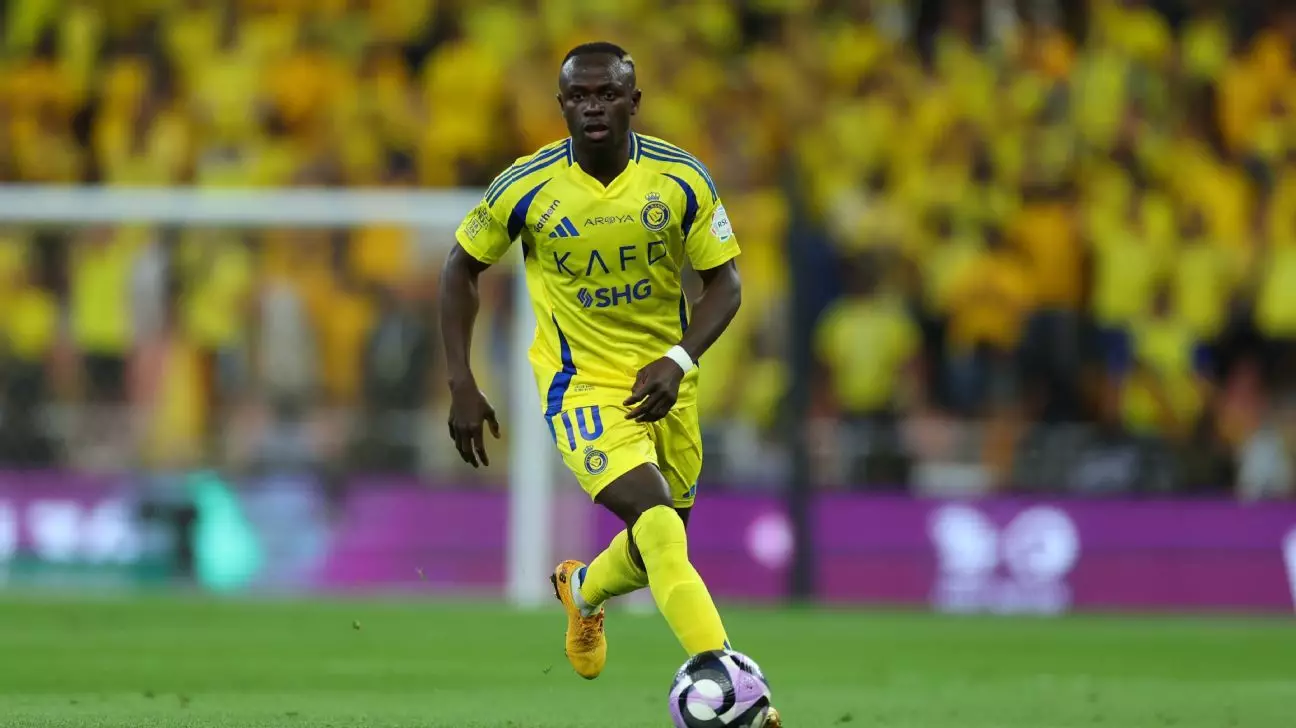
Jürgen Klopp’s candid acceptance of his past regrets has showcased a dimension of leadership that resonates deeply within the realm of professional sports. Rather than hiding behind veils of corporate jargon or evasive responses, Klopp openly expressed remorse for not securing the talents of football luminaries such as Sadio Mané during his tenure at Borussia Dortmund. At a recent celebratory event for the Hout Bay United Football Community (HBUFC) in Cape Town, his admission struck a chord, revealing a multifaceted reflection on the impacts of decisive moments in club management. This transparency is indeed a breath of fresh air in a world often clouded by bravado and posturing.
Missed Opportunities
Reflecting on the glaring missed opportunity to sign Mané, Klopp recognized that his hesitation—rooted in a cautious approach—ultimately bore fruit for Liverpool instead. The irony is striking: a player he once deemed a financial risk went on to become a quintessential figure under his management, racking up an impressive 120 goals in 269 games. It poses a significant question for coaches: When does caution become a hindrance? The stakes of football transfers are immense, and clubs must navigate financial constraints while having the foresight to recognize potential talent. Klopp’s admission underscores the necessity for managers to act decisively, rather than allowing self-doubt to cloud their judgment.
His acknowledgment of his other transfer regret, allowing Son Heung-Min to slip into the hands of Bayer Leverkusen, raises further considerations. Should coaches prioritize personal beliefs about player capabilities over industry pressures or external judgments? It can be easy to dismiss a manager’s decisions as merely reflective of their current context. Still, Klopp’s earnest acceptance of these past missteps illuminates the pressing reality of constant scrutiny and high-stakes decision-making inherent in the world of football.
The Ripple Effects of Decisions
Klopp also juxtaposed his regrets over Mané and Son with the situation involving Kevin de Bruyne, further complicating his reflections. His failure to capture the Belgian master fell victim to Chelsea’s internal maneuvers, driven by a desire to shield one of their assets from rival clubs. The ripple effects of such decisions engulf entire football landscapes, often leading to a cascade of moves and counter-moves. This element of football—the intricate web of rivalries, misfortunes, and fortunes—adds a layer of fascination and tension to the sport that goes beyond the mere results of matches.
Furthermore, the mention of Robert Lewandowski as a key figure in this narrative highlights that decisions made far removed from the spotlight can significantly affect club trajectories. Poor decisions can lead to perpetual underperformance, while fortunate ones have the potential to forge historic successes. It serves as a reminder that football, akin to life itself, is filled with nuances, especially when passions run high.
Rivalries Beyond the Pitch
Klopp’s insights extend into his relationships with fellow managers, particularly his rivalries and nuanced friendships in the highly competitive environment of football. He emphasized that intensity in sports can be misleading, emphasizing the human element in these encounters. His camaraderie with Pep Guardiola, for instance, portrays a deeper respect that transcends competitive hostility. It illustrates that while the rivalry between teams can be fierce, mutual admiration and appreciation among coaches can lead to a more enriching sportsmanship experience.
The complexity of managing these rivalries adds a psychological layer to coaching. It forces managers to walk a fine line between competitive drive and camaraderie, ultimately shaping the fabric of professional football. Klopp’s musings reflect the evolution of sports management, intertwining personal bonds with intense competition in a sport where the margins between victory and defeat can be razor-thin.
Cultivating Community through Football
Lastly, Klopp’s role as a patron for HBUFC illustrates a broader vision for football that encompasses community building. His passion for using football as a resource for positive societal growth is admirable. By fostering football’s unifying power, Klopp moves beyond the confines of coaching and channels his influence into ecological and social initiatives. The idea of resource mobilization through sports is vital, especially in communities looking for uplifting methodologies amid wider societal challenges.
In a world often engulfed by commercial interests and performances, such moments of integrity and foresightedness remind everyone involved in the sport—players, coaches, fans, and communities alike—of the deeper purposes of sport: connection, empowerment, and growth. It is these aspirations that truly illuminate the world of football, resonating far beyond just victories on the field.