
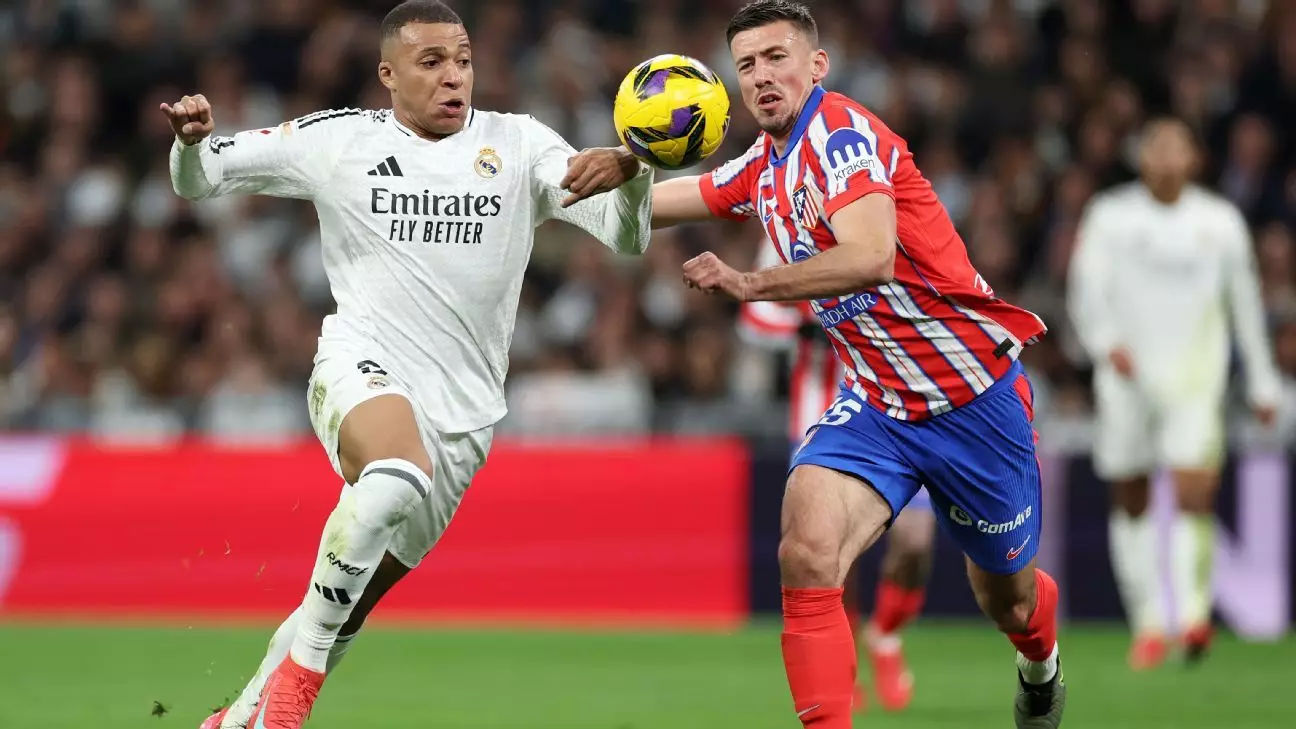
On February 19, at the iconic Santiago Bernabéu Stadium, the atmosphere pulsated with ecstatic energy as Real Madrid triumphed over Manchester City with a scoreline of 3-1. This emphatic victory propelled Madrid into the last 16 of the UEFA Champions League, catapulting their aspirations for European dominance back to the forefront. After a disheartening begin to the competition, which featured losses against Lille, AC Milan, and Liverpool, doubts loomed large. However, this win reminded everyone of Madrid’s storied history and their capacity to rise from adversities, relinking them with their status as legitimate contenders for the Champions League title in 2025.
Central to this resurgence was Kylian Mbappé, whose hat trick not only stole the show but also served as a defining moment in his Madrid career. His arrival in January had been met with skepticism; critics speculated if his presence had disrupted the team’s cohesion rather than enhancing it. However, with a decisive performance against City, Mbappé dispelled those doubts and began to embrace the pressure of expectations, openly speaking about his desire to create a lasting legacy at the club.
Nevertheless, the joy was short-lived as Madrid faced a setback against Real Betis just days later, suffering a 2-1 defeat that was indicative of their ongoing struggles in La Liga. This loss saw rivals Barcelona and Atlético Madrid leapfrog Real in the title race, highlighting the inconsistency that had marred their domestic campaign. With only one win in their last five league fixtures, doubts resurfaced concerning the team’s effectiveness. Key injuries to players like Dani Ceballos and Federico Valverde only exacerbated the situation, forcing Real into a precarious position ahead of their upcoming fixture against arch-rivals Atlético in the Champions League.
Complicating matters, the defense has been stretched thin due to unfortunate injuries suffered by key players, including Dani Carvajal and Éder Militão. With these significant absences, coach Carlo Ancelotti has had to call upon less experienced players, such as Raúl Asencio, who, despite not being a preferred choice at the start of the season, has surprised many with his performances. Asencio’s ability to step in seamlessly during pivotal moments, particularly in the recent win over City, exemplified the depth and resilience of Madrid’s squad.
One cannot overstate the significance of players like Dani Ceballos, who has transformed from a casualty of injuries and inconsistent form into a key cog in the midfield. With the departure of Toni Kroos, it was anticipated that the midfielder would fill a crucial role, a responsibility he has taken on with both determination and skill. Ceballos posted impressive numbers with a staggering 94.5% pass completion rate in La Liga, making him an integral part of Madrid’s play. However, with his recent injury sidelining him for two months, the team will have to pivot yet again, demonstrating their fragility in maintaining squad continuity.
For all the excitement of attacking threats like Mbappé, Vinícius Júnior, and Rodrygo, the midfield’s stability will be critical if Madrid is to navigate through the knockout stages of the Champions League successfully. The absence of key players requires strategic adjustments from Ancelotti, who must carefully select from the likes of Aurélien Tchouaméni and Eduardo Camavinga, balancing defensive responsibility with offensive flair.
As the stage is set for the impending clash against Atlético Madrid, the atmosphere is rife with anticipation and anxiety. Matches between these two sides are often hard-fought displays of intensity and tenacity, typifying the Spanish rivals’ fierce competitive spirit. Ancelotti’s team will need to encapsulate that same fervor for the duration of the match—especially given the looming threat of Diego Simeone’s side, known for their resolute defensive discipline.
Madrid’s ability to showcase resilience on the pitch will be heavily scrutinized. After underwhelming displays in recent domestic outings, the players must rise to the occasion to vanquish their local rivals. The tactical effectiveness of Ancelotti’s game plan could very well be the defining factor in this high-stakes matchup, underscoring the importance of a cohesive display from his squad.
Real Madrid is a club oscillating between brilliance and uncertainties. Their ability to capitalize on individual moments of genius while navigating the pitfalls of injuries and inconsistent league form is essential as they look to solidify their legacy as a dominant force in European football. The upcoming match against Atlético serves as a critical juncture for the team—one that may well dictate whether their ambitions in Europe will be fulfilled or falter once again amid the encroaching doubts and pressures of top-flight football. Whatever unfolds, one thing remains certain: the history of Real Madrid is one of resilience and spirit, qualities they will need to lean on in the challenging matches ahead.