
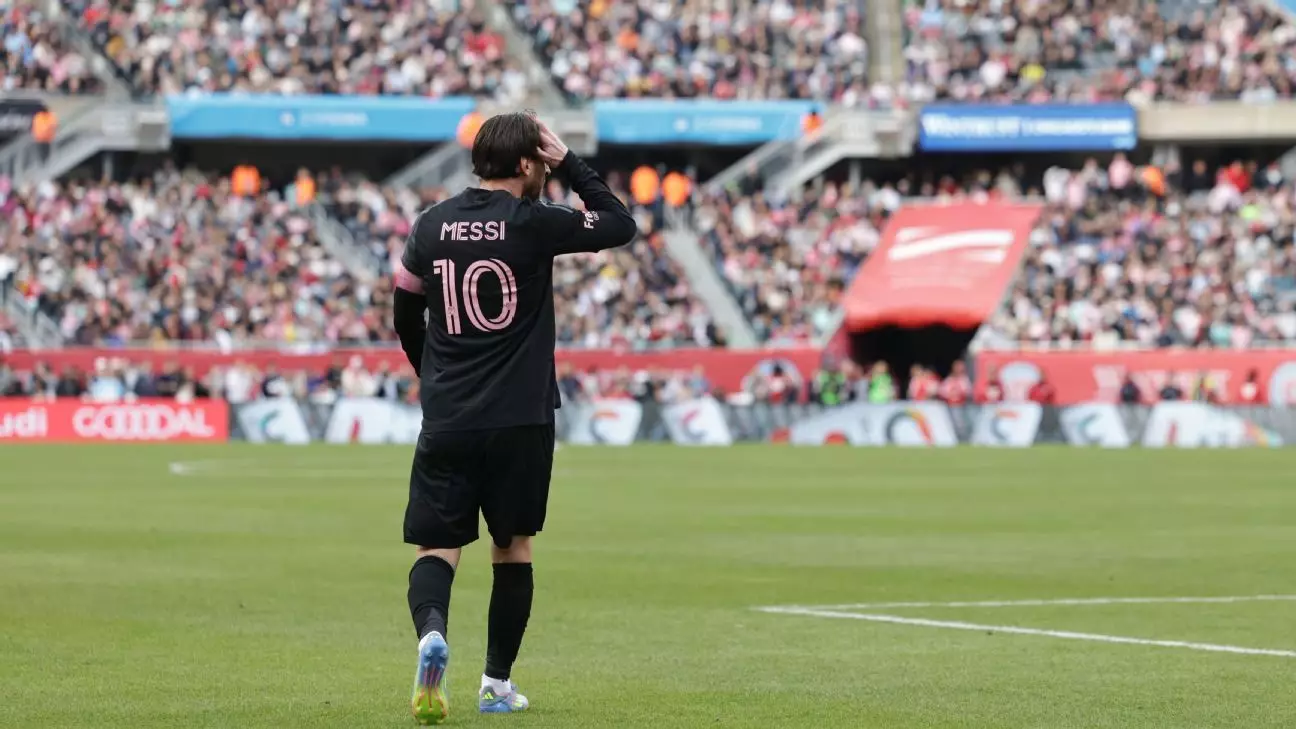
The Chicago Fire FC is set to embark on an exciting journey with the announcement of its plans for a state-of-the-art soccer-specific stadium along the scenic Chicago River. This $650 million venture proposes a 22,000-seat venue that promises not only to elevate the team’s performance but also to reshape the local community, slated to open in the spring of 2028. The project’s ambitious scope doesn’t stop at just the stadium; it seeks to create an entire entertainment district, replete with restaurants, shops, and green spaces, effectively aiming to meld sports with lifestyle in a vibrant urban tapestry.
Community-Centric Development
Club chairman Joe Mansueto articulates a vision that extends far beyond the field. He envisions a sociocultural hub where soccer enthusiasts and residents alike can gather, united by their love for the sport and the community. The development will anchor the upcoming 78th neighborhood, creating thousands of jobs and stimulating economic growth. This endeavor isn’t merely about sports; it promises to offer an infrastructural boost that could redefine Chicago’s landscape. The potential for creating a rich, community-integrated environment is not just commendable—it’s a necessary evolution for teams striving to remain relevant in an increasingly competitive sports market.
A Game-Changer for Fans and Players Alike
The much-anticipated stadium will be tailored exclusively for soccer, featuring a natural grass playing surface designed to enhance gameplay for athletes while providing spectators with an unparalleled matchday experience. It’s a step that recognizes the unique demands of soccer compared to other sports, particularly in a city that has experienced the challenges of sharing venues with other major leagues. With its infrastructure intended to be easily accessible via public transportation, the stadium will encourage greater attendance, making soccer more ingrained in the city’s culture.
An Investment in the Future of Soccer
MLS commissioner Don Garber has asserted the significance of this project, categorizing it as one of the most ambitious endeavors in the league’s history. Garber’s enthusiasm highlights the potential ripple effect this stadium could have—not just for the Fire or its fans, but for the entire soccer landscape in Chicago. With the Fire transitioning from Soldier Field to this custom-designed arena, it signifies an important shift toward prioritizing soccer in a city where it has often played second fiddle to American football and basketball.
Closing the Gap Between Fans and the Team
As this project undertakes the bold task of uniting sports fans and community members, it symbolizes the Fire’s commitment to fostering deeper connections with its supporters. By moving to a venue tailored for their specific needs, the club is adhering to a growing trend across Major League Soccer where teams are increasingly viewed as integral to their neighborhoods. This redefined relationship not only enhances the team’s brand but paves the way for a richer, more engaged fan experience—one where every match can become a communal celebration, enlivening the spirit of soccer in the heart of Chicago.