
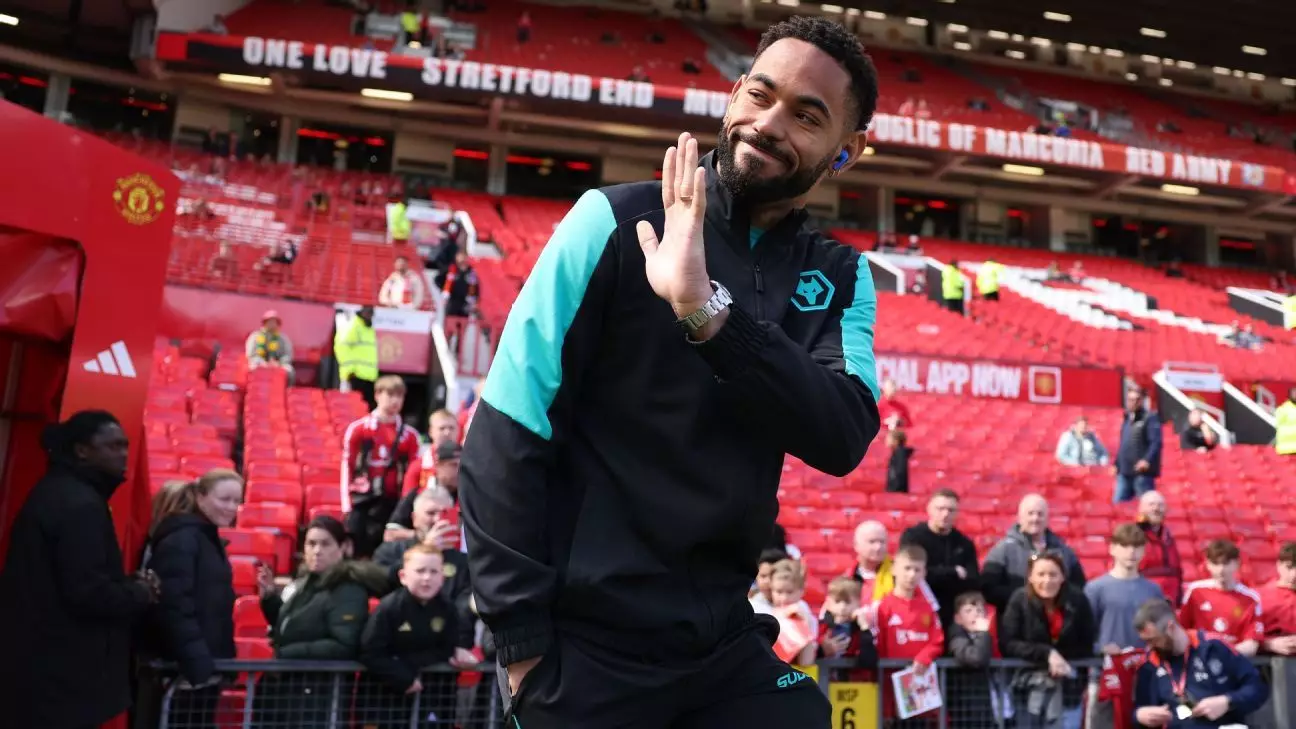
As Premier League clubs navigated the January transfer window, an intriguing narrative unfolded: a staggering £370 million was funneled into new acquisitions, a dramatic increase from the previous year’s more modest £100 million outlay. Despite this surge, it remains a fraction of the 2023 record of £815 million, perhaps indicating a cautious approach by clubs amid an evolving footballing landscape. Manchester City, undeniably the standout player in this window, accounted for a whopping £180 million of that total, underscoring their commitment to strengthening an already formidable team. However, questions arise: Does this increase signal a precursor to an even more extravagant summer market, or is it merely an exception driven by specific clubs’ ambitions?
Introducing a Split Transfer Window: Challenges Ahead
For the first time in history, the summer transfer window will open in two separate phases, prompted by the upcoming Club World Cup. The initial phase will run from June 1 to June 10, take a brief intermission of six days, and then resume on June 16. This unusual structure raises logistical challenges for clubs aiming to bolster their squads. Furthermore, international transfers not involving clubs in the Club World Cup will not commence until July 1, complicating the market dynamics. Such adjustments could impact strategic planning for clubs, particularly for those looking to overhaul their rosters in preparation for the new season.
Assessing the Major Transfers
The latest transfer window has brought some pivotal moves, prompting significant reactions across the football community. Starting with Wolves, who landed Matheus Cunha for £44 million, his evolution from a player with inconsistent output to a prolific scorer—contributing 19 and 21 goals in the last two seasons—has transformed expectations. Under the guidance of manager Rúben Amorim, Cunha is positioned to be a central figure in a well-structured offense, showcasing his readiness to embrace responsibility in critical moments.
In contrast, Real Madrid’s swift acquisition of Dean Huijsen from AFC Bournemouth for £50 million appeared tactical. Having solidified his name during a breakout season, Huijsen’s dual-footed skillset and slaloming ability have drawn comparisons to a young Gerard Piqué. While Bournemouth may have envisioned a long-term connection, the premature transfer to Los Blancos suggests the club’s ambition outweighed any intent to stall Huijsen’s progression.
Analyzing the Impact of Player Movements
Chelsea’s strategic acquisitions, notably incorporating both Essugo and Geovany Quenda, have sparked intrigue as they look to reshape their squad for the future. Although Essugo may not carry the initial hype, his defensive tenacity coupled with Quenda’s youthful exuberance gives Chelsea a solid foundation. The loan spell to Las Palmas has enabled Essugo to hone his craft, suggesting Chelsea has struck a clever deal that benefits both the player and the club.
As Liverpool navigates the transitional waters, the shrewd signing of Jeremie Frimpong to replace Trent Alexander-Arnold showcases a calculated risk. Frimpong’s emergence more in a wing position than a traditional right-back may require adjustments, but Liverpool’s intent to diversify their tactical approach is commendable. Similarly, signing Mamardashvili represents more than just a goalkeeper transfer; it may reflect a shift in Liverpool’s philosophy by investing in young talent with immense potential.
Mixed Reviews on Big Moves
While many transfers are celebrated, others have raised eyebrows. Bayern Munich’s acquisition of Mahmoud Tah from Bayer Leverkusen suggests they are seeking to plug defensive gaps. If Bayern can extract the best performances from Tah, who thrived in a specific role during his time at Leverkusen, they may indeed have landed a valuable asset. Yet, the hefty wages and signing-on fees associated with Tah position this move as a high-stakes gamble.
Conversely, the transfer of Eric Dier from Tottenham Hotspur to Monaco has triggered skepticism among analysts. Critics queried Dier’s readiness to adapt further down the hierarchy after not fitting into manager Ange Postecoglou’s plans. However, his experience will be crucial in a relatively young Monaco squad. As clubs strive to find the right balance of youth and experience, this move may prove to be more strategic than first anticipated.
A Market Primed for Innovation
The surge of activity in this January window, while not unprecedented in total spending, reflects a broader trend towards strategic investments and calculated risks amid the turbulent economic climate of football. Clubs are increasingly aware of the financial ramifications and potential rewards that come with navigating the transfer market cautiously.
In this ever-evolving environment, the Premier League continues to lead the charge, showcasing not just a surge in financial commitment but also a yearning for innovation in player development and deployment. As the summer window approaches, all eyes will be on how these new transfers perform on the field, wielding the potential to reshape team dynamics and league standings for the seasons to come.