
The football transfer market has a unique rhythm, punctuated by a cacophony of rumors, negotiations, and strategic maneuvers. This period of excitement invites speculation on which players may transition between clubs, the financial aspects of their moves, and how such decisions impact their careers. With elite clubs like Chelsea, Manchester United, and Paris Saint-Germain in focus, the current landscape is replete with players poised for significant career changes. This article will dissect the latest rumors, speculating on their implications in the context of modern football.
Chelsea’s Strategic Acquisition Goals
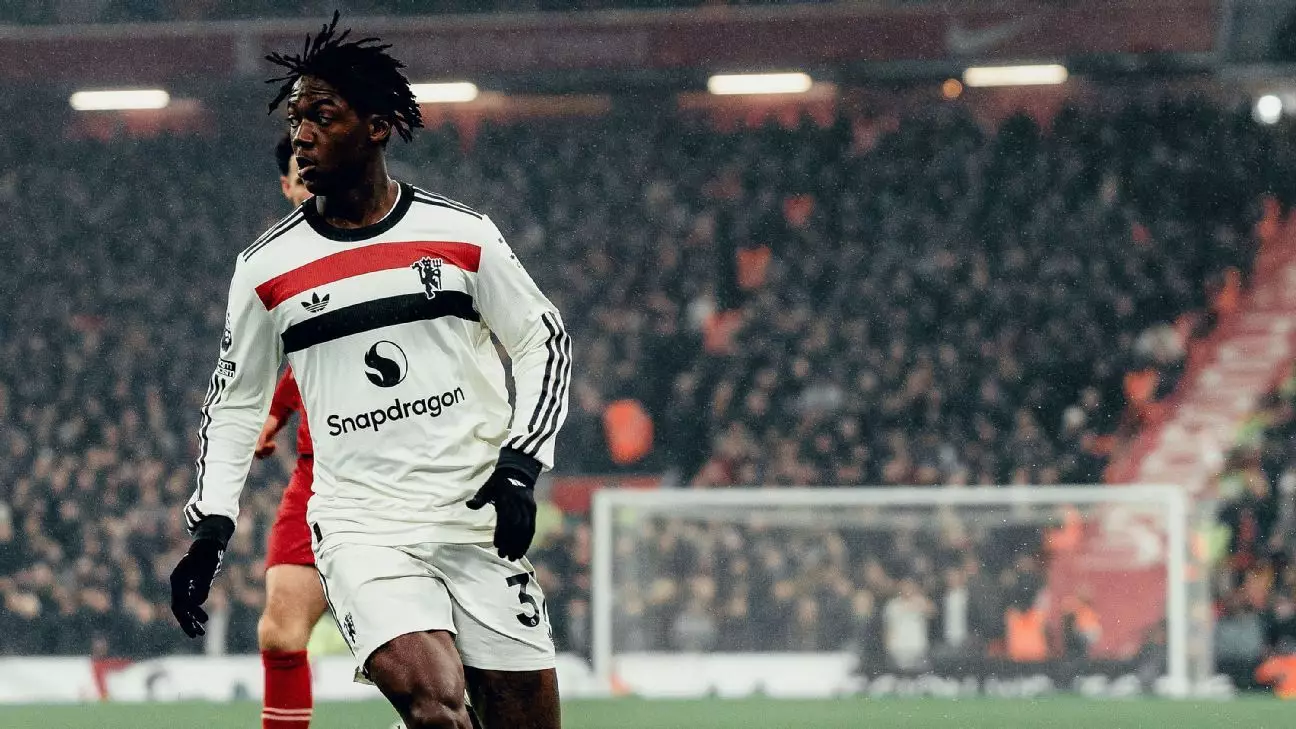
As Chelsea embarks on yet another rebuilding phase, reports indicate their keen interest in several players, notably Manchester United’s Kobbie Mainoo. The young midfielder, whose beginnings at Old Trafford garnered widespread admiration, found himself sidelined amid United’s challenges last season. At just 20 years of age, Mainoo’s potential is evident; nevertheless, his trajectory may hinge on the fate of established players like Bruno Fernandes, who has been linked to lucrative offers from the Saudi Pro League. This scenario illustrates how player dynamics can dictate transfer outcomes—Mainoo’s value skyrockets, tethered to the decisions of his more senior teammates.
In conjunction with the quest for Mainoo, Chelsea’s pursuit of Jarrad Branthwaite, the Everton center-back, presents a fascinating case. The former has drawn attention from several Premier League giants, with Everton reportedly demanding a hefty transfer fee. While Branthwaite’s ambition to play Champions League football aligns with Chelsea’s aspirations, the feasibility of such a high-profile move rests on financial negotiations and strategic positioning of various clubs in the market. As prices in the current transfer landscape soar, clubs must navigate a delicate balance between expenditure and sustainable growth—a challenge that continues to plague the football elite.
PSG’s Young Talent Acquisition Strategy
On another front, Paris Saint-Germain is aggressively pursuing River Plate’s Franco Mastantuono. At just 17, Mastantuono is categorized amongst the brightest young talents emerging from South America. His purported €40 million release clause not only reflects his talent but also signifies the increasing investment in youth players by top-tier clubs. PSG, once entrenched in controversy for their extravagant signings, appear to be shifting towards more strategic acquisitions that align with both player potential and market sustainability.
Mastantuono’s journey highlights the compelling narrative of young athletes emerging from highly competitive environments. Though Real Madrid previously held the upper hand in negotiations, PSG’s proactive approach underscores a paradigm shift among elite European clubs. Investing in young talents is now paramount, as demonstrated by PSG’s keen tactical sense—this reflects their ambition to secure future stars while rejuvenating their squad’s age profile.
Implications for Established Stars
The impending future of football’s superstars like Cristiano Ronaldo and Son Heung-Min further adds layers to this intricate web. Ronaldo’s cryptic posts about his future, coupled with interest from various clubs in the Saudi Pro League, denotes a pivotal moment in his illustrious career. On one hand, a move to Al Hilal could magnify his status in a rapidly growing league; on the other, sticking to Al Nassr preserves his legacy within the realm of the Saudi football establishment.
Meanwhile, Son Heung-Min is at the crossroads of a different narrative. His potential move to a Saudi club reflects not just financial motivations but also the allure of promoting international growth in the league. However, the dilemma of loyalty against financial gain echoes the broader reality affecting many footballers today. Clubs are eager to enhance their global appeal, and players like Son become vital assets in this pursuit—not merely for their skills, but for the brand identity they bring.
Market Dynamics and Financial Constraints
As the summer transfer window approaches, clubs are not just vying for talent but also grappling with the repercussions of financial regulations, such as the Premier League’s profit and sustainability requirements. The relentless pursuit of talent is thwarted by the need for fiscal responsibility, provoking fierce competition for each signature and elevating the complexities of negotiations. This intertwining of ambition and financial prudence is emblematic of the shifting landscape of football management.
The cases of players such as Liverpool’s record-setting attempts at signing Florian Wirtz and Chelsea’s bid for Liam Delap serve as testaments to the heightened stakes involved in contemporary transfers. The scenario has evolved beyond merely filling a roster to an essential strategic endeavor, where meticulously calculated investments can yield long-term dividends.
In a world where football and commerce are inextricably linked, the trends unfolding among emerging talents and established stars signal a revitalization of the transfer market, reshaping the essence of competitive football as we know it. It is a transformative time that hints at a future where strategic acquisitions and nurturing youth talents will define the path to success in this beautiful game.