
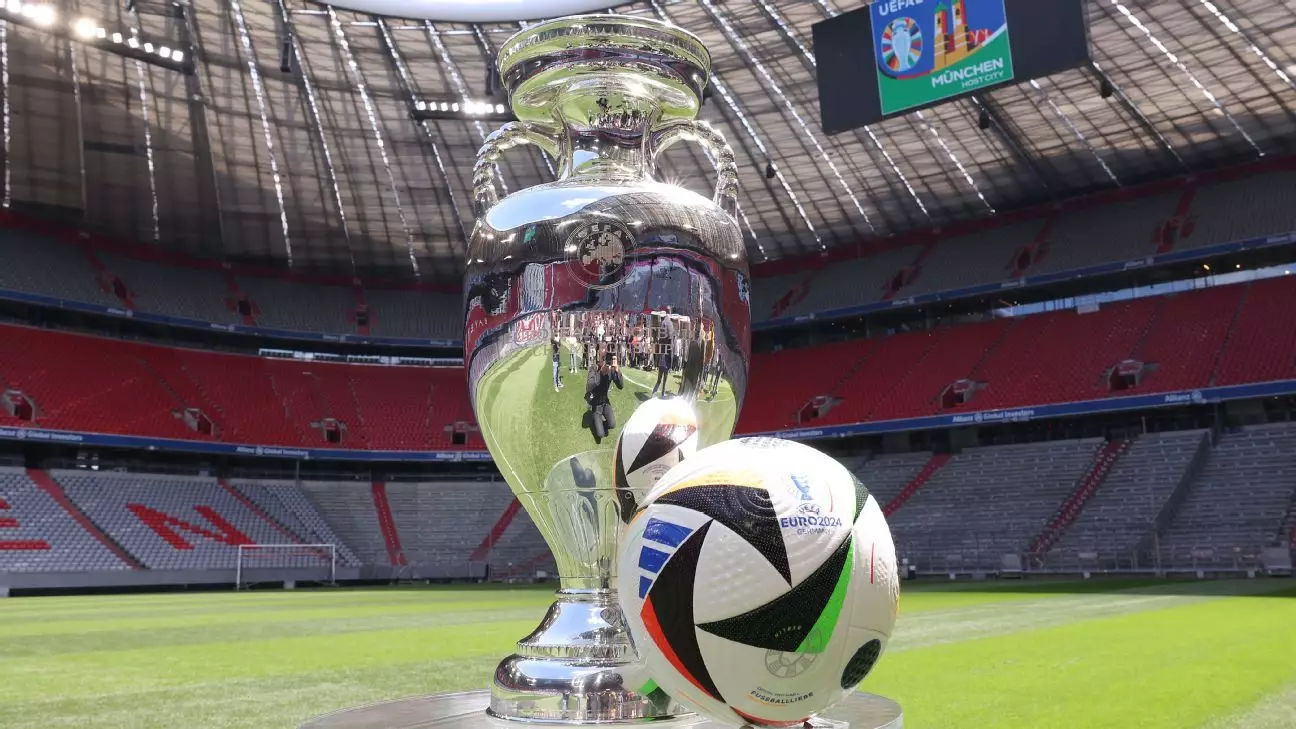
The recent announcement by UEFA regarding the qualification process for the Euro 2028 is nothing short of revolutionary. For the first time, co-host nations England, Republic of Ireland, Scotland, and Wales will not secure automatic berths to the finals, marking a significant departure from the established norm. Historically, host nations have enjoyed the privilege of automatic qualification, fostering national pride and allowing fans to rally behind their teams during the tournament. This new policy introduces a more competitive edge, encouraging teams to earn their spot through rigorous qualifying matches. However, it also raises questions about the fairness of the system and the message conveyed about hosting responsibilities.
UEFA’s decision to implement a qualifying process where the best-ranked host nations are granted reserved spots, provided they do not qualify through traditional means, is intended to balance the competitive integrity of the tournament. Yet, it could also lead to a scenario where nations accustomed to almost guaranteed entries must now confront the stark reality of intense competition and potential elimination.
Implications for National Teams
The implications of this change for the four co-hosts are profound. England, fresh off their impressive runner-up finish at Euro 2024, may feel less threatened by this announcement due to their strong squad and consistent performance in international competitions. Conversely, both Wales and the Republic of Ireland, having missed the opportunity to qualify for the previous Euro, face an uphill battle to regain their footing in European football. Scotland, too, is on a rocky road, having not advanced beyond the group stage in recent tournaments.
Each of these nations now faces the dual challenge of not only competing against fellow qualified teams but also navigating the complexities of a rigorous qualifying phase. The potential to secure one of the reserved spots acts as a lifeline but places additional pressure on their respective federations to strengthen their squads and sharpen their tactics.
Playoff Mechanism Adds a Layer of Drama
One of the more intriguing elements of this new qualification structure is the playoff mechanism, which promises an electrifying climax to the qualification process. Should all reserved spots be used, European football will see an added layer of excitement as teams battle through single-leg semifinals and finals to claim their place in the tournament. It brings an element of unpredictability, something that could energize fan bases and ensure that every qualifying match carries significant weight.
This playoff system resembles the high stakes that teams face in knockout rounds, enhancing the drama for supporters and adding a thrilling atmosphere to an already charged competitive landscape. It serves to spotlight the rising talent from lesser-known footballing nations who, despite being underdogs, can seize an incredible opportunity to shine on one of football’s grandest stages.
The Future of Euro 2028
As Euro 2028 approaches, with its venues spread across the UK and Ireland, the stage is set for a tournament that encapsulates both tradition and transformation. While greater competition through a refining qualification process can revitalize national teams and foster a renewed sense of ambition, it is crucial for UEFA to handle these changes with sensitivity. Striking a balance between competitive integrity and the spirit of hosting is essential to ensure that the tournament is not only a celebration of football but also a representation of the host nations’ rich footballing histories. This is an opportunity for growth, resilience, and ultimately, a much more engaging Euro 2028.