
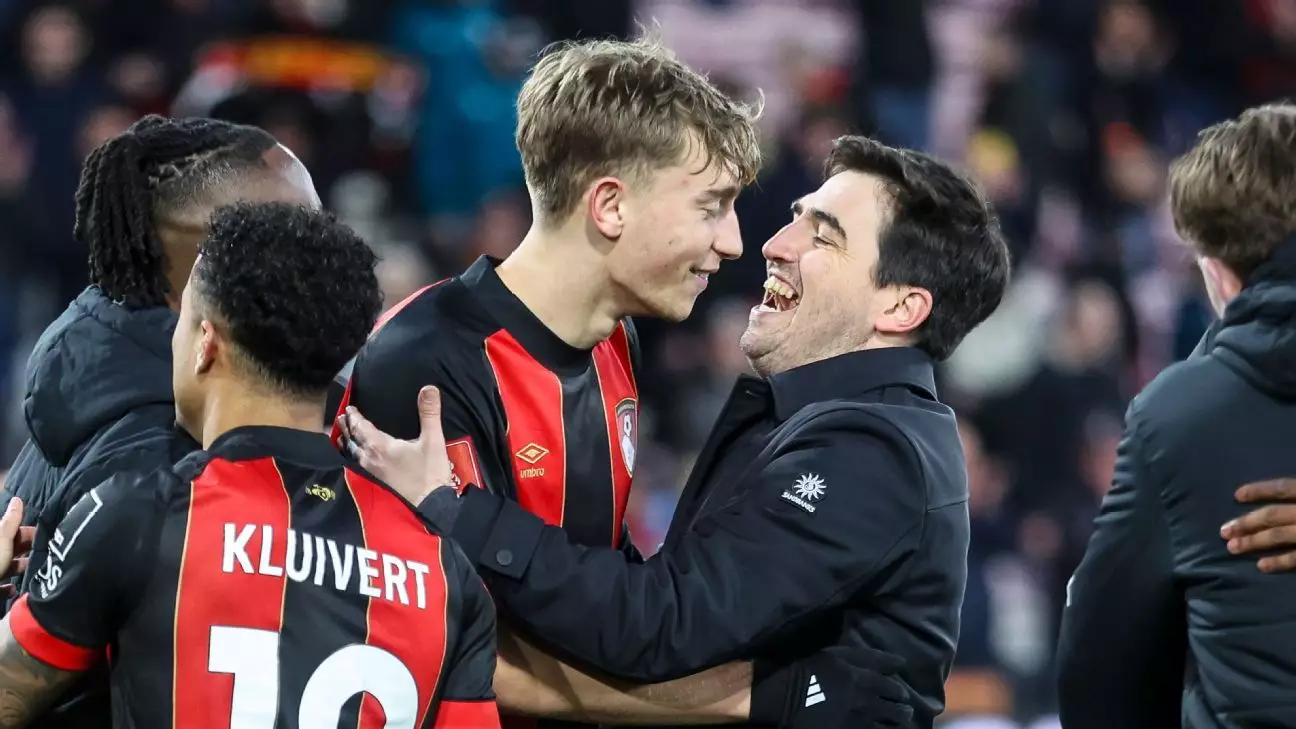
The notion of categorizing young football talent is laden with complications in the English Premier League. The PFA Young Player of the Year award, which aims to honor the best young talents, operates within an outdated framework. Currently, to be eligible, players must not exceed the age of 21 at the beginning of their respective seasons. Consequently, icons like Bukayo Saka and Phil Foden have dominated these awards long after they’ve established themselves as household names. While some integers have evolved since a 24-year-old James Milner controversially received the award in 2010, the core concepts remain deeply flawed.
Now compare this to the Premier League’s young player award, which somewhat liberally extends eligibility to players up to 23 years of age. Just recently, we saw Erling Haaland — more accomplished than most — take home the accolade as a 22-year-old. Awards intended to celebrate emerging talent now inadvertently reward early bloomers who have already realized their full potential. It’s high time to shift our perspective and create a more nuanced category that genuinely represents players at the onset of their careers.
Adopting a ‘Rookie’ Framework
Inspired by sports leagues like the NBA, the concept of instituting a “Rookie of the Year” award within the Premier League seems increasingly relevant. This would define rookie eligibility as any player who is playing their first full Premier League season and started the league as a teenager (19 years old or younger). The goal is not just to celebrate established young stars but to shine a light on those who are just beginning to carve their paths in the sport. This inaugural category would provide an invaluable acknowledgment for talent like 17-year-old Ashley Dibling, who displayed remarkable talent but had to battle against an overall struggling team.
In light of this redirect, players like Kobbie Mainoo of Manchester United and Lewis Hall from Newcastle would be excluded — not due to their talent but because they have transitioned beyond their rookie phases, having played in prior league seasons. The intention behind the Rookie of the Year award is clear: to recognize and celebrate genuine newcomers — those who merit attention for both their potential and their current contributions.
Promising Candidates for the Inaugural Award
Among the rising stars that stand out in this enhanced framework is Tommy Scarles, a defender for West Ham. Capitalizing on an injury-plagued lineup, Scarles has seamlessly blended into the team, logging impressive performances. Notably, his match against Arsenal showcased his defensive acumen, where he executed four tackles and seven interceptions, a testament to his readiness to rise to the occasion in critical moments.
Similarly, Dorgu’s journey to brilliance is worth noting. The young defender who arrived from Lecce for a significant £25 million took to his responsibilities with unexpected ease despite joining a team grappling with form. He’s showcased promising potential that signals his importance to the club’s future. His adaptability and physical attributes could redefine defensive play at Manchester United, the type of player that fans have been keen to rally behind as their team charges forward.
Another noteworthy mention is Yoro, a summer acquisition from Lille. Injuries have marred his campaign, but the resilience displayed by playing nearly 2,000 minutes stands testament to his determination. His ability to engage in both defensive duels and creative build-up play lend his profile considerable promise for his coach and fans alike.
The Emergence of Exciting New Talents
On the fringes of becoming influential figures are academy graduates like Gray and Nwaneri. Gray, who was thought to have been overshadowed by more established players, has effectively risen through challenging circumstances, gaining experience that most young professionals can only aspire to. His versatility across multiple positions shows an intellectual and adaptive football mind, one that may well pay dividends as he rounds into a future leader.
Nwaneri, who broke records as the youngest player to compete in the league at just 15, is no longer merely a curiosity but an active contributor. Under the guidance of Mikel Arteta, he has expanded his impact while filling gaps due to injuries in the squad. His knack for scoring goals and creating assists showcases a burgeoning star that fans should take seriously.
The depth of talent within the Premier League has never been more promising, yet the framework for recognition has not evolved at the pace of this talent surge. Players like Myles Lewis-Skelly and others demonstrate the potential for a new generation that can captivate fans. Each of these promising athletes represents a future where not only their skills but also their narratives contribute to the ongoing story of the league.
The Future of Young Talent Acknowledgment
In evolving the Young Player of the Year award into a “Rookie of the Year” title, the Premier League has an opportunity to genuinely honor burgeoning talents who deserve recognition. This seismic shift in acknowledgment would better reflect the realities of modern football, allowing us to celebrate those who are entering their professional lives with vigor, adaptability, and immense talent. Rather than relying on outdated age criteria, we can cultivate a culture that champions true rookies — those who embody the spirit of new beginnings on the grand stages of English football.