
In an age of high-stakes football transfers, the influence of release clauses in player contracts has never been more pronounced. Former Manchester United executive Ed Woodward famously advocated for their inclusion, believing they streamlined negotiations and made recruitment tasks less cumbersome. For him, a transfer target like Antoine Griezmann, with a predefined €100 million release clause, represented the ideal scenario. It crystalized the financial expectations for all parties involved—the clubs and the player alike—reducing potential complications. However, despite the allure, Woodward’s ambitions of signing Griezmann in 2017 faded as manager José Mourinho prioritized different squad enhancements, leaving a lingering sense of what could have been.
Fast forward to the present day, and while Woodward’s era at United is behind us, the philosophy surrounding release clauses remains relevant. The imminent signing of Matheus Cunha from Wolverhampton Wanderers reaffirms that this approach can simplify negotiations, as his signing was made possible through a £62.5 million release clause. Such straightforward dealings can spark hope that Manchester United has finally begun to embrace a more methodical approach to recruitment.
New Leadership, New Strategies
Under new leadership, notably CEO Omar Berrada and director of football negotiations Matt Hargreaves, the transfer strategy appears markedly distinct from the reckless spending that characterized much of the previous era. Last season saw United acquire Cunha after bypassing lengthy negotiations by activating his release clause. The rapidity with which the agreement was reached—announced on June 1, just as international clubs navigate transfer windows—demonstrates a newfound efficiency in their approach.
This shift comes on the heels of past mistakes and instances of overspending, as seen with the acquisitions of Casemiro and Antony, each bought under duress during a frantic transfer window. Such overexpenditure was borne from a climate of panic within the club, driven largely by the urgent need to deliver immediate results for manager Erik ten Hag. Ultimately, these costly signings are now perceived internally as regrettable decisions, highlighting the perils of impulsive spending.
The “United Tax” Phenomenon
Historical context plays a significant role in understanding Manchester United’s transfer dilemmas. Woodward often described the so-called “United tax,” a phenomenon where clubs inflate prices for players when Manchester United comes knocking, leveraging the club’s storied reputation and financial muscle to demand higher fees. When teams believe that a player joining United carries added prestige, it introduces a layer of complexity, making negotiations not just about player value but about market perception and club stature. This pattern isn’t exclusive to United; Newcastle United now grapples with what they dub the “Saudi tax,” illustrating how various perceived “wealth cancer” influences the market.
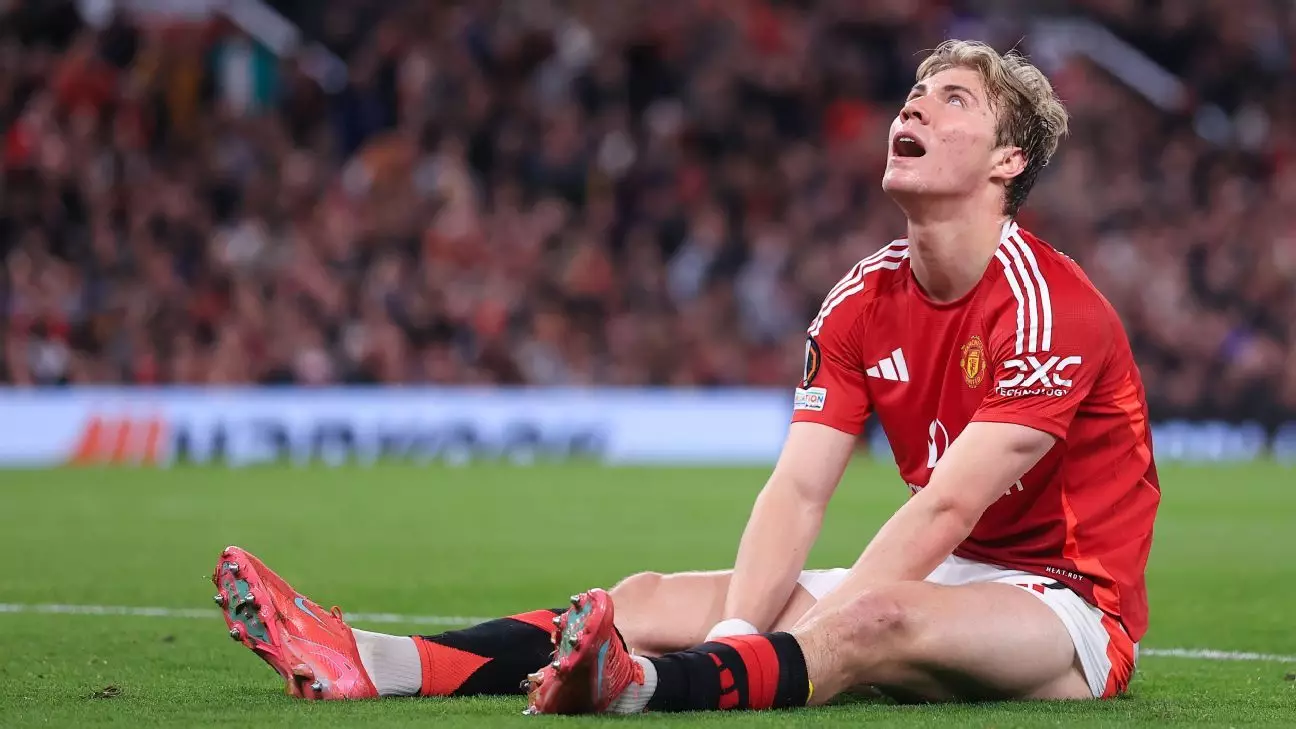
Discussions around inflated valuations become particularly pertinent in the current financial landscape of football. Players like Rasmus Hojlund, purchased for an excessive fee that has yet to yield proportional performance, represent a tangible cautionary tale of misjudged valuations. Here we see a classic example of speculation leading to inflated expectations—a cycle that Manchester United must remain vigilant against.
Financial Prudence Amidst Ambition
As Manchester United approaches the ongoing summer transfer window, there is a palpable shift towards a more disciplined, calculated financial strategy. The club management aims to meticulously analyze player valuations before proceeding with signings. For instance, names like Bryan Mbeumo from Brentford are on the radar, but any potential pursuit remains contingent upon adherence to a predetermined price point set by Berrada. This reiterates a commitment to responsible spending—an ethos that should serve the club better in an era where financial sustainability is paramount.
The pressure to correct the course following five decades of mediocre performances intensifies the urgency for astute transfer choices. Berrada, Hargreaves, and the footballing hierarchy are acutely aware that an ability to build a cohesive, competitive squad is essential for restoring Manchester United’s former glory. Their tactful navigation of the transfer market could be the key to galvanizing fan support and recapturing top-tier talent, all while managing to sidestep the financial pitfalls that have plagued previous regimes.
The stakes are undeniably high. Manchester United’s history has grafted a legacy rich in success, but the road back to the summit of English football is fraught with challenges. Adopting a strategic and disciplined approach might just lay the foundation for a new era—one where the club can build not only for the present but also for future triumphs.