
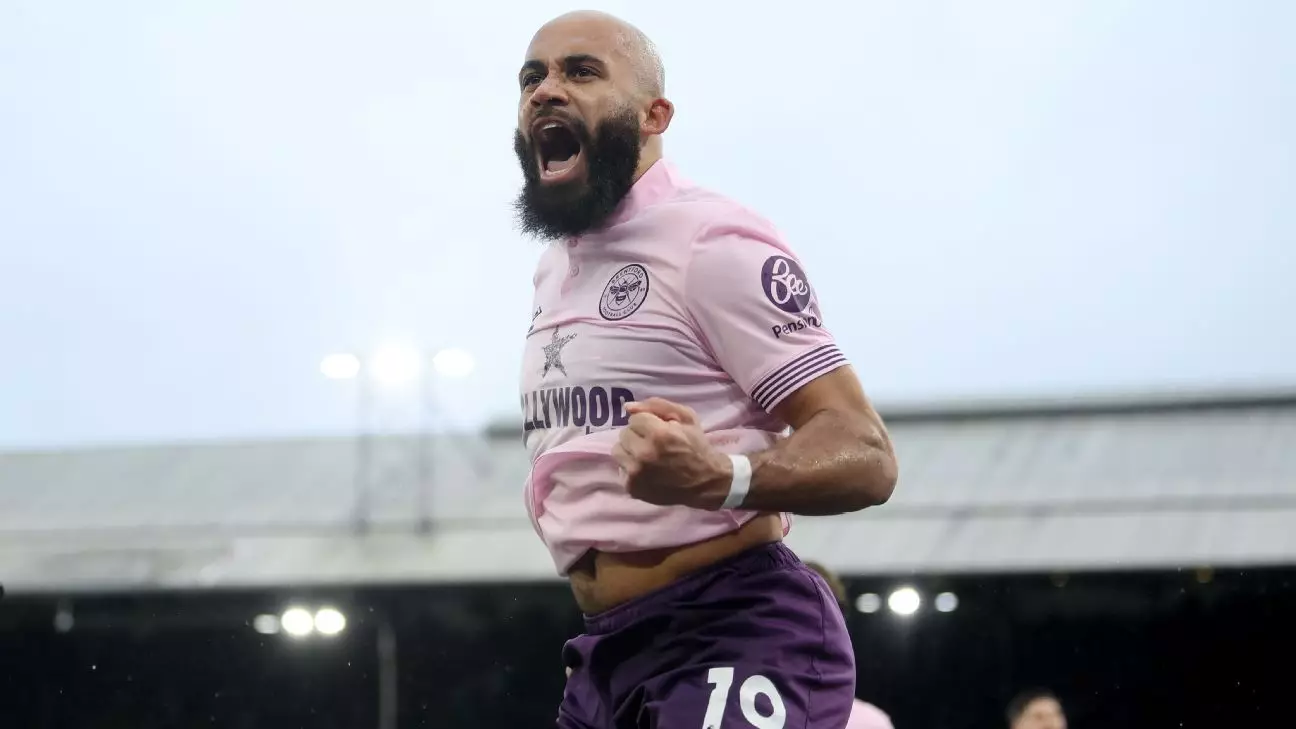
In the high-stakes transfer market of football, few stories are as riveting as Manchester United’s renewed interest in Brentford winger Bryan Mbeumo. Sources close to the matter reveal that United is prepared to significantly escalate their bid, proposing an amount that exceeds £60 million, with an eye towards meeting Brentford’s valuation of approximately £65 million. This aggressive approach highlights a clear ambition from the Premier League giants to strengthen their roster despite a looming absence from European competition.
Manchester United’s renewed offer is not merely a financial maneuver but a signal of their intent. The negotiations have been prolonged, yet recent developments suggest United is ramping up efforts to finalize this crucial acquisition—especially as Mbeumo himself is reportedly eager to don the iconic red jersey at Old Trafford. His desire to join a club with such rich history, even in the face of a bleak European season, speaks volumes about the lure of Manchester United and the stature they still hold in world football. However, it also raises questions about whether the club can effectively sell itself in the current landscape, where many players prioritize immediate success and continental exposure.
Challenges Ahead: Competition from Spurs
Manchester United is not the sole contender for Mbeumo’s signature; Tottenham Hotspur has entered the fray following their managerial change, further complicating United’s pursuit. The appointment of Thomas Frank as Ange Postecoglou’s successor only adds complexity to this unfolding saga. Spurs’ interest intensifies the pressure on United, forcing them to not only negotiate with Brentford but also keep a close eye on their North London rivals. The threat of losing out to Tottenham could potentially drive United to hasten negotiations, making astute decisions about both player value and payment structure.
The significance of Mbeumo’s departure from Brentford is compounded by the narrative of talent lost. As one of the standout performers in the league, his potential exodus represents a broader issue facing clubs like Brentford—how to retain extraordinary talents while contending with clubs that operate on a different financial scale. For players like Mbeumo, the decision to transition from a mid-table club to a footballing institution is undeniably attractive, yet it raises essential questions about loyalty in an increasingly monetized sport.
Exploring Alternatives: The Nkunku Dilemma
As Manchester United maneuvers through the complexities of the transfer market, the club’s potential interest in French striker Christopher Nkunku signals a broader strategy to bolster their offensive options. The former RB Leipzig star symbolizes both a risk and an opportunity for United. After struggling with form and consistency at Chelsea, Nkunku stands at a crossroads in his career, seeking redemption and game time elsewhere.
The desire to bring Nkunku back into the fold underscores United’s ongoing quest for a clinical striker. While Nkunku has underperformed in the Premier League, the club’s previous intrigue in the player reflects a belief that he can rediscover his best form. Nonetheless, questions linger about whether Manchester United can afford a misstep in their recruitment strategy again. The competition is fierce, and with aspirations to return to the top tier of European football, the club needs to make every signing count as they navigate a pivotal summer window.
Football is unpredictable, but one thing is certain: Manchester United’s strategic moves this transfer window will shape the narrative of their coming season significantly. How these negotiations unfold may determine their trajectory for years to come.