
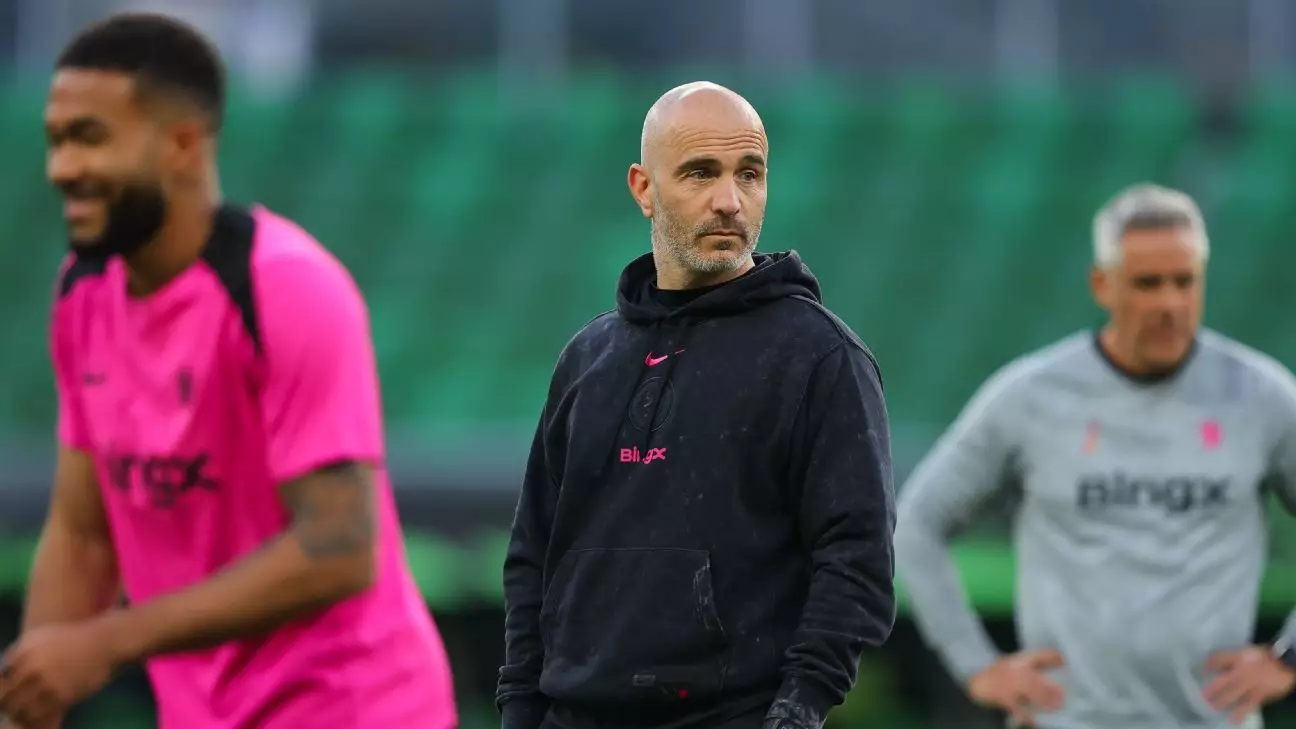
In the high-stakes environment of top-tier football, clubs are often ensnared in a web of financial scrutiny and performance pressure. Chelsea FC, under the ownership of Todd Boehly and ClearLake Capital, appears to be rewriting the narrative. With a €130 million prize awaiting the winner of the Club World Cup, there is an expectation that financial motivations would heavily influence team performance. However, Enzo Maresca, Chelsea’s first-team coach, insists that the club is not succumbing to that pressure, revealing a more profound commitment to sporting integrity. In an industry where financial motivations lurk behind every decision, it’s refreshing to see a focus on sporting achievement rather than just monetary gain.
Financial Maneuvering or Strategic Vision?
Chelsea’s financial strategies have raised eyebrows, especially with recent managerial decisions that have involved significant sales of club assets. The sale of the Copthorne and Millennium hotels for £76.5 million to a sister entity has sparked controversy, yet it has been deemed compliant under Premier League regulations. Furthermore, the women’s team was sold for a record £200 million, creating ripples in the women’s football landscape. While such maneuvers might aim to create a more beneficial financial underpinning, they also expose the precarious balance between compliance and profitability in modern football. UEFA’s investigation into these transactions highlights a deeper question about the sustainability of such financial engineering under the guise of sporting ambition.
Investment in Talent Over Returns
Despite their controversial financial strategies, Chelsea has doubled down on their commitment to acquiring talent. An investment of over £1.2 billion in new players since May 2022 speaks volumes about the aspirations of the club. However, it raises concerns about the long-term implications of such lavish spending. While financial healthy returns are essential, the focus must also be directed toward developing talent and building a cohesive team. The pressure to win at high-stakes tournaments like the Club World Cup could prompt rash decisions in recruitment and gameplay if left unchecked.
A Culture of Success Beyond Dollars
Maresca expresses a compelling philosophy among the club’s hierarchy—a desire for victory that transcends financial rewards. The ownership’s intention is clearly aligned with fostering a culture of success that reflects the club’s storied history and dedication to its fans. Such an approach can act as a balm to the rampant commercialization of football today, suggesting that there exists a sanctuary where love for the game prevails. Ensuring that the players, the club, and the passionate supporters feel valued beyond rigid monetary structures is essential for cultural and sporting longevity.
The Human Element Amidst the Heat
As the Blues gear up to face Esperance de Tunis in Philadelphia, other nuances come into play. The physical and mental well-being of players, highlighted by Reece James’ absence from training due to illness in extreme temperatures, underscores the challenges they face. The rigors of competition, especially in adverse conditions, demand a balanced approach to player health and performance. Chelsea’s commitment to winning is commendable, but it should never supersede the welfare of its athletes. Balancing ambition with empathy remains crucial in achieving not just victory but respect and sustainability in the beautiful game.