
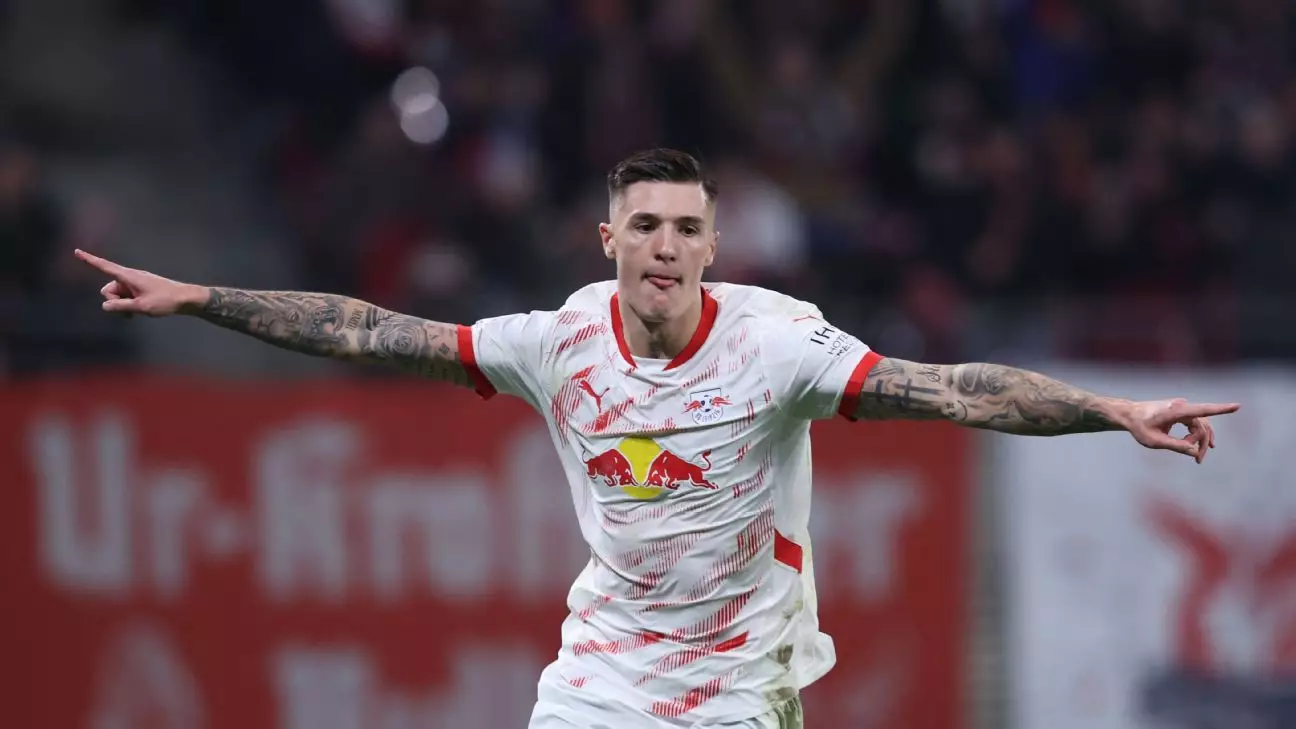
The ongoing transfer saga surrounding Benjamin Sesko exemplifies the intense competition among top-tier European clubs vying for emerging talent. As Manchester United and Newcastle United both express interest, the stakes extend beyond mere financial bids; they reflect each club’s strategic ambitions and vision for the future. For Leipzig, prized for nurturing young prospects like Sesko, the decision to entertain offers reveals a complex calculus involving future squad planning, financial reinforcements, and long-term development strategies.
United’s approach indicates a cautious yet determined stance. While their resources—bolstered by recent player deals and clauses—enable a competitive bid, their reluctance to escalate into a bidding war reveals a calculated risk management strategy. They aim to acquire Sesko without overextending their budget, aware that inflation in transfer fees can destabilize other team plans. Newcastle, on the other hand, has demonstrated aggressive intent, offering a substantial sum in hopes of outmaneuvering their rivals. This battle is emblematic of a broader trend: Premier League clubs are increasingly using financial muscle to attract promising talents, yet they must balance this with financial fair play considerations and squad cohesion.
The implications for Sesko are equally significant. His exclusion from Leipzig’s recent friendly hints at the uncertainty looming over his future, and his decision-making process will be critical. Will he see Manchester United’s historic stature and potential for European success as more enticing, or does Newcastle’s ambitious project, coupled with their growing influence, appeal more? The outcome could shape not only his career but also the attacking fortunes of his new club—should he make the move.
The Ripple Effect: Transfer Battles and Future Strategizing in the Premier League

The outcome of Sesko’s transfer could have lasting repercussions on the Premier League’s competitive landscape. Newcastle’s pursuit of him isn’t insular; it’s part of a broader strategy to bolster their attacking options and challenge established giants like Liverpool, whose recent massive bid for Alexander Isak underscores their intent to dominate the forward line. The Swede’s potential departure from Newcastle would mark a significant shift, forcing Eddie Howe’s squad to adjust their attacking philosophy and financial plans.
If Newcastle succeeds in persuading Sesko, the club’s offensive power could see a dramatic uplift given his impressive stat line and scoring rate for Leipzig. Yet, the rejection of a record-breaking bid for Isak also suggests Newcastle’s strategic focus on maintaining stability while selectively strengthening key areas. The club’s ability to secure both Wissa from Brentford and possibly Sesko will be pivotal in determining whether they can keep their squad competitive in the long run or face internal tensions fueled by high-profile transfers.
Meanwhile, Manchester United’s cautious stance reflects a different philosophy—one rooted in balancing immediate needs with budget discipline. Their confidence in winning the Sesko race, should it come down to a direct confrontation, reveals an underlying belief in their recruitment process and youth development system. They are choosing to compete smartly, emphasizing quality over quantity, and perhaps signaling an internal shift to prioritize sustainable growth over reckless spending.
Other Transfer Rumors and the Broader Market Outlook

Beyond the Sesko saga, the transfer window continues to whirl with intriguing developments. Xavi Simons’ situation at Leipzig exemplifies how talent in high demand can remain in limbo due to modest offers and shifting club priorities. Despite his impressive stats at Leipzig, interest from Chelsea appears tentative, underscoring the unpredictability of the market.
For clubs like Chelsea, securing young international stars like Simons could align with their long-term talent development philosophy, but market realities often slow down these processes. Simons’ case also highlights the importance of strategic talent retention; losing promising players to rivals weakens a club’s squad depth and future prospects.
The broader landscape signals a very competitive and financially intense transfer market, where clubs must navigate the delicate balance between ambition and pragmatism. Every move reverberates through their squad dynamics, financial health, and long-term strategy. For fans, these uncertainties make the impending transfer deadline a period of anxiety and excitement, where fortunes can change with each new bid or departure.
This shifting landscape reflects a broader paradigm: clubs are no longer just about building a squad but about crafting a carefully calculated blueprint of success. The next few weeks will determine which clubs can turn their bold ambitions into tangible results, and which will fall short despite deep pockets. The dance of negotiations, strategic choices, and player decisions ultimately embodies the renewed competitiveness and unpredictability that make football such a captivating sport.