
Since 2002, the tradition of opening the Bundesliga season with a standalone fixture has been a cherished aspect of German football culture, signaling both a celebration and a challenge. Traditionally hosted at the reigning champion’s home ground, this fixture has evolved in recent years, bringing unpredictability and regional variety into the spotlight. While Bavaria’s giants, Bayern Munich, often enjoy the privilege of debuting at their Allianz Arena, recent seasons have seen clubs like Borussia Mönchengladbach and Eintracht Frankfurt host these curtain-raisers. This shift fosters a sense of excitement and fairness, diversifying the season’s narrative.
For the 2025-26 campaign, Bayern Munich returns to its spiritual home, the Allianz Arena, to face RB Leipzig—a fixture that promises to blend tradition with anticipation. The match is not merely a sporting event; it’s a cultural spectacle filled with Bavarian flair: Weisswurst, beer, and a festive atmosphere that venerates both football and regional identity. This occasion marks a return to normalcy after a pandemic-induced hiatus, emphasizing the significance of the Bundesliga opener as more than just a game—it’s a ceremonial reaffirmation of football’s cultural roots in Germany.
Challenges Behind the Festive Façade
Amid the festivities, Bayern Munich is navigating a landscape of mounting pressures that extend beyond the pitch. The club’s recent triumphs, such as maintaining their rekindled dominance with a Bundesliga title and securing the Franz Beckenbauer Super Cup, are offset by lingering struggles in continental competitions and cup tournaments. The departure from the DFB-Pokal since 2020 and an unsatisfactory UEFA Champions League exit reflect a team striving for consistency while grappling with internal and external expectations.
At the heart of Bayern’s on-field aspirations is the coaching staff led by Vincent Kompany. Appointed after a less-than-ideal stint replacing Thomas Tuchel, Kompany’s ascent has been marked by his football philosophy—high-intensity pressing, possession-based tactics, and a desire to modernize Bayern’s style. Yet, these strategies carry inherent risks; defensive fragility and disconnection in the defensive line have exposed vulnerabilities, especially in high-stakes moments. The reliance on stellar goalkeeper Manuel Neuer to rescue lapses underscores the ongoing defensive uncertainties that could derail the team’s progress.
Meanwhile, Bayern’s sporting leadership faces the relentless scrutiny of their broader vision. Max Eberl, appointed as sporting CEO, operates under immense pressure from the club’s supervisory board and legendary figures like Uli Hoeneß, whose opinions influence decision-making. Eberl’s task involves balancing short-term results with long-term squad development, a tightrope walk that often results in polarized reactions among fans.
Transfer Strategy or Short-Sighted Shopping?
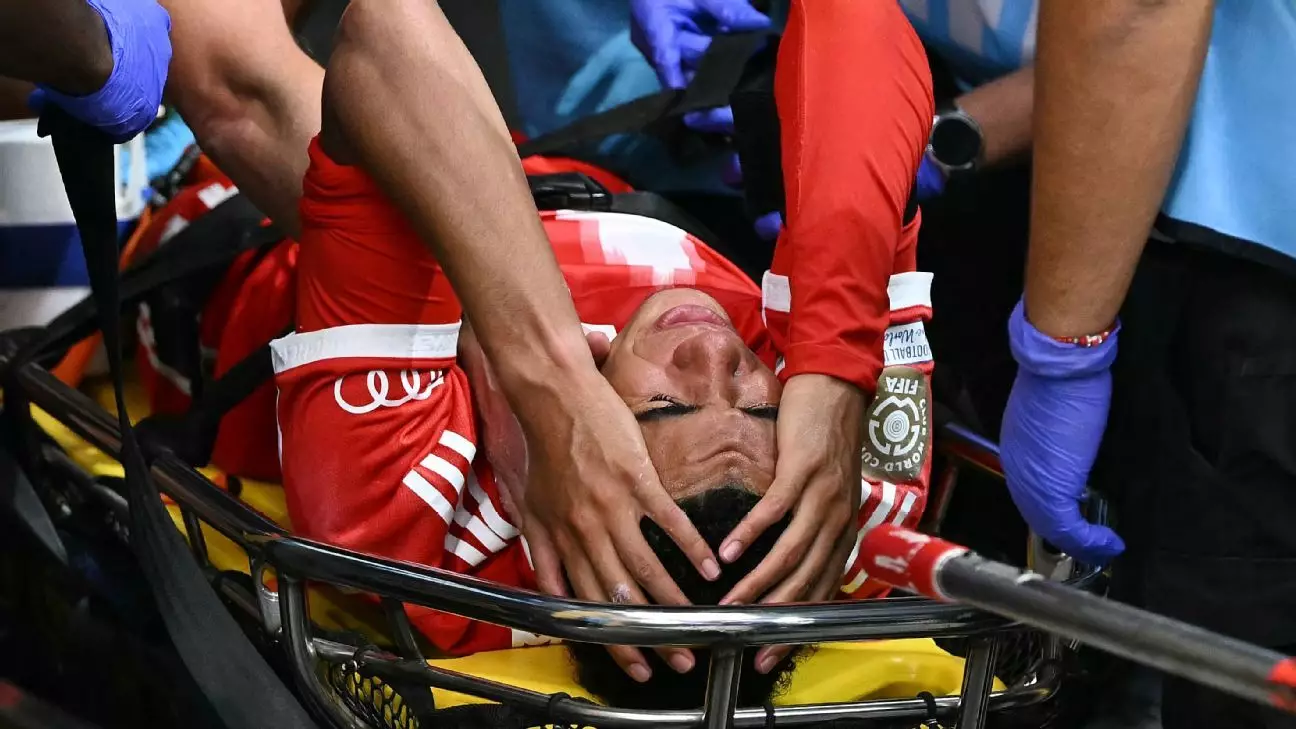
Bayern’s recent transfer window illustrates the tension between strategic planning and reactive reinforcement. Signings such as Luis Díaz and Harry Kane are undoubtedly top-class talents, but their acquisitions often appear driven by immediate needs rather than sustainable squad building. The departure of veteran attackers Leroy Sané and Kingsley Coman—coupled with the injury setbacks of Jamal Musiala—leave significant gaps in Bayern’s attacking fabric that need urgent addressing.
The club’s approach to youth development, symbolized by the Bayern Campus and the promotion of promising talents like Lennart Karl, reflects a desire to cultivate the future. However, the recent reluctance to give these prospects substantial playing time in favor of seasoned imports raises questions about Bayern’s commitment to long-term development. Coach Vincent Kompany’s acknowledgment of patience in integrating youth is realistic, but fans demand visible progress now. The delicate balance between nurturing young talent and securing immediate results remains an ongoing challenge.
The proposed acquisition of Christopher Nkunku on a permanent basis and the potential signing of Jonathan Tah exemplify Bayern’s strategy to reinforce both attack and defense with experienced players—yet, these moves may overlook the club’s need for creative depth and innovative playmakers. Without Musiala’s presence, Bayern risks becoming predictable offensively, highlighting the urgency of finding versatile, young players who can adapt and evolve with the team’s tactical demands.
Rebuilding Bayern’s Identity Amidst Modern Pressures
Kompany’s football philosophy signals a shift towards a proactive, high-pressing style—aimed at recapturing the energy and unpredictability associated with Bayern’s legendary teams. Nonetheless, translating this vision into consistent excellence is no trivial task. The team’s defensive lapses, particularly when the defensive chain disconnects, leave the goalkeeper vulnerable and the team exposed. Such vulnerabilities threaten to undermine the team’s ambitions for domestic and international success.
The dynamics within Bayern’s management and squad development also raise critical questions. The role of Eberl as sporting CEO involves making tough decisions—contract extensions, strategic transfers, and squad balance—all under the watchful eyes of the club’s founding figures. The handling of long-term contracts, such as those for Kimmich and Musiala, juxtaposes stability against potential short-term risks. The recent transfer of players like Sané and Coman indicates a shift towards a more measured, possibly more strategic, approach—though fan reactions are mixed, with some questioning whether the club is prioritizing immediate results over building sustainable excellence.
Ultimately, Bayern’s future hinges on their ability to reconcile this new footballing identity with the club’s storied traditions. The club is at a crossroads: whether to chase quick fixes or to commit to a broader, more avant-garde vision. The upcoming matches, particularly the Leipzig confrontation, will be a litmus test—showcasing whether Bayern can truly adapt, innovate, and uphold their legendary status in the modern footballing landscape.