
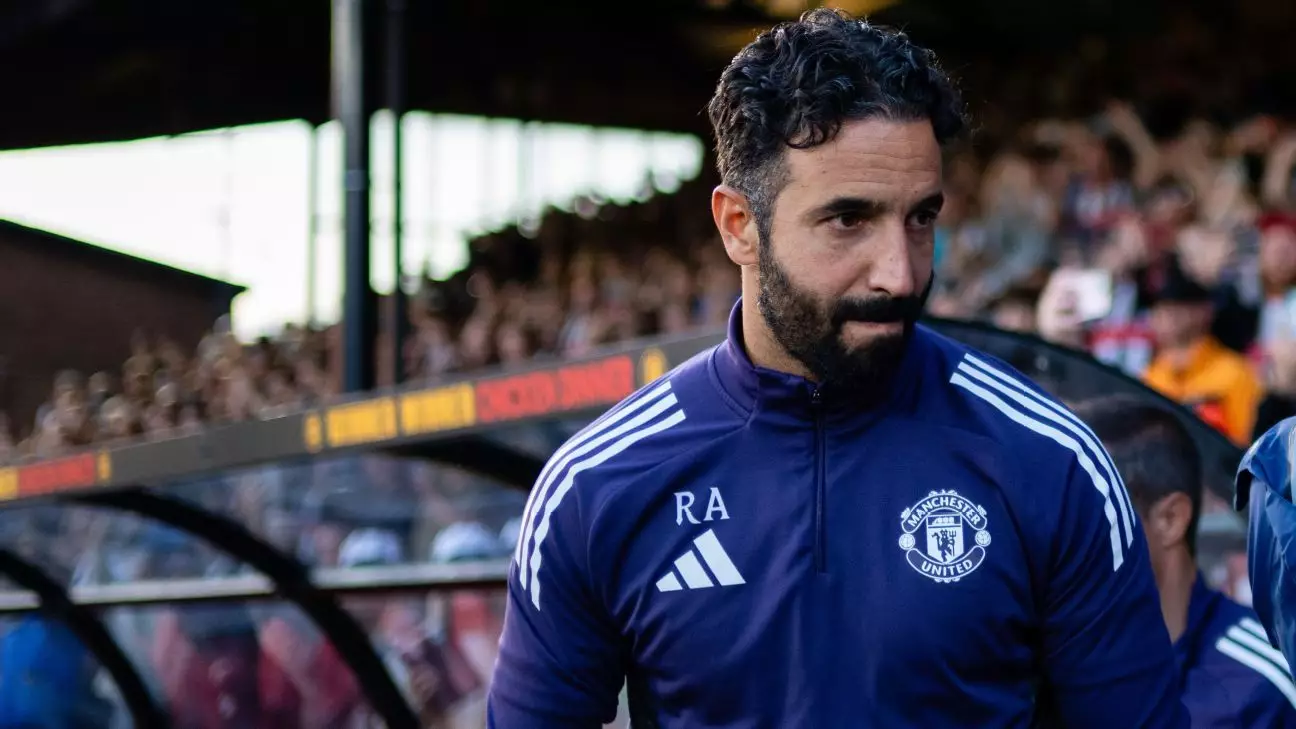
Manchester United’s managerial landscape has become a source of growing speculation and unrest. Ruben Amorim, the current head coach, publicly maintains his intention to stay, yet his words betray a fragile confidence that masks internal doubts. His confession that he cannot guarantee he will remain beyond the international break spotlights a club caught in limbo. While Amorim claims his role as United’s manager is unlikely to change, his admission of uncertainty indicates that behind closed doors, the club is contemplating drastic steps, possibly including coaching upheaval.
His comments reveal an internal conflict—one that many managers face when under pressure from both results and expectation. Amorim’s admission that he sometimes wishes to quit underscores the mental toll that managing a club this size entails, especially amid poor performances and disappointing results. This mental strain is compounded by recent defeats, such as the humiliating exit from the Carabao Cup at the hands of League Two side Grimsby Town. These setbacks are not just about the loss itself but symbolize deeper issues of confidence, team cohesion, and tactical clarity.
Performance Woes and the Shadow of Last Season’s Malaise
Evaluating Manchester United’s recent form paints a picture of struggle and stagnation. A narrow 1-0 loss to Arsenal hinted at potential but ultimately failed to inspire confidence. The subsequent 1-1 draw with Fulham further exposed the team’s inconsistencies. Amorim’s frustration is palpable; he admits to being “shocked” by their display at Grimsby, sensing a psychological residue from last season’s disastrous 15th-place finish—a nadir that left scars not easily healed. The lingering mental residue appears to inhibit players from executing with conviction, compounding the team’s on-field woes.
More troubling is Amorim’s observation that players seem preoccupied with past failures. Their mental state seems frozen, as if historical poor performances cast a long shadow over their capabilities. This fixation creates a toxic cycle where confidence erodes further, and team performance becomes a reflection of collective doubt rather than tactical fluency or physical readiness. Amorim’s insistence that the focus must shift to future games underscores a vital principle: mental resilience is as crucial as tactical savvy in rebuilding United’s fortunes.
The Crucial Upcoming Fixture and the Fight for Confidence
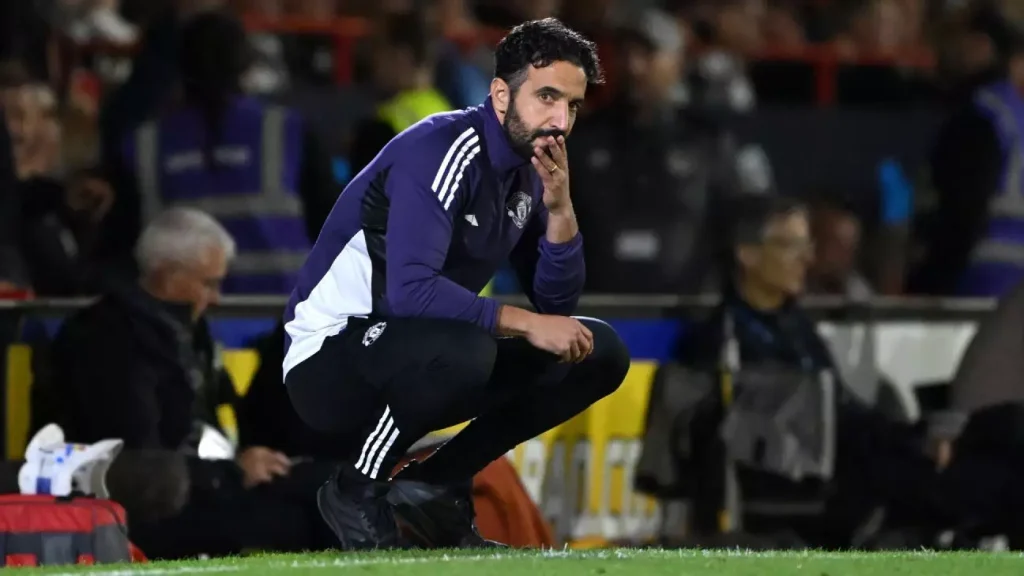
The upcoming match against Burnley symbolizes an inflection point. United, desperate for their first league win of the season, face a team that historically presents a stern challenge. This game is more than just about points; it’s about restoring belief—both in the players’ abilities and in Amorim’s leadership. How the team performs could influence whether the manager retains his position or becomes a fall guy for wider systemic issues within the club.
Amorim’s reflections about the team’s current mental state reveal a recognition of the depth of the problem. He hints that the team is still recovering from the ghosts of last season. His acknowledgment that the collective psyche needs revitalization shows a self-awareness that could be a foundation for change, but it also underscores the magnitude of the task ahead. The coach’s own uncertainty about his future may inadvertently affect player morale, creating a self-fulfilling prophecy: doubt breeds poor results, and poor results could lead to his departure.
In the broader context, Manchester United’s predicament exemplifies the peril of managerial instability at elite clubs. Leadership must be unwavering, yet in this scenario, even the coach admits to wavering. The turnaround hinges not just on tactical adjustments but on restoring confidence at every level of the squad. Until that occurs, the shadows of past failures will loom large, and the club’s future will remain tethered to the uncertain fate of its current manager.