
In an increasingly polarized global landscape, sporting events often become platforms for broader political and social tensions. The forthcoming Nations League soccer match between France and Israel at the iconic Stade de France has already sparked considerable debate even before the kick-off. Set against the backdrop of the ongoing Israel-Gaza conflict, expected attendance is only 20,000 for a stadium that holds 80,000, raising concerns about fan engagement and the atmosphere at such a high-profile event. This situation is not merely reflective of declining interest but is rather symptomatic of deeper apprehensions regarding safety and political sentiments prevalent among potential attendees.
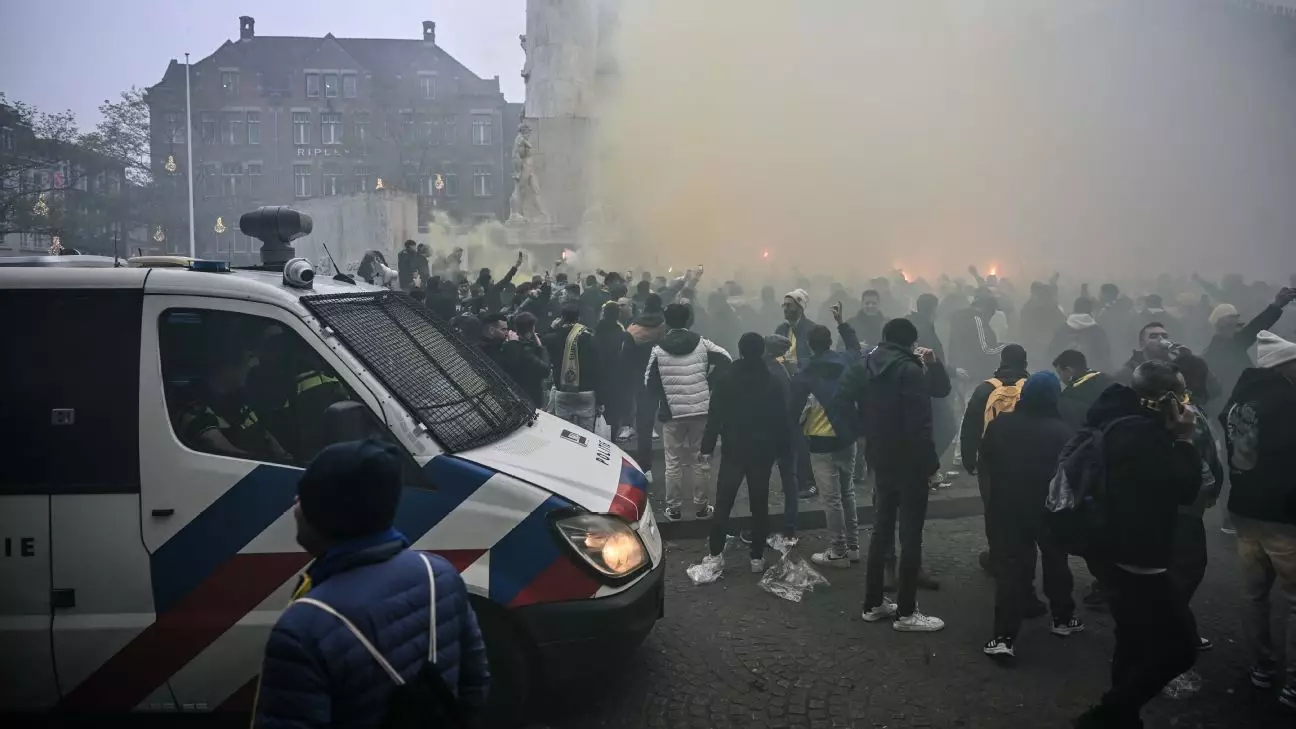
The heightened security measures surrounding the match underline the potential risks that fans and players might face. With more than 2,500 police officers stationed around the stadium and thousands more across the city, the atmosphere before and during the match is likely to be anything but relaxed. Recent incidents involving Israeli football fans in Amsterdam, where violence erupted and demonstrators clashed with police, have led many to reconsider their safety when attending international matches. This has been further confirmed by data from the French supporters’ group Les Irreductibles Français which revealed that a notable percentage of fans are opting out of attending due to “security risks” or personal issues, with political motivations playing yet another critical role.
Dayot Upamecano, the French defender, offered his insights into this complex situation. He acknowledged the apprehensions expressed by fans, emphasizing that their decisions to boycott the match are valid. While Upamecano’s focus remains solely on the game, his comments remind us of football’s inherent connection to the larger issues at play. His statement reflects a broader sentiment among athletes, many of whom prefer to remain distanced from political controversies while endeavoring to fulfill their passion for the sport. The juxtaposition of sporting events with political unrest poses a unique challenge for players who aim to maintain focus amid surrounding chaos.
Moreover, UEFA’s decision to relocate a Europa League match involving Maccabi Tel Aviv to a neutral venue in Hungary illustrates the governing body’s recognition of these escalating tensions. Amidst the backdrop of fan violence and protests, the need for proactive measures to ensure player and spectator safety is paramount. By moving matches away from potential hotspots, UEFA aims to uphold the integrity of the competitions while safeguarding participant welfare.
As the Nations League match approaches, it becomes increasingly clear that sports are intertwined with societal concerns that transcend the game itself. With political tensions swirling, concerns over safety, and varying viewpoints among fans, this event encapsulates the challenges faced in maintaining the essence of football as a unifying force. Moving forward, it is crucial for governing bodies, players, and fans to seek a balance between their love for the game and the need to address the pressing issues that overshadow it. Ultimately, sports should serve not just as entertainment, but as a reminder of our shared humanity, echoing Upamecano’s hope for peace and unity in a tumultuous world.