
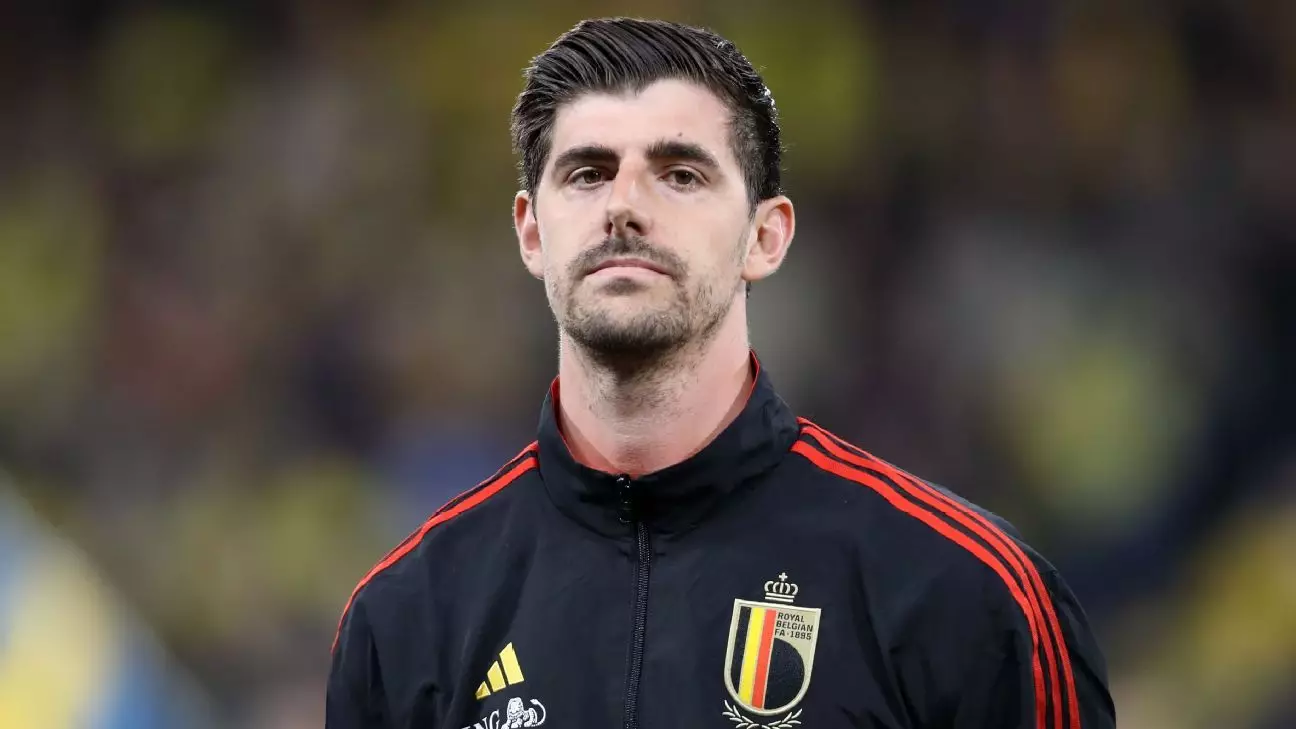
The ongoing tension between Belgium’s national football coach Domenico Tedesco and star goalkeeper Thibaut Courtois has reached a pivotal juncture. This discord can be traced back to significant controversies arising during the last European Championship qualifiers. The dissatisfaction escalated when Courtois was not given the captaincy during the July match against Estonia, leading to a fallout that has left the national team in a precarious position. not only has this situation impacted team morale, but it has also sparked broader discussions regarding leadership dynamics within the squad.
Compounding this conflict is Courtois’s serious knee injury, which sidelined him for the better part of the previous season. Although he made a triumphant return with Real Madrid, assisting the team in clinching the UEFA Champions League title, his absence from Euro 2024 in Germany deepened the vacancy in the Belgian goal. As a player with 102 caps, Courtois’s experience and skills are invaluable assets, yet his commitment to the national team hangs perilously in the balance amidst the ongoing rift with Tedesco.
The latest effort to bridge the divide between Tedesco and Courtois is marked by the intervention of the newly appointed CEO of the Belgian football association, Peter Willems. He has made a special trip to Madrid with the express intent of persuading Courtois to reconsider his decision to withdraw from duty under Tedesco’s leadership. This maneuver reveals a willingness on the part of the Belgian football hierarchy to stabilize the situation, indicating their recognition of the need for a united front as the national team gears up for its crucial Nations League clash against Italy.
Tedesco’s recent remarks during a news conference reflect a sense of pragmatism amid potential chaos. He underscored his openness to having Courtois rejoin the squad, indicating that all discussions surrounding the issue have been previously exhausted. Despite Willems’s endorsement, Tedesco appears committed to maintaining his coaching philosophy, while simultaneously acknowledging Courtois’s rights and experiences as a veteran player.
The resolution of this situation holds substantial implications for the Belgian national team. Should Courtois take steps to return, it could foster a rejuvenated atmosphere, with seasoned leadership bolstering the squad’s performance potential. Alternatively, if the rift persists, the team may grapple with an ongoing identity crisis, ultimately impacting its competitive edge in international tournaments.
As the Nations League clash approaches, the football community will be watching closely to see how this internal saga unfolds. The increasing stakes of international competition underscore the necessity for collaboration and reconciliation within the team. With both Tedesco’s coaching vision and Courtois’s experience at the forefront, the future of Belgian football hangs in a delicate balance that requires careful navigation from all parties involved.