
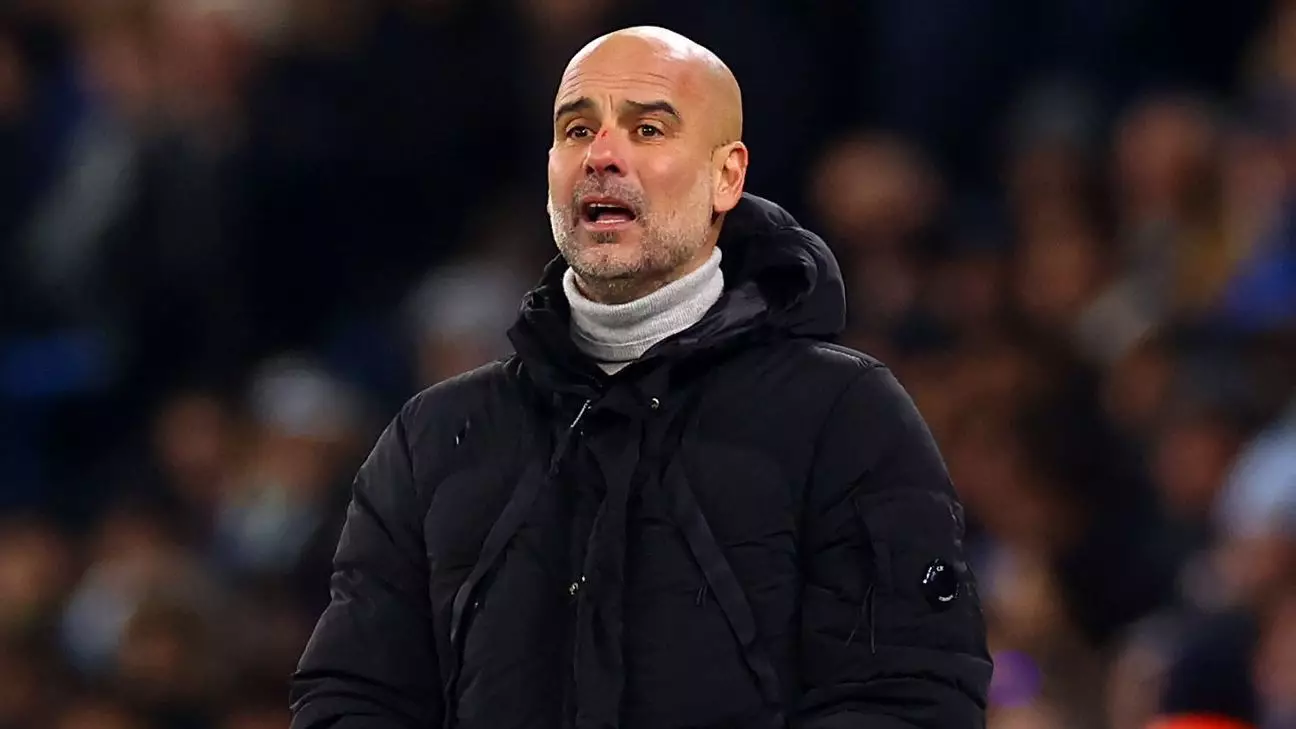
In the world of football, press conferences are a unique blend of strategy, personality, and public relations. Following an astonishing 3-3 draw with Feyenoord, Manchester City manager Pep Guardiola found himself at the center of a media storm over a comment that was perceived as alarming. In the aftermath of the match, where his team squandered a three-goal lead, Guardiola appeared visibly frustrated, sporting a cut on his nose and scratches on his head. When questioned about his injuries, he jokingly remarked that he “wanted to harm myself,” which, while likely intended to lighten the mood, spiraled into a broader discussion regarding mental health and communication responsibilities.
The Aftermath: Clarifying Misunderstandings
Recognizing the potential ramifications of his words, Guardiola swiftly took to social media to clarify his remarks. He emphasized that his comment was not a flippant reference to self-harm but rather a result of a playful response to an unexpected inquiry about his appearance. He articulated his respect for mental health issues, acknowledging the serious struggles many face, and even provided resources for those in need—specifically pointing followers to the Samaritans hotline. This response illustrates how, in moments of emotional turbulence, the importance of careful articulation and the impact of media representation cannot be overstated.
Guardiola’s candor can be seen as a reflection of the immense pressure he currently faces as a manager. This season represents one of the most challenging periods of his illustrious career, marked by an unprecedented five consecutive losses—a statistic that weighs heavily on any manager’s psyche. The recent draw with Feyenoord not only added to the agony but also highlighted a record that no team has ever experienced in the Champions League. This level of stress can create a volatile environment, not only impacting performance but also straining the manager’s mental well-being.
Guardiola’s situation serves as a necessary catalyst for a broader discourse on mental health within the competitive sports environment. Athletes and coaches continually strive for perfection, but the pressure to deliver results often leads to detrimental mental health consequences. Guardiola’s initial remarks and subsequent apology showcase the delicate balance between humor and sensitivity—an essential navigation for anyone in the public eye, especially regarding the often stigmatized topic of mental health.
As his team prepares for a challenging clash against Premier League leaders Liverpool, Guardiola’s focus must shift back to performance. Yet, the overarching mental strain of recent results will undoubtedly linger. This incident highlights that, even at the pinnacle of professional football, vulnerabilities exist. It reminds us that athletes and coaches are human, facing emotional ups and downs alongside the pressure to succeed. As the football world continues to scrutinize and celebrate Guardiola’s journey, it is critical to acknowledge how communication, mental health awareness, and the pressures of competition intertwine within this vibrant sport.