
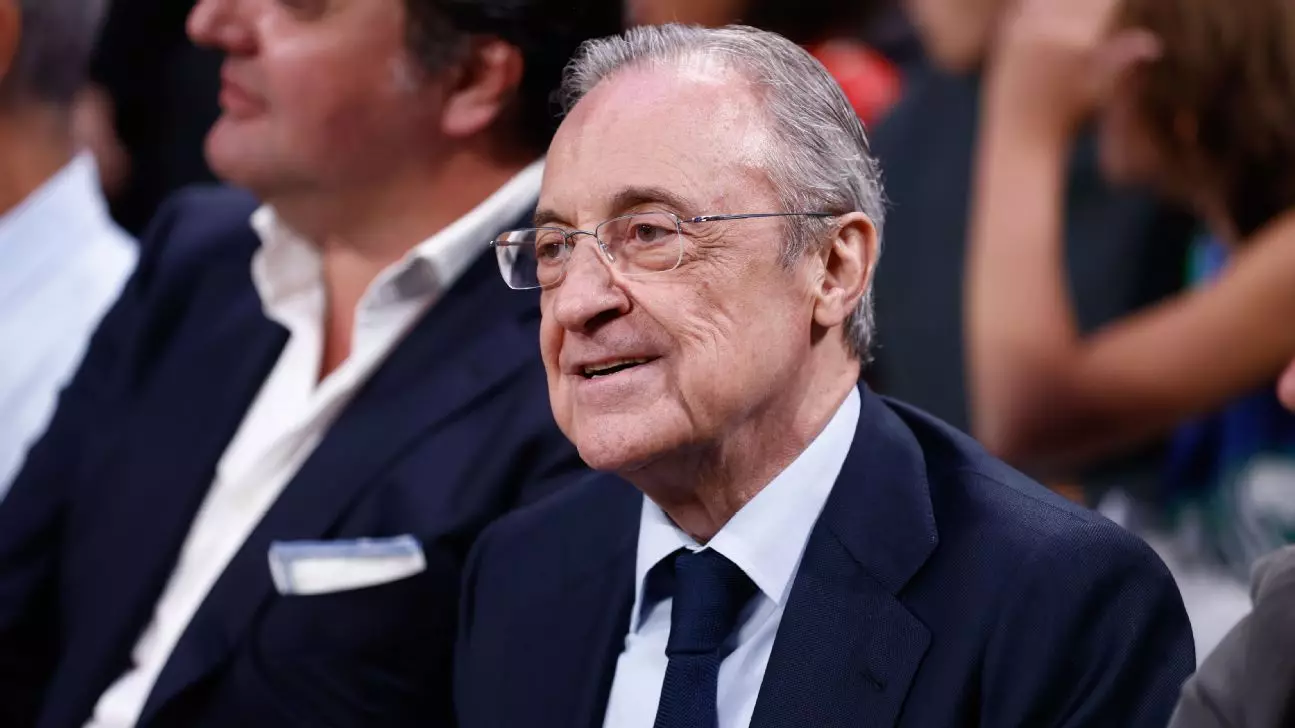
In the world of football, the Ballon d’Or remains one of the most prestigious awards a player can receive, symbolizing individual excellence amidst the overwhelming team dynamics often associated with the sport. The latest ceremony has sparked significant controversy, particularly between Real Madrid President Florentino Pérez and Sheefeni Nikodemus, a journalist from Namibia. Pérez’s criticisms of journalist votes, citing their relative obscurity, raise questions about the actual inclusivity and fairness of the voting system for such a significant accolade.
The Ballon d’Or’s voting procedure allocates points based on a ranking system, where 100 journalists from around the globe cast their votes for a shortlist of players. This year, however, the selection of Manchester City midfield maestro Rodri as the winner, ahead of Real Madrid’s Vinícius Júnior, ignited a firestorm of debate. While Vinícius had an incredible season with his club, leading them to a league and UEFA Champions League double, his performances for Brazil during the Copa América were less stellar compared to Rodri’s impactful play in the Euro 2024, which evidently swayed some voters.
In a speech at Madrid’s Annual General Meeting, Pérez specifically criticized the votes from journalists in less recognized football nations like Namibia, Uganda, and Albania. His contention was that such votes were insignificant and undermined the voting process. This perspective reflects a broader issue in the football world—an inclination to devalue the opinions from smaller markets based simply on geographical and economic standings. Nikodemus responded forthrightly, questioning Pérez’s dismissive attitude and highlighting that every voice—regardless of origin—holds significance in international discourse.
The Broader Implications of Such Comments
The aftermath of Pérez’s statements brings forth considerable implications for international sports journalism. By vilifying the votes of certain journalists, a harmful narrative is perpetuated, one that insinuates a hierarchy of opinions based solely on geographical representation or recognition in major football leagues. It raises a crucial moral question: should only votes from established football nations count, relegating others to the sidelines? It risks creating an echo chamber where only select views are deemed valuable, potentially dampening the spirit of recognition that the Ballon d’Or aims to foster.
While the Ballon d’Or undoubtedly focuses on individual talent, it’s vital to recognize that excellence in sports often transcends performance metrics. For emerging football markets, the successes of players who may not come from historic footballing backgrounds are equally worthy of acknowledgment. Nikodemus’s response may very well represent a growing belief among many journalists—that the award should reflect a more inclusive perspective that truly represents global football culture, empowering voices from every corner of the world rather than constraining them.
A Call for Reform and Reflection
The incident surrounding the Ballon d’Or serves as a pressing reminder that reform is imperative. The award’s organizers should reconsider how votes are weighted and explore whether more objective metrics could be instituted to minimize biases. The integrity of such international awards depends on a balanced representation and respect for all voices in the discourse surrounding the game.
As this controversy unfolds, it signals an opportunity for reflection within the football community. Engaging with diverse opinions should be celebrated, not ridiculed. Each journalist—regardless of their nation’s football pedigree—brings unique insights that contribute to a richer understanding of the beautiful game. Moving forward, it’s crucial to advocate for a football culture that honors inclusivity, ensuring that the essence of the sport is truly representative of global passion. After all, football is a universal language that should encompass and celebrate the diverse voices that help shape it.