
In the world of Premier League football, maintaining a full roster is a continuous challenge for clubs, especially as the season progresses and injuries begin to take their toll. Managers must navigate the precarious balance between short-term performance and long-term squad fitness. This article delves into the implications of player injuries, suspension statuses, and the expected lineups for upcoming fixtures, presenting insights for fans, analysts, and fantasy team managers alike.
Injuries are a common occurrence in football, and their ramifications extend beyond just a single game. Clubs like Everton, Liverpool, Aston Villa, and Manchester United are facing significant injuries as they prepare for the next round of fixtures. For instance, Everton’s prominent midfielder James Garner has been ruled out until December 29 due to a back issue. Such absences can disrupt team chemistry and force managers to rethink their tactical approaches.
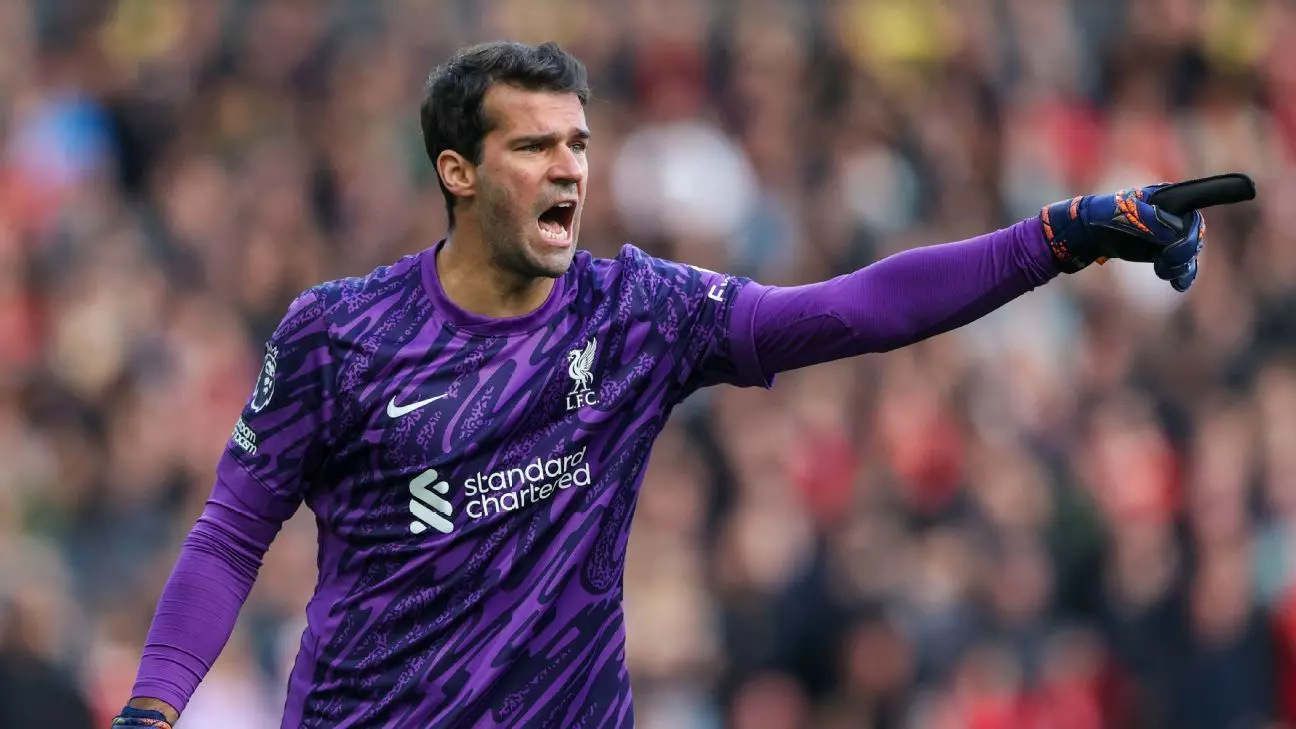
Liverpool, a club that often relies on a cohesive attacking strategy, has its depth tested with key players like Alisson Becker nursing a hamstring injury. The uncertainty about his availability is compounded by doubts surrounding other essential squad members, including Diogo Jota and Ibrahima Konaté. These injuries force managers to shuffle their tactics or adjust formations, potentially leading to a dip in overall performance.
Aston Villa is no stranger to injury woes either, with Jacob Ramsey’s hamstring injury sidelining him until mid-December. Such news is critical not only for the club’s current form but also in shaping future match days where every player’s fitness can significantly influence outcomes.
Alongside injury concerns, suspensions can dramatically alter team lineups and strategies. For example, Tottenham Hotspur’s Rodrigo Bentancur will miss crucial fixtures due to suspension, creating an opportunity for younger or less experienced players to step up. This shift creates a chain reaction within the squad as players adapt to new roles, which could either strengthen the team environment or create vulnerabilities.
The fallout from suspensions can breed unpredictability, particularly for fantasy football managers who track player performances and formation stability closely. Understanding which players are unavailable due to disciplinary actions is crucial for team selection and points accumulation.
With the roster uncertainties clarified, the focus shifts to expected lineups for matches such as Everton vs. Liverpool and Aston Villa vs. Southampton. Teams must prepare thoroughly to compensate for any missing personnel. For instance, in the Merseyside derby, Everton may need to rely heavily on Dominic Calvert-Lewin’s ability to deliver offensively without Garner’s creative influence. Similarly, Liverpool’s lineup could see a shift in attacking focus, possibly levered by stars like Mohamed Salah and Luis Díaz stepping up to fill creation gaps.
Aston Villa’s household fixture against Southampton also poses tactical challenges. Missing Jacob Ramsey, their tactical fluidity could be compromised. However, with players like Ollie Watkins ready to contribute significantly, the team may showcase resilience against an up-and-coming Southampton squad. The expected lineups reveal how managers will strategically adapt in light of injuries and suspensions, striving for a competitive edge.
For fantasy football players, this mix of injury news and expected lineups offers a potent cocktail of challenges and opportunities. Budget considerations come into play, as managers seek to fill gaps with reliable backups or emerging talents, often resulting in significant shifts in player valuations. As injuries mount, the importance of keeping abreast of the latest updates from clubs cannot be overstated.
Optimizing a fantasy team in light of injury reports can mean the difference between success and disappointment on match day. The approach must involve careful analysis, weighing the potential of riskier picks against the safety of established stars who might not deliver due to suboptimal fitness.
The cycle of injuries, suspensions, and lineup formations paints a complex narrative in Premier League football. As clubs work to maintain squad depth amidst these hurdles, the intricate balance of managing fitness, exploring tactical options, and satisfying fan expectations becomes increasingly crucial for success on and off the pitch. For fans and fantasy managers alike, the attention to injury management and preparedness becomes part of the excitement that envelops this dynamic league.