
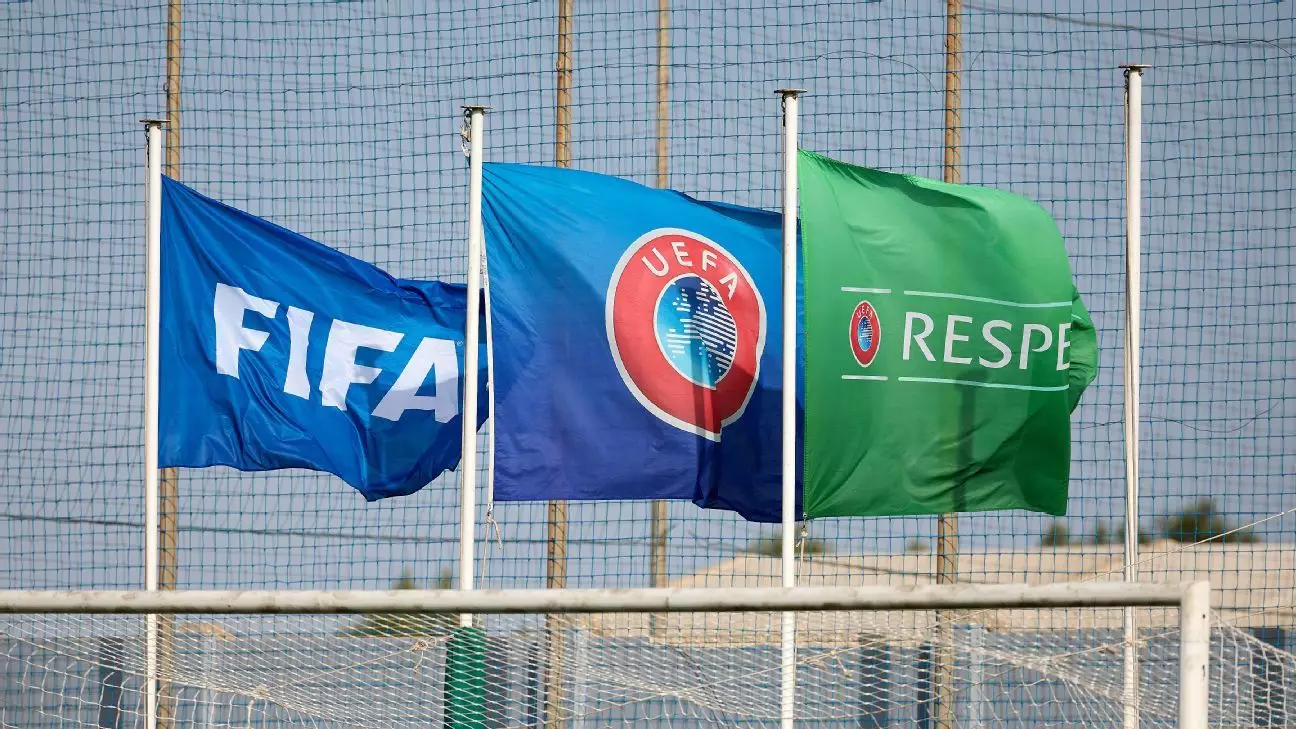
The football world is no stranger to controversies and upheavals, and the recent developments surrounding the proposed European Super League are proving to be no exception. A22 Sports, the entity backing the Super League initiative, has recently submitted a proposal to UEFA and FIFA to formally recognize its ambition to establish a new European competition. This proposal comes on the heels of a landmark ruling by the European Court of Justice (ECJ) in December 2023, which found that UEFA and FIFA had been abusing their dominant position in European football, effectively calling into question their governance.
The ECJ ruling presents a double-edged sword for A22 Sports. While it provides a legal basis for their claims, it also outlines the need for compliance with regulations governing sports competitions within the EU. A22 has positioned its proposal as a means to establish a competition that is both inclusive and meritocratic. They argue that the ruling inherently allows for the formation of new competitions as long as they adhere to existing match calendars and the principles of equity in qualification. This pivot in strategy begs the question: will these new measures appease the critics and skeptics that have continually rebuffed the Super League’s proposals?
Interestingly, A22’s restructuring effort incorporates valuable feedback from clubs, leagues, and fans alike, indicating a responsiveness to the contentious dismantling of the original Super League plan. This newfound adaptability could be vital in creating a competition that appeals to a broader audience by attempting to balance the commercial interests of clubs with the overarching need for integrity and fairness in sporting competitions.
In their latest proposal, A22 highlights urgent challenges confronting modern football, including rising subscription costs for fans, an overloaded playing calendar, a lack of investment in women’s sports, and frustrations surrounding the current European competition formats. A22 CEO Bernd Reichart has articulated a vision of reform that intends to tackle these issues head-on.
One of the most notable changes in the proposal is a shift towards a qualification system that rewards clubs based on their domestic league performances. By doing so, A22 aims to foster a competitive atmosphere that not only champions success but also constructs a system more palatable to fans who demand accountability and transparency. This model could potentially rejuvenate the European football landscape, providing a fresh beginning that encourages widespread participation while still maintaining a competitive edge at the top of the sport.
The Unify League: A New Identity
Branding plays an essential role in the success of any new undertaking, and A22 has seized on this with the launch of the “Unify League.” This rebranding aims to shed the longstanding associations of the Super League with elitism and exclusivity. By promoting the idea of a free-to-air streaming service supported by advertising, the Unify League seeks to draw in viewers who may have been disillusioned by the previous proposals.
The structural breakdown of the Unify League is ambitious, containing plans for 96 clubs across various leagues, each designed to incorporate promotion and relegation. With such a large pool, the new framework ostensibly emphasizes inclusivity, granting clubs from smaller leagues the opportunity to compete on a larger stage, thereby rejuvenating the spirit of competition across Europe.
Furthermore, the league’s format accommodates midweek matches, a nod towards the congested schedules that have burdened players and clubs in recent years. This redesign, however, will face intense scrutiny as stakeholders assess whether it genuinely alleviates the pressure on clubs while simultaneously enhancing the quality of play.
Despite A22’s best efforts to revise its approach, opposition remains fierce. Major football leagues and associations have generally reiterated their disapproval of the Super League, citing a commitment to UEFA’s regulations and existing competition frameworks. LaLiga president Javier Tebas’s scathing remarks illustrate the skepticism surrounding A22’s initiatives, characterizing their proposals as under-researched “formats produced as if they were churros.”
While A22 Sports is making earnest attempts to navigate the tumultuous waters of European football governance and reframe the narrative surrounding the Super League, contradictions remain. The path to acceptance will undoubtedly be riddled with challenges, necessitating thoughtful dialogue among stakeholders who genuinely care about the future of the sport. As the situation evolves, only time will tell whether the Unify League can truly redefine European football or if it will merely serve as a footnote in the annals of football history.