
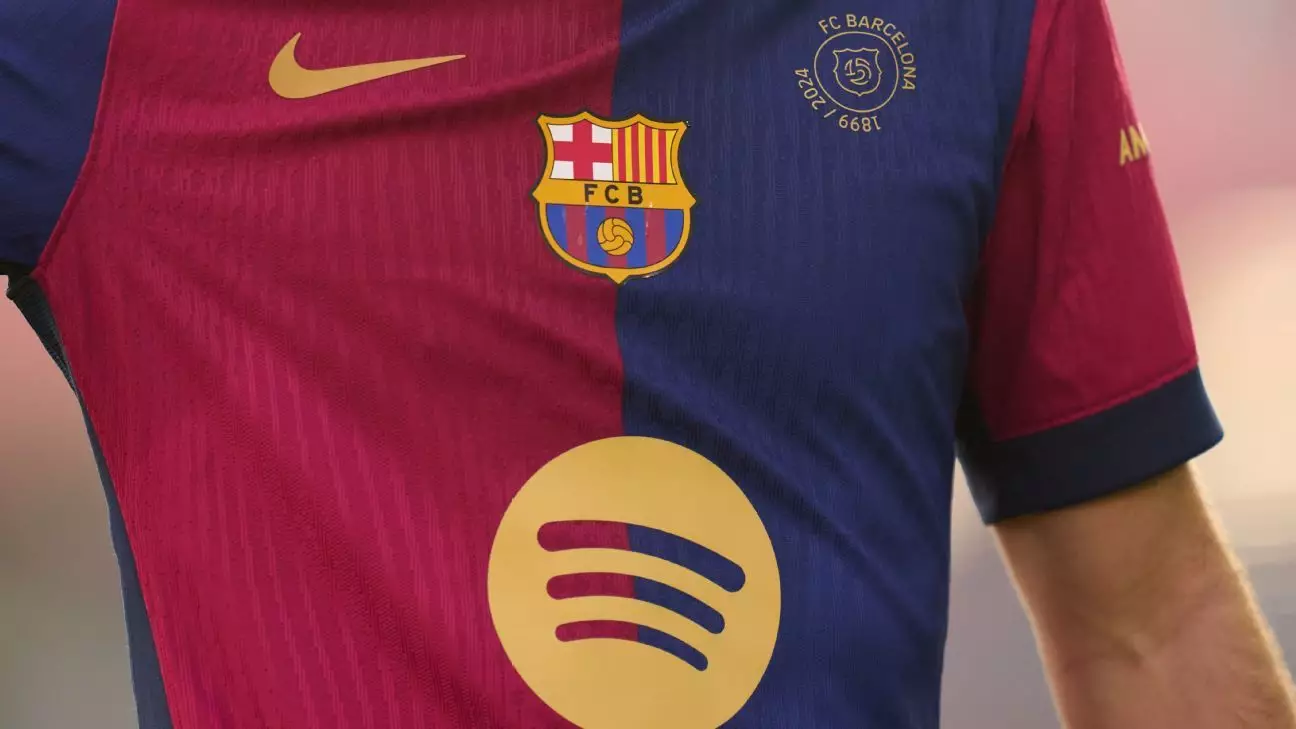
Barcelona’s deportivo landscape has received significant attention following the club’s recent emergency assembly where members ratified a groundbreaking long-term agreement with global sportswear giant Nike. This partnership, described by president Joan Laporta as the most lucrative of its kind in sporting history, reflects not only a strategic financial maneuver but also highlights broader trends in how elite football clubs navigate an increasingly competitive and financially complex environment.
At the assembly, the results of the vote revealed overwhelming support with 419 members in favor, 27 against, and 22 abstaining. This decisive backing from the members—known as socios—signals a considerable level of trust in Laporta’s vision for the club’s future. The substantial majority underscores a collective acknowledgment among members of the urgent need for financial stabilization amidst the club’s ongoing fiscal challenges.
Despite the buoyant approval, some members expressed their apprehensions regarding the transparency of the deal. The specific financial details remain shrouded in secrecy due to a confidentiality clause, leading to various concerns about what this arrangement will truly entail. While it has been reported that the deal is worth more than €100 million annually, the lack of comprehensive public disclosure raises questions about the club’s commitment to accountability to its members.
Laporta’s assertion that this agreement will alleviate Barcelona’s financial woes resonates with many football fans who are acutely aware of the stringent financial fair play regulations that govern LaLiga. Even with the Nike deal in place, it has been indicated that the partnership alone will not immediately allow Barcelona to comply with their imposed spending limit, which is currently around €426 million. The club faces an ongoing challenge, with reports suggesting they are exceeding this cap by approximately €60 million.
This context makes the contrast with similar deals in the football industry evident. For instance, Manchester United’s reported £1 billion partnership with Adidas stands as a colossal benchmark, while Real Madrid’s €120 million yearly agreements reflect the intense competition among top-tier clubs for lucrative sponsorship and merchandising deals. Barcelona’s agreement with Nike, though monumental, may not entirely bridge the financial gap left by previous mismanagement and spending.
Another critical aspect of this partnership is its potential impact on Barcelona’s merchandise sales. While fans expect high-quality products associated with the club’s brand, concerns have been raised regarding the increasing prices of merchandise. As the club seeks to bolster its financial foundations, it must balance the desire for profitability with the need for fan accessibility. The ongoing discontent surrounding pricing suggests a misalignment between club strategies and fan expectations, which could undermine the support that the socios have shown.
Laporta’s defense of Darren Dein’s role in brokering the deal highlights the intricate web of relationships that define modern football. Dein’s involvement in both the Nike deal and the sponsorship agreement with Spotify raises interesting questions about the influence of agents and intermediaries in the financial dealings of football clubs. While Laporta extols the benefits of these connections, transparent communication with socios regarding these relationships may be vital to fostering trust and support.
Looking to the future, the partnership with Nike is envisioned as a crucial pillar in Barcelona’s economic recovery strategy. Nonetheless, the looming deadline for temporary player registrations of Dani Olmo and Pau Víctor illustrates that while new revenue streams are vital, immediate financial solutions are still required to ensure compliance with LaLiga’s regulations. The club is reportedly exploring legal avenues to extend these registrations, indicating a precarious balancing act that Barcelona must navigate.
Barcelona’s new agreement with Nike heralds a promising avenue for financial recovery but also exposes the complexities inherent in modern football’s economic landscape. For the club to thrive, ongoing dialogue with socios about transparency and the strategic path ahead will be crucial. The balance of profits, pricing, and performance will ultimately dictate whether this monumental partnership can reshape the club’s fortunes in both the short and long term.