
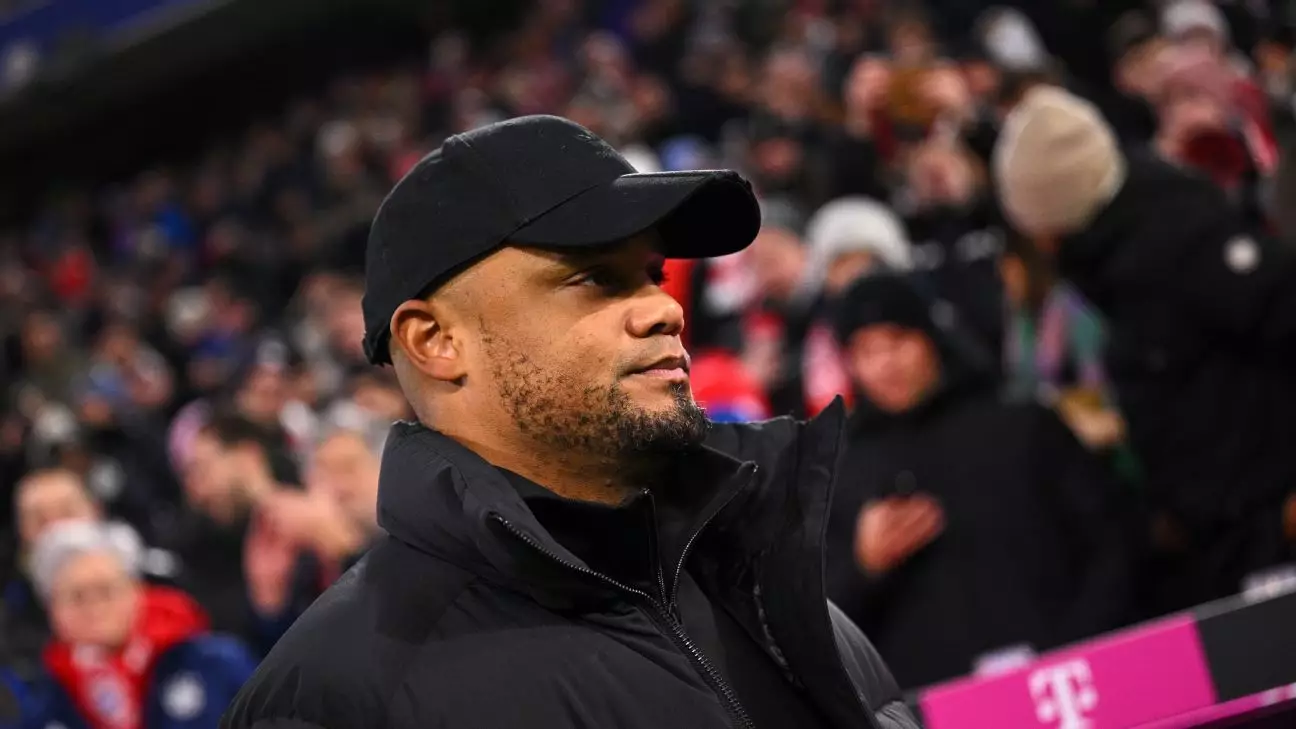
The much-anticipated Bundesliga match between Bayern Munich and RB Leipzig was overshadowed by tragic events unfolding in Magdeburg. Just one hour before the match kicked off, a car plowed through crowds at a Christmas market, resulting in a deliberate attack that left the community in mourning. As news broke, the jubilant atmosphere typically associated with football was transformed into one of somber reflection. The unfortunate incident claimed the lives of two individuals, including a small child, and injured scores of others, leaving a stark reminder of real-world horrors that often lurk behind the joyous façade of sports.
Coaches Gripped by Grief
In the aftermath, both coaches, Vincent Kompany of Bayern Munich and Marco Rose of RB Leipzig, found themselves grappling with how to process their roles amid widespread tragedy. Kompany expressed deep empathy for the victims, stating, “It’s almost impossible to talk about football tonight. Right now the people in Magdeburg are in our thoughts.” His sentiment highlighted a prevailing concern among players and fans: that the joy and energy associated with football can feel trivial when faced with loss and suffering. Rose echoed similar feelings, indicating that while the match’s outcome was significant, it paled in comparison to the weight of loss experienced by the Magdeburg community.
Moment of Reflection Amid Celebrations
Despite Bayern’s commanding 5-1 victory on the pitch, the planned Christmas ceremony was canceled out of respect for the tragic events. Bayern’s CEO, Jan-Christian Dreesen, addressed fans and players with a heavy heart, calling for a minute of silence to honor those impacted. His words served as a reminder that, while football often unites and energizes people, it can also be a backdrop against which the harsh realities of life are starkly visible. Dreesen’s willingness to prioritize human compassion over celebratory traditions illustrates a collective sense of duty to stand in solidarity with those in pain.
On the field, Bayern managed to secure a significant victory, temporarily lifting spirits among their supporters. Star player Jamal Musiala scored within the first minute, igniting hopes for an exciting match ahead. Yet, even as the goals rolled in, the players must have felt the weight of what had transpired just miles away. The football community, known for its vibrant rivalry, found itself unified in grief—a peculiar juxtaposition that illustrates the intertwined relationship between sport and society. After a commanding first half, including goals from Konrad Laimer and Joshua Kimmich, Bayern’s performance would usually serve as a topic of celebration; instead, it became a muted episode in the shadow of tragedy.
As the echoes of cheers from the jubilant fans rang hollow against the backdrop of sorrow, both fans and players alike were left contemplating the broader implications of the day’s events. In an age when the world feels increasingly divided, Kompany’s wish for “more wins for peace” reflects a yearning for healing not merely within Germany but across the globe. As the Bundesliga season continues, it highlights an undeniable truth: while sports provide an escape from reality, they also reflect the world we live in—imbued with both joy and sorrow. In this moment, the calls for peace and solidarity from the football community resonate louder than any goal scored on the pitch.