
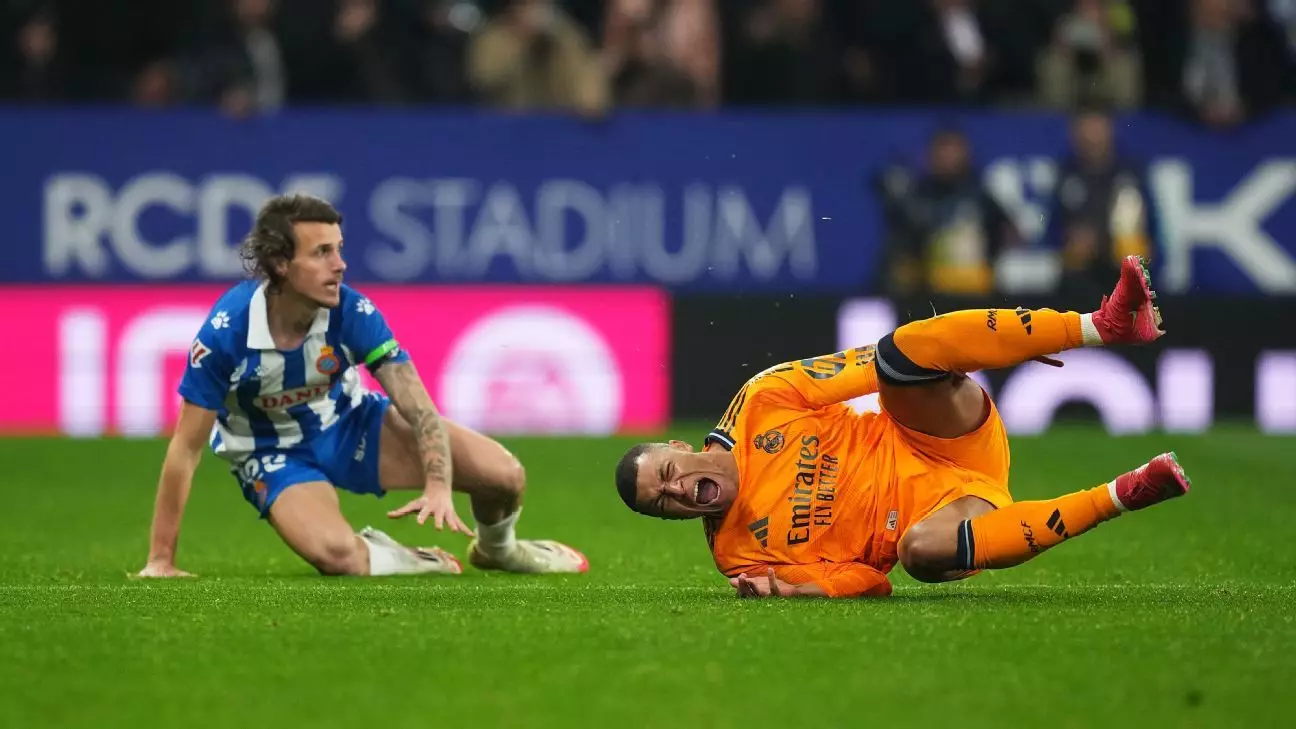
The recent decision by the Spanish Football Federation (RFEF) to part ways with the head of VAR, Carlos Clos Gómez, and the president of the Technical Committee of Referees (CTA), Luis Medina Cantalejo, signals a pivotal moment in the evolution of refereeing in Spain. This change, although laden with challenges, opens the door to a new era characterized by transparency and efficiency, elevating the standards expected from officials in an increasingly scrutinized sport.
Seeking Transparency Amid Controversy
For years, the refereeing landscape in Spanish football has been marred by controversy and allegations of bias. Prominent clubs, especially Real Madrid, have been vocal critics, highlighting perceived inconsistencies and errors leading to dire consequences in critical matches. The tumultuous discussions surrounding officiating not only reflect discontent among teams but also underline the need for a more robust and accountable refereeing structure. The RFEF’s determination to initiate reform comes at a time when the integrity of Spanish football is under scrutiny; it’s a commendable first step toward addressing long-standing grievances.
Parting Ways: A Thoughtful Transition
In issuing a statement thanking both Medina Cantalejo and Clos Gómez for their contributions, the RFEF demonstrates a balanced approach to transition. Acknowledging their professionalism while simultaneously recognizing the need for change is crucial in maintaining morale within the ranks of refereeing. This is not merely a punitive dismissal; it is an intentional pivot aimed at cultivating an environment where referees can thrive under modernized protocols and improved communication with clubs and stakeholders.
Constructing a New Model
At the core of this restructuring effort is the commitment to foster a modern and efficient officiating framework, enhanced by collaboration among the refereeing community, professional clubs, and the Federation itself. This approach is wise; it acknowledges that officiating in football is not an isolated discipline but a collaborative effort that significantly impacts the game’s integrity and fairness. Establishing a platform for dialogue will undoubtedly enhance the credibility of decisions made on the pitch, thereby strengthening the overall trust in the footballing framework.
Future Implications: The Road Ahead
The proposed reforms are not without their challenges. The looming shadow of the Negreira case, which has embroiled Barcelona in controversy over payments to refereeing entities, adds a complex layer to the already intricate fabric of Spanish football. As the RFEF prepares to announce a new structure for the CTA on July 2nd, it remains crucial to ensure that this new beginning does not merely serve as a band-aid for deeper issues plaguing the system. Stakeholders must remain vigilant, fostering an environment where accountability and transparency are not just buzzwords but the cornerstone of officiating standards in Spanish football.
Navigating the path forward will require not only innovative thinking but also unwavering commitment. The time is ripe for Spanish football to redefine its approach to officiating, moving towards a model that not only meets the demands of the present but also anticipates the challenges of the future. With a collective effort, this transition has the potential to not only enhance the credibility of refereeing but to also elevate the overall experience for fans and clubs alike, re-establishing a sense of faith in the sport.