
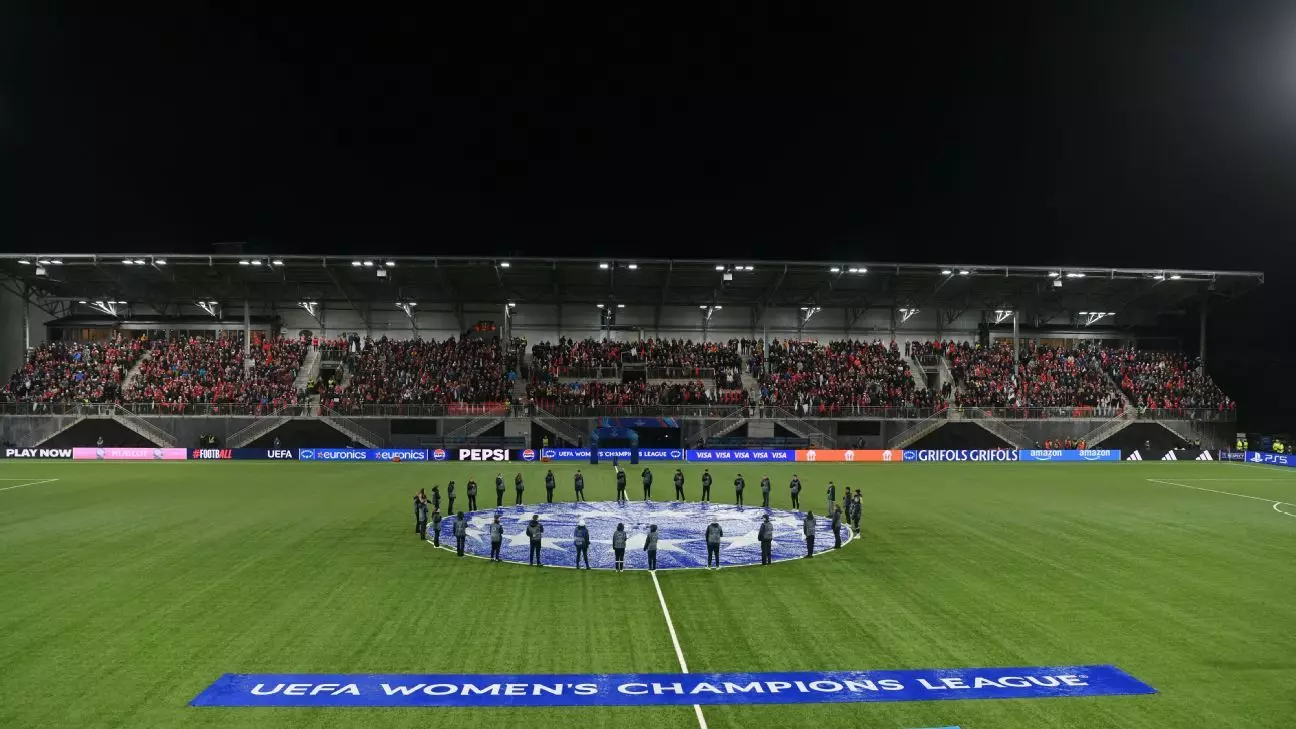
In a decisive turn of events, Norwegian club SK Brann has placed itself squarely at the forefront of a critical debate about free speech in football. The recent ruling from the Court of Arbitration for Sport (CAS) not only absolved Brann from a €5,000 fine imposed by UEFA but also sparked a conversation about the limits of expression in the world of sports. The club’s fans had expressed their dissenting views with chants of “UEFA Mafia” and displayed related banners—actions that UEFA deemed “provocative” and deserving of punishment. Yet, this ruling suggests a shift towards valuing free speech, even in contexts where it can be uncomfortable for governing bodies.
A Cultural Context
The dispute serves as a microcosm of the larger cultural tensions sports organizations face when it comes to fan expression and behavior. With many instances of fans being penalized for their vocal criticisms, often framed as ‘provocative messages,’ the CAS decision raises an important question: to what extent should regulatory bodies restrain speech in the name of decorum? Brann’s case is particularly salient because it sheds light on the distinction between acceptable protest and what might be deemed offensive. The club and its supporters clearly view the use of “UEFA Mafia” as a satirical commentary on perceived power dynamics within the organization—an interpretation that the CAS backed.
The Broader Implications
This ruling has the potential to resonate beyond the Norwegian club, impacting clubs and fans across Europe. The acknowledgment from CAS that UEFA’s rules must consider fundamental human rights provides a vital beacon of hope for advocates of free expression in sport. Brann’s president, Aslak Sverdrup, voiced the sentiments of many when he characterized the ruling as a crucial win for those advocating free speech in a world increasingly wary of dissent. His assertion that the ruling might echo throughout European football underscores the idea that such victories can profoundly influence norms and practices governing fan interactions.
UEFA’s Response and the Path Ahead
While Brann celebrated the CAS ruling, UEFA responded with a measured tone, indicating its discontent with the interpretation of the decision. By emphasizing its commitment to ensuring public safety during matches, UEFA appears unwilling to fully endorse the notion that protest, even if satirical, could be free from disciplinary action. This ongoing tug-of-war between regulatory frameworks and the right to self-expression reflects a broader societal struggle concerning the boundaries of free speech and institutional authority.
As this narrative unfolds, the football community must grapple with new questions: How can organizations protect public safety without infringing on fans’ rights to express their views? Will Brann’s victory inspire clubs elsewhere to challenge unfair regulations? The answers may reshape the landscape of professional sports as we know it, potentially heralding a more open and inclusive atmosphere for expressing dissent through the passionate and communal medium of football.