
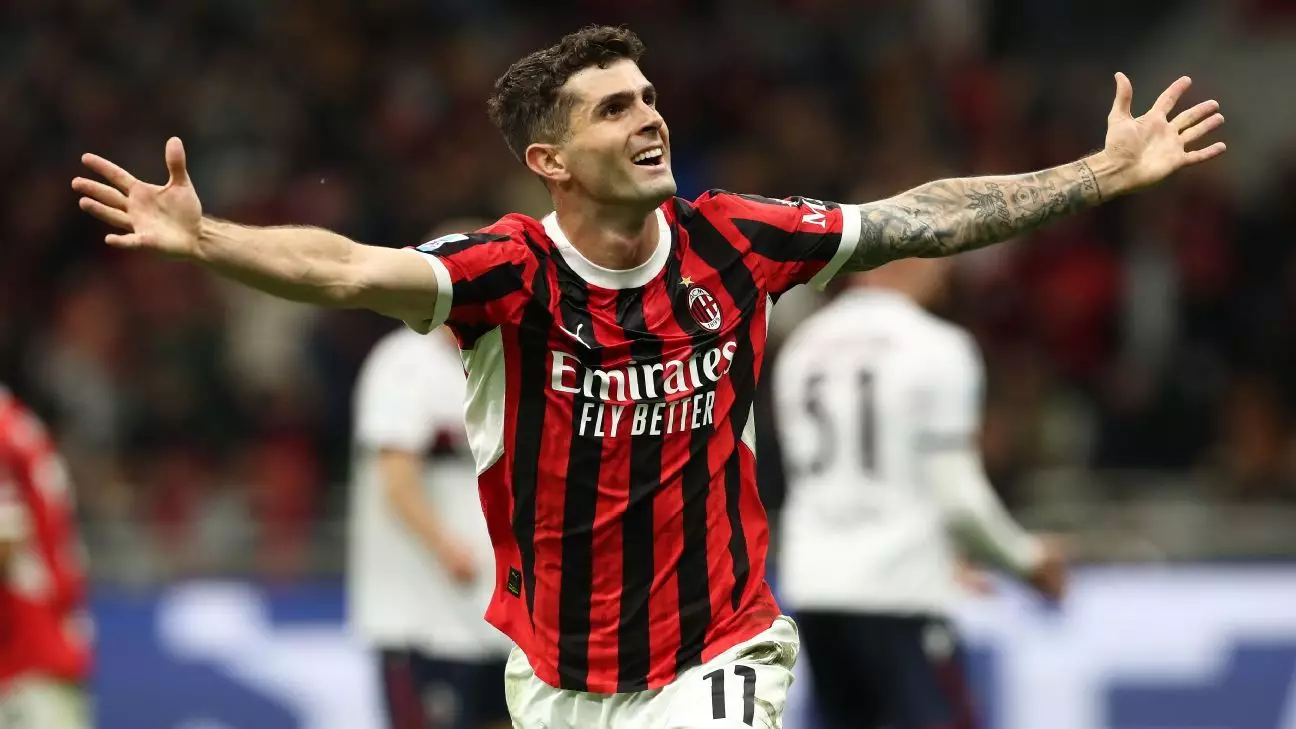
In recent years, the football landscape has witnessed an unprecedented shift as clubs outside traditional European powerhouses aggressively pursue top-tier talent to elevate their status. Al Nassr’s interest in Christian Pulisic exemplifies this trend, signaling their ambition to make a significant mark on the global stage. By targeting a player like Pulisic, who has demonstrated his caliber on both European and international levels, the Saudi club aims to not only bolster their attacking options but also leverage his reputation to inspire a new era of football prominence in the Middle East. The potential inclusion of veteran Aymeric Laporte presents a compelling tactical move, positioning the team with a mix of youthful flair and seasoned experience. This strategy underscores a broader, provocative question: are these leagues genuinely seeking competitive excellence or merely riding a wave of commercial hype? Regardless, Al Nassr’s move embodies a bold vision for football’s future, emphasizing the sport’s evolving center of gravity.
Liverpool’s Defensive Dilemmas and Real Madrid’s Silent Pursuits
Meanwhile, at Anfield, Ibrahima Konaté’s rejection of a contract extension signals deeper ornamental shifts within Liverpool’s defensive architecture. The French central defender’s decision not only disrupts Liverpool’s continuity plans but also opens the door to Real Madrid, a club renowned for their knack of acquiring top-tier defenders. Madrid’s interest hints at a strategic repositioning—signaling that Los Blancos may be reconsidering their center-back lineup after a string of high-profile departures. It prompts a critical reflection: are such negotiations driven by genuine sporting need or a cycle of managerial and ownership ambitions? Konaté’s stance poignantly illustrates how players now wield profound influence over their careers, challenging clubs to adapt in a landscape where loyalty is tested against towering contract offers and project visions. This evolving dynamic punctuates the ongoing tussle between clubs and talent, shaping the future battleground for elite football.
Bayern Munich’s Strategic Market Play: Balancing Ambition and Value
Bayern Munich’s recent transfer pursuits reveal a club grappling with strategic patience amidst market pressures. Their aggressive bid for Nick Woltemade, a relatively lesser-known but promising striker, reflects a calculated effort to bolster their attacking options without overspending. Stuttgart’s firm stance against a €40m offer, demanding €80m, underscores how Bayern’s ambitions clash with the realities of market valuation. Additionally, their ongoing monitoring of players like Luis Díaz, Xavi Simons, and Christopher Nkunku demonstrates a calculated approach—identifying potential diamonds in the rough rather than rushing into hefty signings. This strategy reveals Bayern’s true strength: a preference for measured, data-driven investments that align with their philosophies rather than impulsive splurges. The Bayern saga exemplifies how modern elite clubs are navigating a crowded transfer market, ensuring they don’t compromise their financial discipline while remaining competitive on multiple fronts.
European Giants and the New Generation of Star Talent
Across Europe, a new wave of talented players is compelling clubs to reconsider traditional transfer priorities. Arsenal’s keen interest in Madueke, juxtaposed with their ongoing search for a striker, indicates a tactical repositioning—prioritizing dynamic wingers who can diversify their attacking approach. Simultaneously, Milan’s cautious wait-and-see approach with Dusan Vlahovic highlights how clubs strategize around contractual situations, seeking to balance financial prudence with squad quality. Meanwhile, Napoli’s push to secure Lorenzo Lucca highlights the ongoing race to discover and develop young European talents, reaffirming the club’s commitment to building a competitive future. These maneuvers underscore a fundamental shift: clubs are increasingly valuing versatility, youth growth, and strategic patience over impulsive signings. The future of European football is undeniably in the hands of those who can identify, nurture, and seamlessly integrate rising stars into their tactical fabric.
The Echoes of a Shifting Football Power Structure
Perhaps the most intriguing element of this transfer window is how it embodies a broader redistribution of football’s power centers. From Saudi Arabia’s aggressive recruitment to European clubs prioritizing strategic long-term investments, the sport is experiencing a fundamental transformation. Star players are no longer bound solely by the traditional European elite—many are now attracted by different visions of football success, financial incentives, and emerging markets. This paradigm shift forces established clubs to rethink their talent pipelines, youth development strategies, and competitive philosophies. The infusion of new money and new ambitions challenges the old guard’s dominance, compelling everyone to adapt or face obsolescence. Ultimately, these developments propel football toward a more diverse, unpredictable future—where power is fluid, and opportunity knocks from every corner of the globe.