
The latest weekend in European football provided plenty of drama and unexpected outcomes, particularly in the Premier League. Liverpool emerged victorious, reclaiming the top spot after Arsenal suffered a disappointing loss to Newcastle United. Meanwhile, Manchester City faced an unexpected defeat against Bournemouth, marking a significant twist in the title race. Liverpool’s resurgence under manager Arne Slot has been noteworthy, showcasing a blend of tactical intelligence and player dynamism.
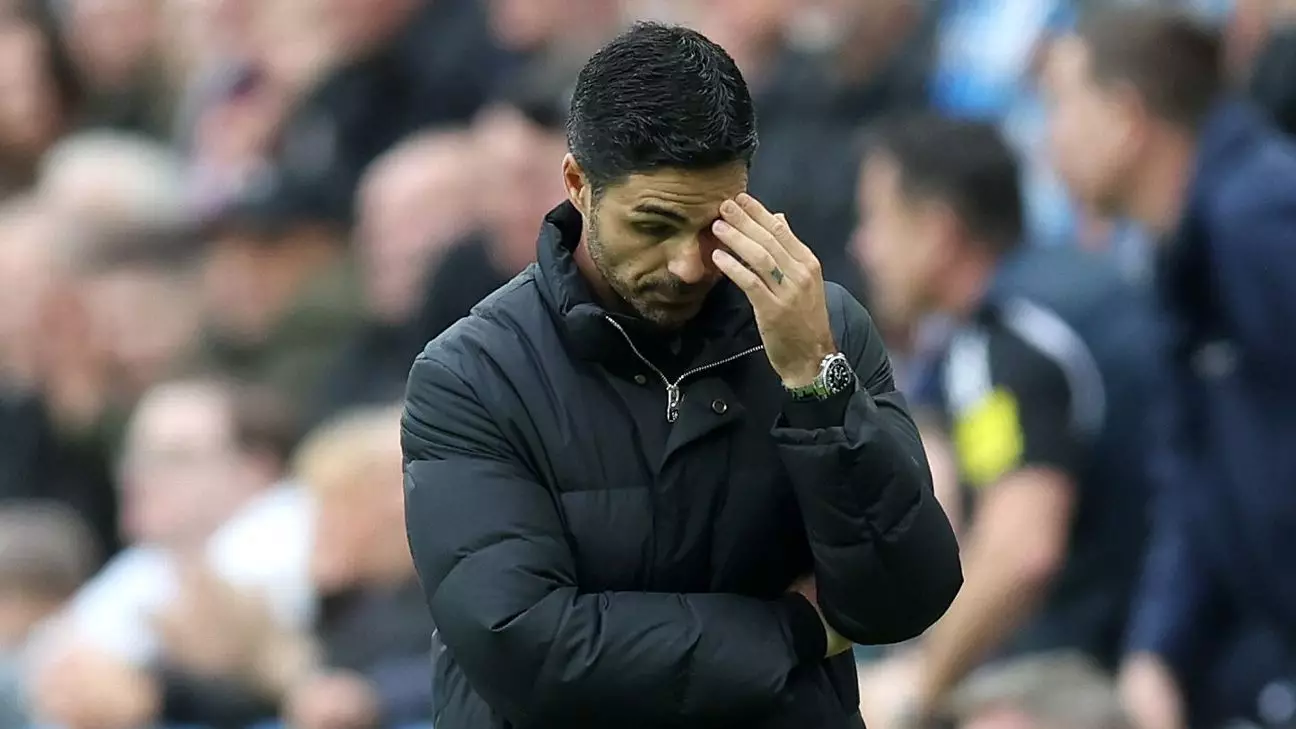
Mikel Arteta, the Arsenal manager, faced the media following his team’s 1-0 defeat against Newcastle and refrained from offering excuses. He acknowledged that his squad had been entangled in a contest that did not suit their style of play. Arteta admitted the opposition had outworked and outmuscled his players, a realization that could resonate with those who think skill often trumps toughness in football. Although injuries impacted Arsenal’s lineup, Arteta’s reluctance to diversify his squad’s rotation is becoming increasingly apparent, especially as the season progresses and fatigue becomes a critical issue.
In discussing Arsenal’s tactical approach, it’s essential to scrutinize how the team handled Newcastle’s threats. Although the Gunners posed more shots and produced higher expected goals, their performance lacked the requisite intensity and adaptability. The failure to execute their game plan effectively exposed vulnerabilities against a physically adept Newcastle side. Arteta’s acknowledgment of the defeat reflects a mature understanding of tactical nuance, but it also raises concerns regarding his team’s depth and coverage of positions, particularly given the ongoing injury crisis.
The departure of sporting director Edu, a close ally to Arteta, adds another layer of uncertainty to the unfolding narrative at Arsenal. Stability at the club could be threatened, and the looming changes could have implications on transfer strategies and overall team morale. Without adequate squad rotation—especially amid a demanding calendar—Arsenal risks becoming predictable and vulnerable as the competition escalates.
In Bundesliga action, Bayern Munich continued to build momentum with their third consecutive victory, moving three points clear of their nearest rivals. The Bavarians showcased their attacking prowess, notably with Harry Kane’s impressive scoring form, while central defenders Min Jae Kim and Dayot Upamecano underwent moments of resurgence, further solidifying Bayern’s tactical stability. Their ability to recover from earlier debacles is commendable and highlights a critical aspect of a successful campaign: consistency.
Across the border, in LaLiga, Barcelona reaffirmed their dominance by effortlessly dispatching local rivals Espanyol. This victory extended their lead to nine points atop the league standings, illustrating their control and effectiveness. The tactical acumen displayed by manager Xavi and the seamless interplay among players reflect a collective understanding built over time. This cohesion is pivotal, particularly in high-stakes moments and local derbies, and will be vital as they navigate through the season.
In Serie A, the contrasting fortunes of clubs like Napoli and Atalanta have set an intriguing narrative. Napoli’s coach Antonio Conte admitted the superiority of Atalanta, emphasizing the importance of club mentality over mere talent. Despite having revitalized the squad, with similar performances to previous years, Napoli’s inconsistency remains an ongoing concern. Meanwhile, Atalanta continues to rise, driven by the harmony between coaching philosophy and player execution that distinguishes them in competitive spheres.
Consistency breeds confidence and ultimately yields results. Atalanta’s grasp of this principle under Gian Piero Gasperini is commendable, especially as the club navigates the complexities of Serie A. Such insights into the team dynamics across Europe shine a light on the underlying factors that propel clubs toward success or hinder their potential.
Across the European landscape, the challenges faced by top clubs vary, but one theme stands out: the need for balance between squad rotation and maintaining competitive intensity. For example, Liverpool’s early struggles against Brighton illustrated the physical toll on players participating in Champions League fixtures. Slot’s grasp of player management will be tested as the season continues, and the importance of a fully fit and versatile squad becomes paramount in title races.
Ultimately, this weekend encapsulated the highs and lows of European football. While clubs like Bayern Munich and Barcelona exuded confidence through their performances, others, such as Arsenal and Napoli, grappled with self-reflection and strategic recalibration. As the marathon of the season marches on, how these clubs adapt to the unpredictable ebbs and flows will define their journeys toward glory—or mediocrity.