
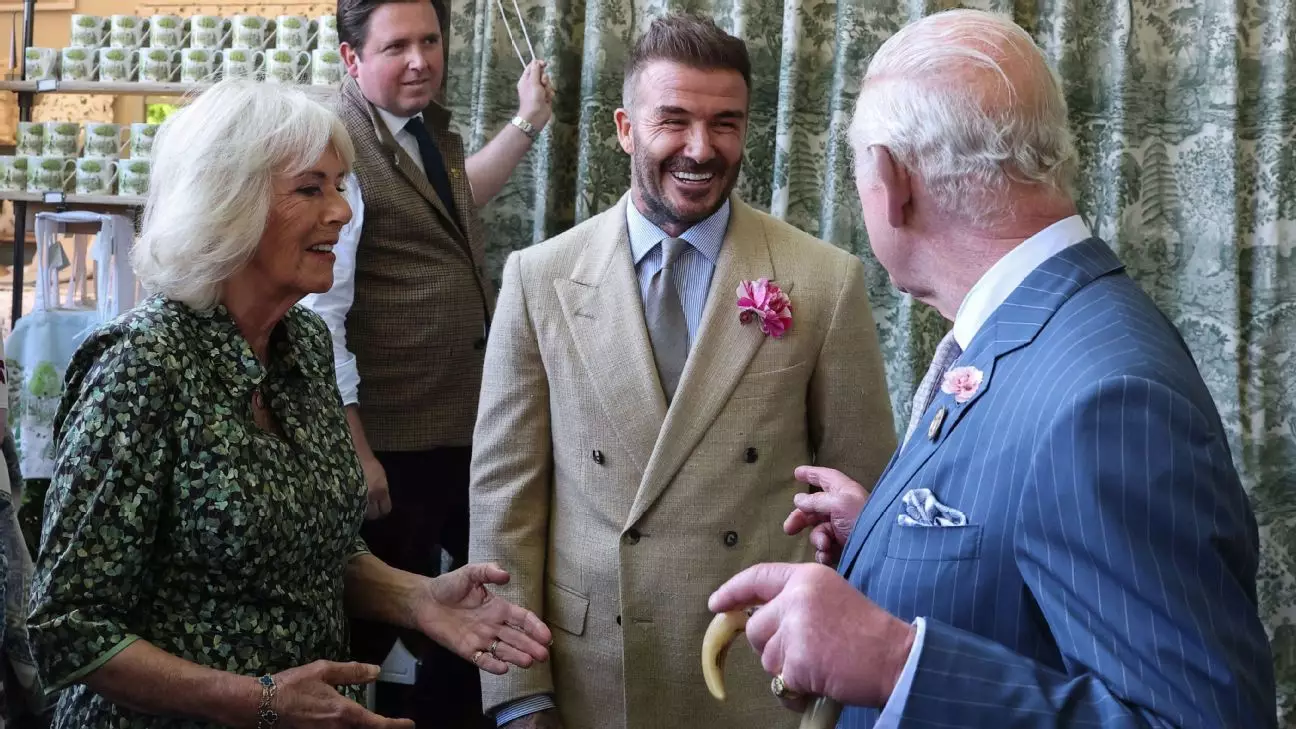
The announcement of David Beckham’s knighthood in King Charles’ Birthday Honours list is a landmark moment not only for the footballing world but also for the realm of philanthropy. The laudation, recognizing Beckham for his extensive contributions to both sports and charity, signifies closure on a long journey rife with ups and downs. Beckham has been a household name since the late 1990s, and this accolade feels like a natural culmination of a career marked by raw talent, relentless work, and genuine humanity. While many sports icons have received this prestigious honor, Beckham’s knighthood resonates deeply given the cultural phenomena he has sparked both on and off the pitch.
A Dual Legacy: Sporting Greatness and Charitable Impact
Beckham’s legacy extends far beyond the football field. While he earned 115 caps for the English national team and is celebrated for being the only English player to score goals in three different World Cups, it’s his post-football contributions that truly define him. Since 2005, he has been a dedicated ambassador for Unicef, transcending sport to advocate for children’s rights across the globe. Moreover, his role as an ambassador for The King’s Foundation since 2024 showcases a commitment to not just sports but to embodying a moral compass for future generations. In Beckham’s own words, representing Britain and working with organizations that serve communities in need has provided “so much fulfilment.” This sense of fulfillment reflects a humility often absent in modern celebrity culture, demonstrating that Beckham understands the weight of his platform.
A Journey of Persistence
While the knighthood is undoubtedly a highlight, Beckham’s quest for this honor has not been without its obstacles. His initial consideration for a knighthood in 2011 ended in disappointment, largely due to an alleged tax avoidance scheme. Such setbacks highlight the scrutiny that public figures face, and serve as a reminder that reputation can be fragile. When leaked emails in 2017 hinted at Beckham’s frustration with the honours system, the situation further complicated his relationship with the establishment. Yet, rather than allowing these challenges to define him, Beckham took them in stride as part of a greater journey—a journey that ultimately culminates in this recognition that he has long desired.
The Cultural Icon
Beckham is not merely a footballer; he is a cultural movement. His influence extends into fashion, lifestyle, and even business. He has successfully managed to stay relevant in an ever-changing societal landscape, transitioning from the football pitch to global ambassador, entrepreneur, and media personality. Through his endeavors with Inter Miami CF and numerous fashion campaigns, Beckham continues to redefine what it means to be an athlete in today’s world. The blending of sports with marketability may have started with him, setting a benchmark that countless athletes of today aspire to emulate.
In the Footsteps of Giants
Beckham’s name now shares illustrious company among other sporting legends, many of whom also received honors this year. Figures like Olympic gold medalist Alistair Brownlee and tennis icon Virginia Wade further emphasize the diversity of achievement recognized by the monarchy. However, while their contributions to sports are noteworthy, Beckham’s unique blend of artistry in football and philanthropy sets him apart. He is a storyteller in his own right, using his narrative to inspire others, both in his home country and internationally.
Through his enduring impact, Beckham becomes a beacon of hope for aspiring athletes who dream of achieving greatness while giving back. His journey reminds us all that whether on the field or in our communities, the impact of one individual can ripple through generations. As Beckham himself stated, the work he does gives him immense fulfillment, and to be honored for that work is equally heartwarming and deserved.