

Leeds United’s decision to secure Noah Okafor from AC Milan marks a decisive effort to bridge the gap between their recent promotion and sustained top-flight success. With a club-record investment that could reach £18 million, this move underscores a clear strategic intent: compete aggressively and craft a cohesive, versatile attacking unit. Okafor’s acquisition is not just about adding another player; it’s about embedding a multi-dimensional threat that aligns with the club’s forward-looking ambitions. At 25, Okafor possesses a blend of experience and potential, having demonstrated his ability to adapt across different European leagues and roles, offering Farke a flexible attacking asset capable of filling multiple gaps.
This signing signals a shift in Leeds’ recruitment philosophy—favoring players with proven European pedigree and versatility over the more habitual reliance on British-based talent. It also highlights their willingness to invest heavily early in the transfer window, emphasizing the importance of rebuilding a squad capable of enduring the rigors of Premier League competition. Leeds’ recent infusion of approximately £92 million into new signings reflects a confident organizational stance: the club is serious about solidifying its position amid the league’s elite.
A Strategic Realignment and Its Implications

Adding Okafor appears to be a calculated counter-move in the ongoing transfer saga, especially with Leeds cooling interest in Manor Solomon. The club’s focus seems to be consolidating its attacking options, possibly aiming for a squad that can operate fluidly across multiple positions. Okafor’s abilities to serve as a winger or central striker mean Farke can finely tune his tactical approach without the need for constant reshuffling. This flexibility could prove crucial given the unpredictable nature of the Premier League schedule, where squad depth and adaptability often determine success.
Furthermore, the move suggests a subtle shift away from reliance on loan signings and short-term solutions. Instead, Leeds is building a foundation of players with substantial experience and proven scoring records—Okafor’s tally of 34 goals with Salzburg and recent impact at Milan and Napoli indicate his goal-scoring instincts and resilience. The club’s interest in further bolstering attacking options, possibly through additional signings, shows a proactive approach rather than reactive improvisation. It’s a philosophy that embraces bold investments, underlining a desire to transcend mere survival and aim for tangible progress in the Premier League.
Market Dynamics and the Future Outlook for Leeds United
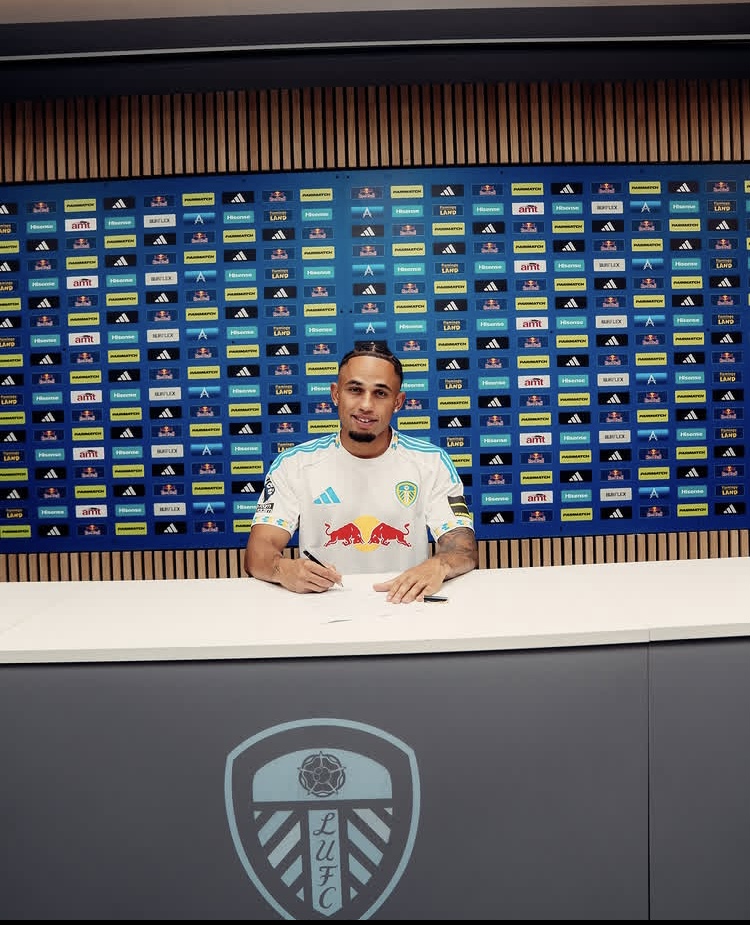
Leeds’ aggressive transfer activity this summer signals an intent to redefine their market stature, leveraging strategic signings like Okafor as proof of serious upward momentum. This approach isn’t just about immediate results but about establishing a new identity—one rooted in strength, versatility, and ambition. The club’s willingness to spend, coupled with Farke’s expressed desire for further additions, indicates a long-term blueprint that prioritizes building a competitive, resilient squad.
For Okafor, this move can be viewed as a platform for rejuvenation and growth. His experiences across Switzerland, Austria, and Italy make him a seasoned contender who can add depth and unpredictability to Leeds’ attack. It’s also a chance for him to showcase his talents on a larger stage, aligning personal ambition with the club’s vision. Given the high stakes in modern football—where financial investments are closely tied to on-field success—the significance of this signing extends beyond mere numbers. It symbolizes Leeds’ unwavering commitment to re-establish themselves as a formidable Premier League force, ready to challenge and adapt in one of world football’s toughest leagues.