
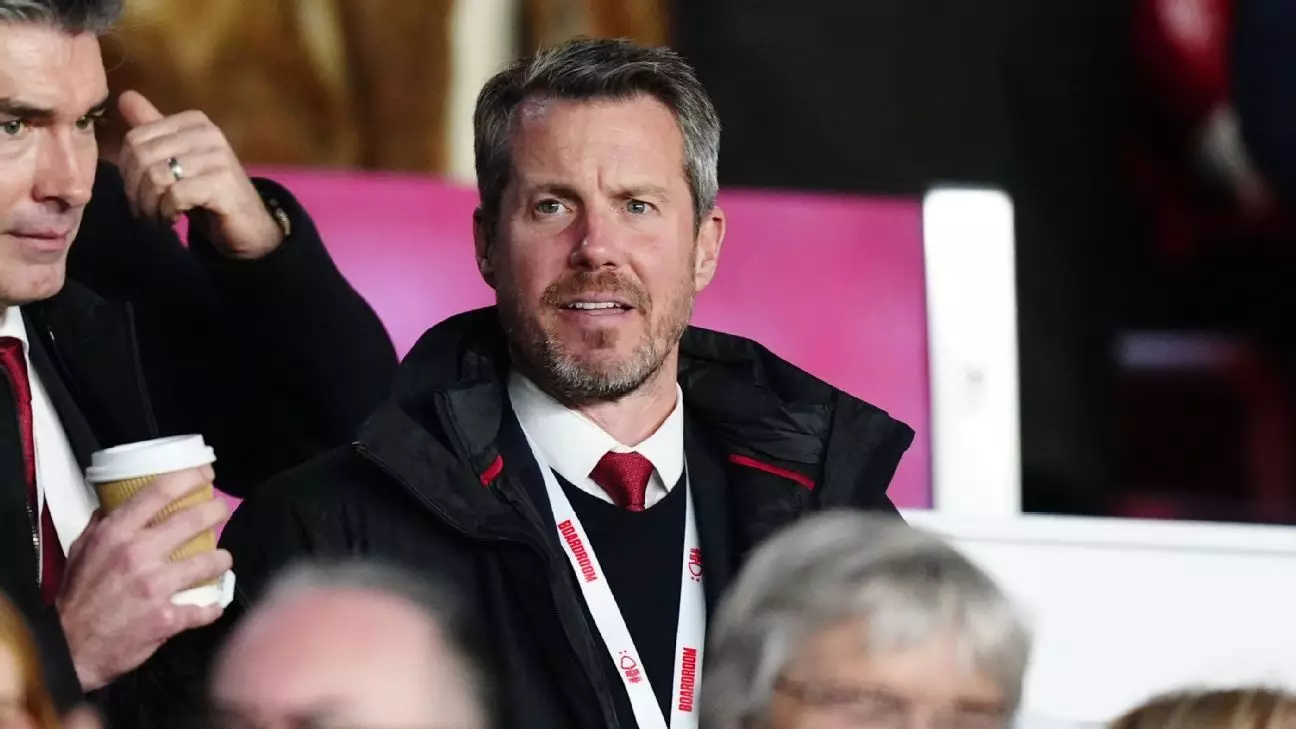
Liverpool Football Club, historically renowned for its storied success and measured transfer strategies, is embarking on a new chapter marked by substantial financial commitment. The recent transfer window signals a deliberate shift in club philosophy, with a willingness to spend big to sustain competitive excellence. CEO Billy Hogan underscores this evolution, emphasizing that the club’s recent investments are the result of years of strategic planning rather than impulsive spending. This shift reflects Liverpool’s aspiration to operate as a contemporary global football powerhouse, aligning with their historical stature, but adapting to the highly commercialized landscape of modern football.
This transition is not merely about throwing money at transfers but about adopting a calculated approach to build a squad capable of competing at the highest level year after year. Historically cautious, Liverpool now aims to strike a balance between financial sustainability and ambitious signings. The club’s willingness to make big-money moves signals a confidence in their long-term vision—leveraging commercial revenues, global branding, and on-field success to fuel their growth. It’s a bold statement: Liverpool recognizes that in today’s game, being a major player requires more than tradition; it demands strategic investment.
Strategic Spending and Sustainable Growth
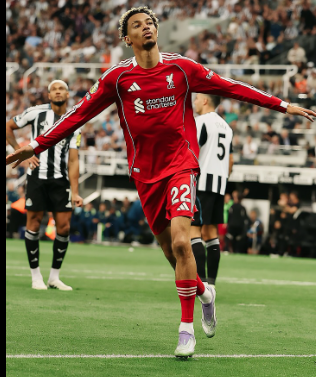
Liverpool’s recent expenditure—approximately £300 million across this transfer window—marks a departure from its conservative roots. The club’s management emphasizes that this approach isn’t reckless but a calculated component of their broader organizational blueprint. Hogan highlights that years of building the “virtuous cycle” of revenue generation—through consistent on-field success, global marketing, and expanding fan engagement—have paved the way for these investments.
The club’s financial model is rooted in sustainability, with outgoing transfers contributing around £64 million. This balance suggests Liverpool is not simply spending to impress but making strategic moves aimed at substantial squad reinforcement. The acquisition of Hugo Ekitike from Eintracht Frankfurt for over £79 million exemplifies their willingness to target promising talent capable of making an immediate impact, reflecting confidence in their scouting and development systems.
Critics may argue that such a colossal outlay could tip the club’s financial stability, but Liverpool’s management believes their approach is rooted in long-term growth rather than short-term fame. These investments aim to elevate the club’s global status, attract star players, and ensure that Liverpool remains competitive for years to come. It’s an acknowledgment that the modern football landscape demands a proactive, rather than reactive, approach to squad enhancement.
Ambitions Beyond Domestic Success
Liverpool’s ambitions extend beyond the football pitch. The club’s intention to elevate its global brand is evident in their strategic marketing and international fixtures. Following their recent league title, the club seeks to replicate this success by investing in star quality both on and off the field. As Hogan notes, Liverpool aims to fill stadiums worldwide, appealing to a global fanbase in Asia, North America, and beyond.
Upcoming fixtures in Hong Kong and Yokohama symbolize this international outreach, emphasizing the club’s desire to be known not just as a historic English club but as a global sporting force. The club’s ambitions are strategic: to sustain their status as one of the world’s biggest football brands while maintaining the integrity and values that have historically defined Liverpool.
This boldness reflects a broader truth: modern clubs must think globally and act decisively. Liverpool’s recent transfer spree, although contentious to some traditionalists, signals a clear message of intent. They are not resting on their laurels but actively shaping their future—one where financial muscle and strategic vision intersect to recreate the club as a dominant force in both English and global football.