
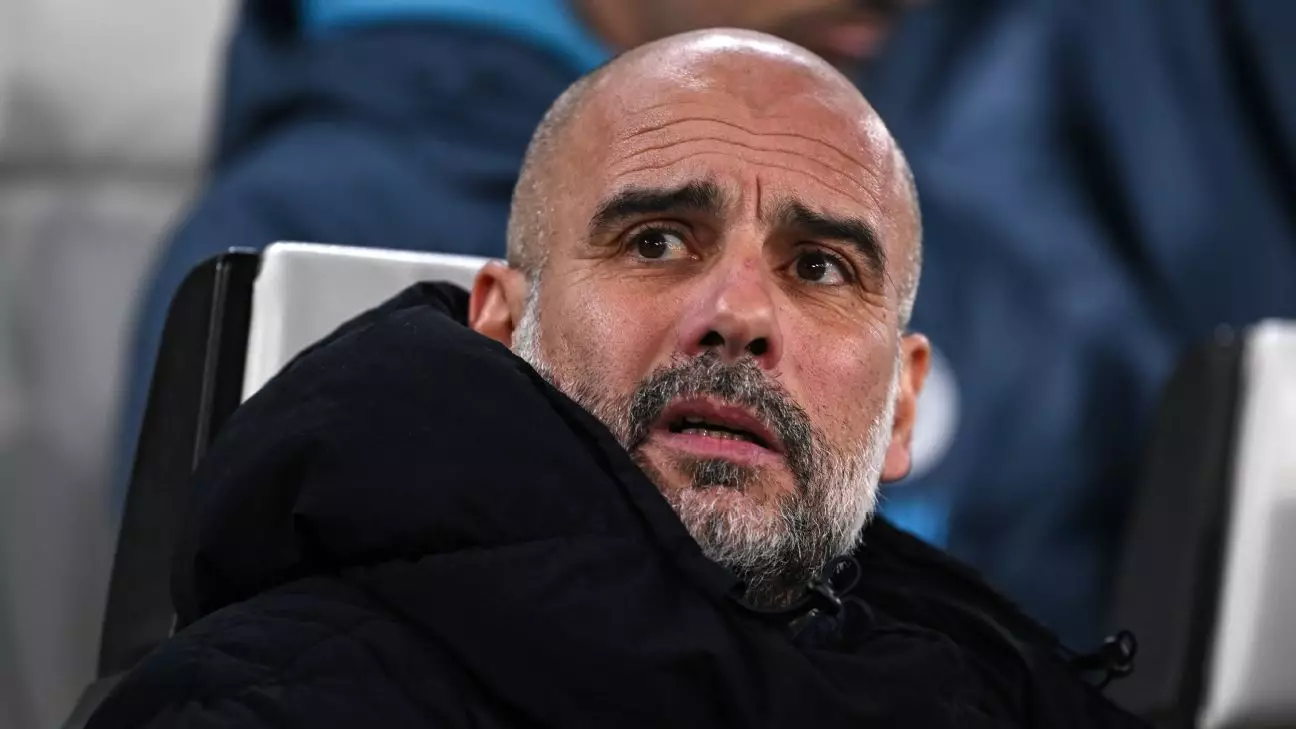
Manchester City’s manager, Pep Guardiola, is in a precarious situation as his team grapples with an alarming decline in form. Following a series of disappointing results—including seven losses in just ten matches—questions about the squad’s competitiveness have intensified. The recent defeat to Juventus in the Champions League has further exacerbated concerns, putting additional pressure on Guardiola ahead of a vital derby against Manchester United. It is evident that Guardiola acknowledges the need for improvement, and the prospect of January reinforcements is now on the agenda.
Reports suggest that City is actively exploring potential signings, highlighting interest in players like Martín Zubimendi and Bruno Guimarães as key targets for the impending transfer window. This indicates that the club’s hierarchy remains committed to supporting Guardiola amid a turbulent phase. However, the move to the market raises questions about the long-term strategy of the club. Will these acquisitions address the underlying issues, or are they merely short-term fixes? This discourse underscores the complexities of modern football, where immediate results often take precedence over sustainable development.
On the financial front, Manchester City has reported impressive figures, including record revenues of £715 million and a transfer profit of £139 million. These figures may suggest a robust financial health, yet Guardiola’s remarks remind fans that financial freedom does not equate to unlimited spending capabilities. The stark reality of the transfer market is that prices have skyrocketed, and acquiring new talent remains a balancing act of resource management and strategic planning. Guardiola’s emphasis on the importance of sustainability reflects the evolving landscape of football finances, where clubs must tread carefully to avoid fiscal pitfalls.
Despite the looming possibility of new players, Guardiola’s desire is clear: he yearns for the return of his original squad members who started the season. His emotional appeal for the existing players showcases a belief that the current group possesses the capability to turn the season around if provided with the right support and conditions. For Guardiola, reinforcements are not just about adding fresh talent but rather revitalizing a squad that has proven its mettle in the past.
As Manchester City prepares for an essential derby clash against Manchester United, the dynamics of this encounter may define not only the immediate future of Guardiola’s side but also the club’s overall trajectory this season. A positive result could offer a much-needed boost to morale and instill confidence, potentially reducing the urgency for new signings. Conversely, another setback may escalate calls for immediate intervention in January.
While the January transfer window opens up opportunities for Manchester City, the focus should remain on fostering a winning mentality and ensuring that the squad can reclaim its competitive edge. The path forward is uncertain, but the potential for recovery remains if the right decisions—both on and off the pitch—are made.