
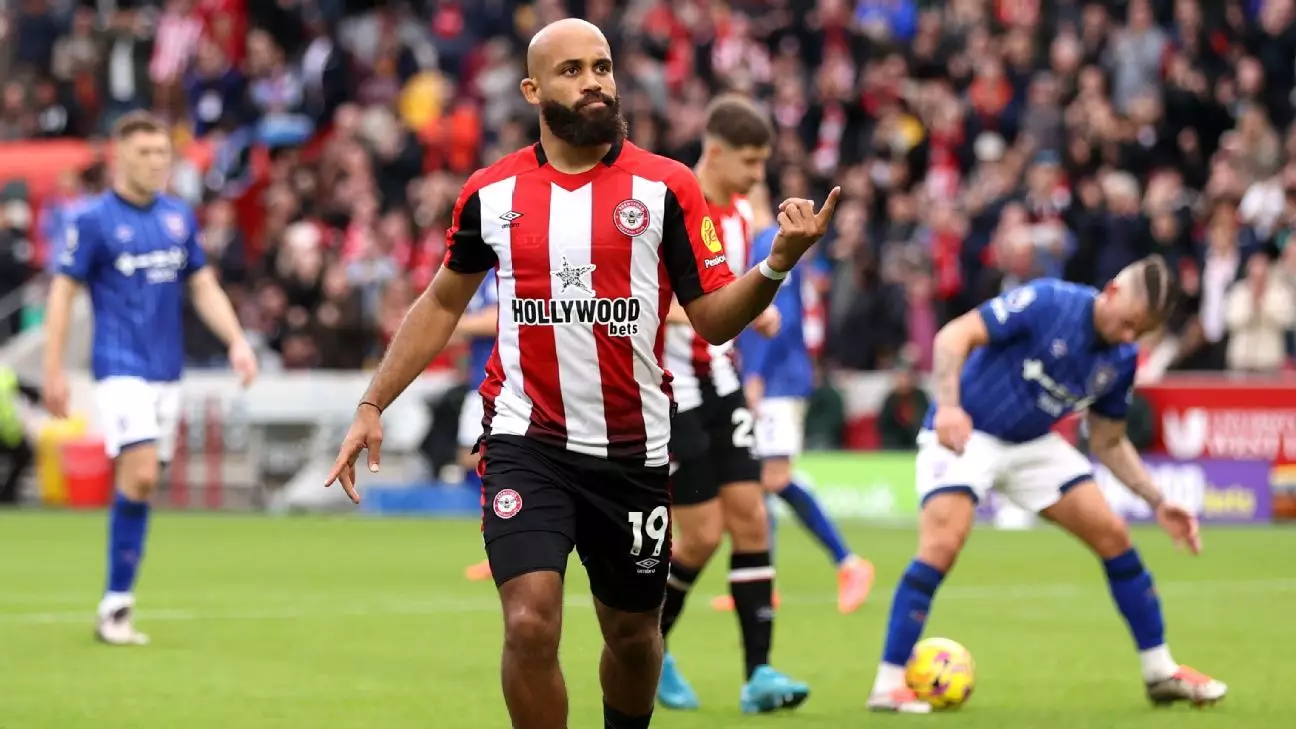
Manchester United’s pursuit of Bryan Mbeumo signals a deliberate push to elevate their offensive options and embrace a more dynamic, versatile style of play. The club’s willingness to shell out over £70 million underscores their belief that Mbeumo can be a game-changer — a player capable of injecting pace and creativity into the frontline. This acquisition is not merely about filling a positional gap; it reflects a broader strategic shift aimed at revitalizing United’s attacking repertoire, especially as they prepare for a new season under the watchful eye of Erik ten Hag.
From a tactical standpoint, Mbeumo’s arrival suggests that United recognize the need for greater intensity and unpredictability upfront. His blend of quick dribbling, intelligent movement, and finishing ability aligns with the modern Premier League’s demands. The signing also hints at an evolving approach that might leverage Mbeumo’s agility and pace to stretch defenses and create more goal-scoring opportunities. It’s a bold statement — United is clearly committed to transforming its attack into a more potent and multifaceted unit, willing to invest heavily to achieve that vision.
Building Momentum Through Key Summer Signings
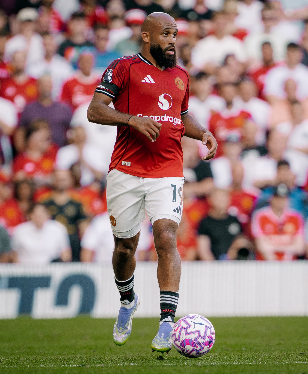
The deal for Mbeumo comes on the heels of their significant summer transfer of Matheus Cunha from Wolves for £62.5 million. Cunha’s inclusion indicates United’s strategic focus on bolstering their attacking depth and versatility. These high-profile signings reflect a clear intent — to inject fresh energy and reinforce their squad with talented players who can adapt to multiple roles on the pitch.
Yet, while these acquisitions are promising, they also expose the club’s reliance on new players to immediately impact performance, potentially overshadowing internal development or tactical cohesion. Still, the decision to invest heavily indicates a desire to compete fiercely on multiple fronts, including the Champions League and Premier League, without the stagnation that often hampers historically successful clubs. It’s a gamble rooted in optimism — a belief that these signings will catalyze a new era of success.
Uncertainty Surrounding Key Players and Broader Implications
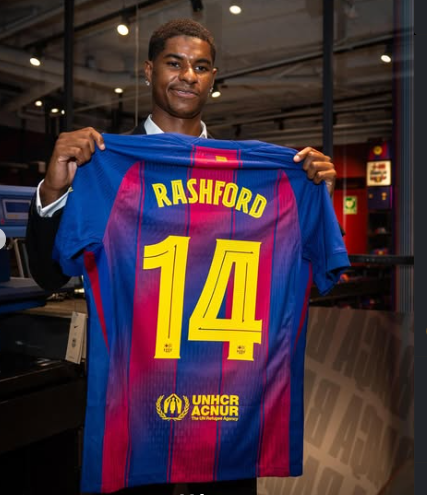
While the club ramps up its preparations, uncertainty looms over key figures like Marcus Rashford. With reports suggesting he might be on the verge of a loan move to Barcelona, Manchester United is navigating the delicate balance of squad stability and strategic overhaul. Rashford’s potential departure could be both an opportunity and a challenge; losing their top scorer would be a blow, but it might also pave the way for other emerging talents to step into more prominent roles.
Moreover, the departure of a player of Rashford’s caliber underscores the club’s necessity to diversify its attacking threat. This further emphasizes the importance of the Mbeumo signing — a player with the potential to fill that gap and even exceed expectations. United’s proactive measures in the transfer market suggest a confidence in their blueprint, though it remains to be seen whether these bold steps will translate into tangible success on the pitch.
The Road Ahead: High Stakes and New Ambitions
As Manchester United prepares for their preseason journey to the United States, the club positions itself at a pivotal juncture. The upcoming matches in Chicago, New York, and Atlanta will serve as vital testing grounds for their new signings and tactical adjustments. The arrival of Mbeumo, coupled with their aggressive transfer strategy, indicates an unwavering ambition to reclaim dominance.
Overall, United’s transfer activity reveals a clear message — they are not content with past mediocrity. Instead, they are aggressively reshaping their squad to meet modern football’s demands. Whether this gamble will yield immediate success remains uncertain, but it undeniably signals a club in rapid transition, eager to reignite its legacy with strategic, high-impact signings.