
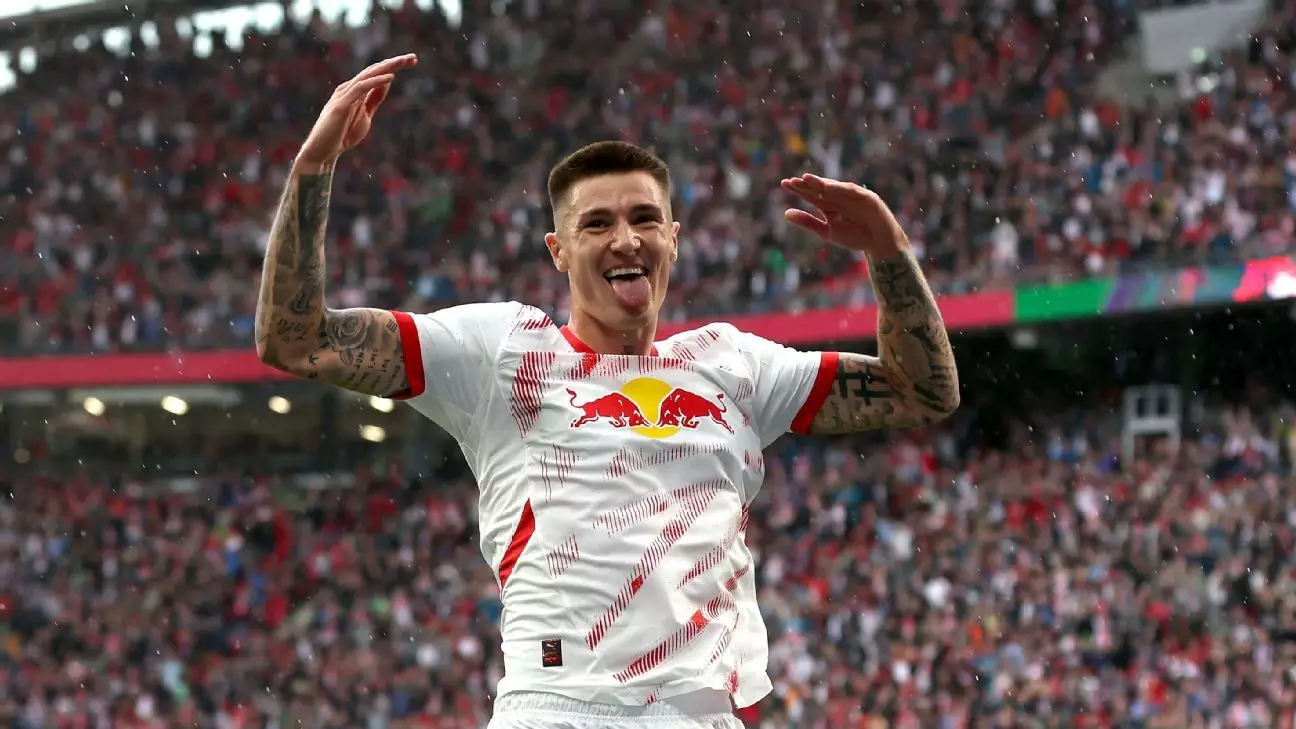
In recent years, Newcastle United has transformed from a mid-table club into a competitive force evident by their aggressive transfer negotiations and financial commitments. This shift signals a strategic pivot that emphasizes quality over quantity, aiming to elevate the team’s stature on the European stage. Their latest pursuit of Benjamin Sesko reflects a broader ambition: to challenge the European elite with a squad built around star power, tactical flexibility, and long-term vision. Unlike a few years ago when the club’s transfer activity was modest, this aggressive approach demonstrates a clear intent to cement their place among Europe’s top clubs, leveraging their newfound financial muscle to attract young, high-caliber talents.

Eddie Howe’s management style shows a nuanced understanding of the delicate nature of modern transfers. His reluctance to delve into specifics about individual targets highlights the importance of maintaining strategic ambiguity in a competitive marketplace. Howe’s comments indicate that Newcastle is not merely chasing big names for the sake of headlines but is meticulously assembling a squad tailored to their philosophy. The club’s focus on “quality over quantity” underscores a disciplined approach, ensuring that each signing aligns with their long-term plan. Moreover, Howe’s openness about the uncertainties – such as missing out on other targets or waiting for the right deal – reveals a willingness to adapt and prioritize stability amid the chaos of transfer windows.
The Unfolding Saga of Alexander Isak and the Future of Newcastles’ Attack
The situation surrounding Alexander Isak encapsulates the unpredictable nature of football transfers today. A promising talent, Isak’s case exemplifies how player unrest, club negotiations, and external factors can intertwine to create a complex narrative. Newcastle’s efforts to retain him reflect their strategic intent to build a resilient attacking core, yet external interest from clubs like Liverpool and Manchester United complicate matters. Howe’s comments show a mix of support and frustration, hinting at internal frustrations with player management and club communication dynamics. This saga exemplifies how modern clubs are caught in a web of negotiations, media speculation, and player agency, often making stability an elusive goal. It is telling that Howe found out about the player’s activities through the media – a reflection of how fragmented communication can disrupt team cohesion.
The Sesko Pursuit: A Sign of Strategic Acumen

The bid for Benjamin Sesko illustrates how Newcastle leveraging smart scouting and financial strength can secure promising young talent. Estimated bids in the region of €75 million demonstrate a willingness to invest heavily in emerging stars, signaling their intent to challenge traditional powerhouses. This move should not be seen purely as a financial gamble but as a calculated decision rooted in the club’s vision of building a formidable future. Sesko, still only 22, embodies raw potential and adaptability, qualities that align with Howe’s preference for youth and flexibility. Their approach shows a sophisticated understanding that football’s future lies with dynamic, energetic players capable of growing alongside the club.
Analyzing Their Competitive Edge in the Market
Newcastle’s transfer strategy highlights a broader trend in elite football: a shift towards proactive, well-funded negotiations focused on acquiring promising talents before they hit peak value. Their willingness to spend significant sums, coupled with a nuanced understanding of market dynamics, positions them as a formidable contender in the race for top-tier targets. The club’s ability to adapt quickly, even amidst a challenging summer filled with missed targets and external pressure, suggests a resilient and progressive mindset. This approach—balancing patience with aggressive pursuit—could redefine how Premier League clubs strategize their recruitment efforts, elevating Newcastle from a club of mid-tier aspirations to one capable of challenging the established order.
Beyond mere financial prowess, Newcastle’s tactical and strategic foresight is what distinguishes them from rivals. By investing in young, versatile players like Sesko, and demonstrating unwavering resolve to secure these talents despite fierce competition, they signal that this is a club on a calculated mission to grow organically into a European powerhouse. Their actions reflect not only ambition but a sophisticated understanding that success in modern football is a blend of financial muscle, shrewd recruitment, and relentless resilience.