
Paris Saint-Germain’s conquest of the Champions League marked a historic milestone for the club, with a commanding 5-0 victory over Inter Milan. The achievement was celebrated globally, symbolizing PSG’s rise to European football dominance. Yet, beneath the jubilation lay a stark reminder that fan behavior can tarnish even the most glorious moments. The disparity between on-field excellence and off-field conduct exposes a deeper issue within the fabric of modern football — one that threatens the integrity of the sport’s reputation.
UEFA’s Swift and Stern Response
In response to the misconduct observed during the final, UEFA imposed nearly €150,000 in fines on PSG. This sanctions package underscores the governing body’s intolerance for disruptive fan actions, which include invading the pitch, damaging the playing surface, and displaying provocative banners. This disciplinary action reveals UEFA’s zero-tolerance stance, yet it also raises questions about the effectiveness of such penalties. Are fines enough to deter future misconduct when the spectacle of victory tends to overshadow such sanctions? The fact that some infractions, such as pitch invasions and turf destruction, occurred in the heat of celebration highlights the challenge of maintaining order during emotionally charged moments.
Higher Powers and the Irony of Alleged Bias
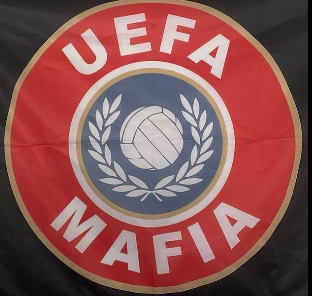
What complicates the narrative is the involvement of PSG’s leadership, particularly club president Nasser al-Khelaifi, who sits on UEFA’s executive committee. Despite this apparent conflict of interest, UEFA still undertook disciplinary proceedings, illustrating a desire to uphold institutional integrity. However, some critics argue that the use of terms like “UEFA Mafia” by PSG fans reflects a broader frustration with perceived biases and inconsistencies in UEFA’s enforcement. This persistent accusation of bias signifies a growing skepticism among clubs and fans alike, challenging UEFA’s authority and undermining its efforts to promote fair play.
The Cost of Celebration and the Need for Cultural Change
Beyond financial penalties, the incident ignites a deeper conversation about fan culture and responsibility. The destruction of turf and provocative banners not only damage UEFA’s reputation but also escalate fears of hooliganism and unruly behavior becoming normalized. PSG’s hefty €100,000 fine for these acts demonstrates UEFA’s recognition that rules must be enforced, but it also prompts a critical assessment of whether stricter measures, such as bans or more severe punishments, are necessary. Changing fan behavior requires education and a cultural shift that emphasizes respect for the sport, players, and fellow supporters.
Lessons for the Future
While PSG’s victory was deserved on the pitch, the off-field misconduct serves as a cautionary tale for clubs and governing bodies. It’s a stark reminder that success is threatened when fan actions overshadow athletic achievement. To preserve the magic of the Champions League, football authorities must go beyond punitive measures and foster a culture of accountability and respect. Without genuine change, the sport risks falling prey to behaviors that diminish its appeal, integrity, and value in the eyes of millions around the world.