
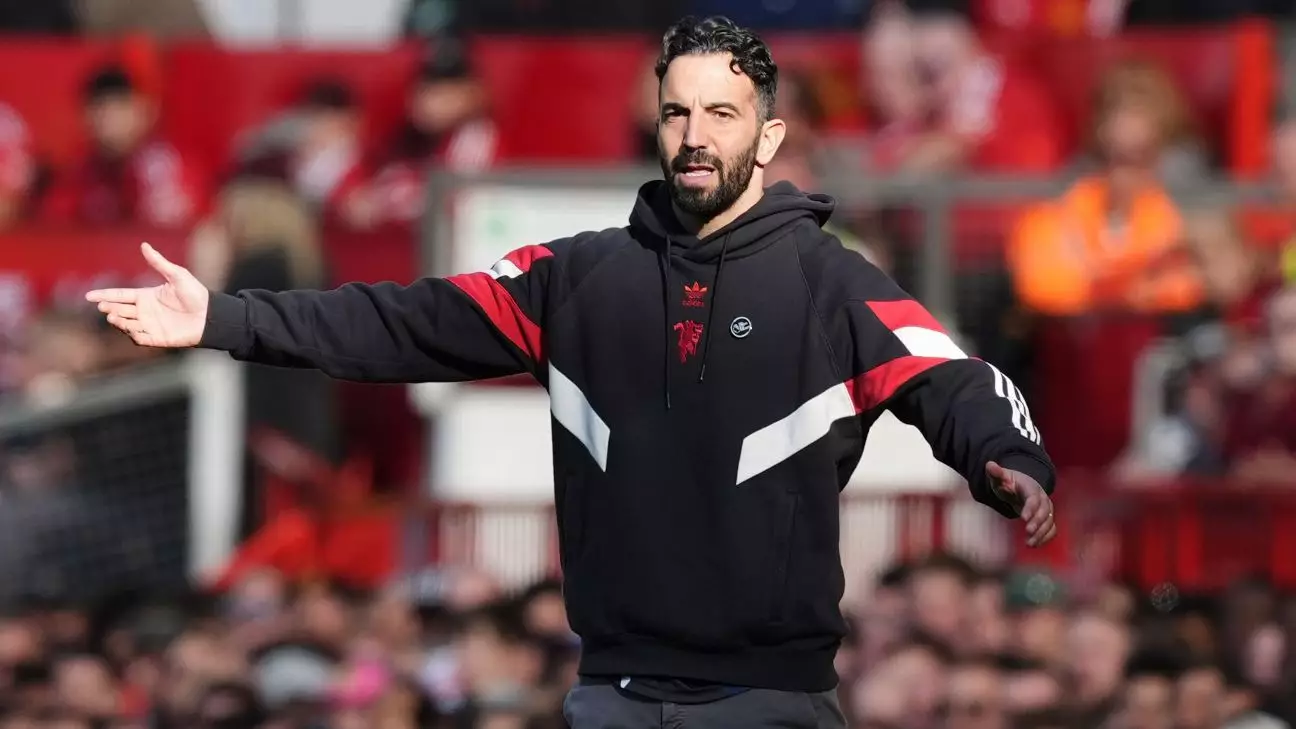
The recent Manchester derby, which concluded in a disappointing stalemate, has sparked a wave of criticism, particularly directed at the quality of football played. The lack of creativity on display during the match between Manchester United and Manchester City at Old Trafford has provided ample fodder for pundits, with Gary Neville leading the charge. As former United defender, Neville’s keen eye on team dynamics is commendable, yet, at times, his criticisms come across as harsh, especially when contextual factors are overlooked.
Amorim’s Insight: Context is Key
Ruben Amorim, the head coach for Sporting CP, offered a measured response to Neville’s tirade, pointing out that the broader context of the season should not be disregarded. In an era where the stakes are continuously high, the essence of football might often be diluted by fear of failure. Amorim’s analysis suggests that we should not judge a match solely on its immediate entertainment value but rather consider the players’ motivations and preparations. If teams are more focused on preserving their positions in various competitions rather than seeking a thrilling contest, then perhaps a 0-0 draw is indicative of tactical caution rather than a failure of spirit.
The Stagnation of Risk-Taking in Football
Neville’s lament about the apparent reluctance of teams to take risks resonates deeply within the modern football landscape. As he noted, the fear of making errors has led to a paradigm where teams prioritize structure and shape over flair and spontaneity. This cautious approach, while strategically sound for maintaining possession and minimizing defensive errors, often leads to matches that lack excitement—something that is symptomatic of a larger trend permeating football today. Clubs, especially those with a royal history like Manchester United, should aim to break free from this shackling mentality and reclaim their identity through brave, attacking football.
A Shift in Expectations
In the wake of such criticism, fans are left grappling with their expectations. On one side, there’s a thirst for the exhilarating football the Premier League has long been celebrated for; on the other, a pragmatic understanding that teams must often prioritize tactical goals over sheer entertainment, especially during challenging seasons. As Amorim pointed out, the relevance of context shouldn’t be underestimated. The high-stakes nature of competitions like the Europa League can push teams to alter their approach, perhaps sacrificing flair for results during pivotal moments in a season.
The Future Assignments: Beyond the Derby
Looking ahead, Manchester United’s upcoming fixtures will further test their resolve and commitment to attacking football. The match against Newcastle post-Europa League clash will serve as a litmus test for whether United can shed their inhibitions. Meanwhile, Manchester City, grappling with their own struggles, must find a way to reignite their attacking prowess to secure Champions League qualification. Both teams carry the weight of their storied legacies on their shoulders, and fans remain hopeful that the beautiful game will emerge triumphant from the shackles of caution. The ongoing dialogue surrounding these matches is a crucial component of the sport, one that should provoke thoughtful analysis and encourage a revival of the risk-taking spirit that defines the game.