
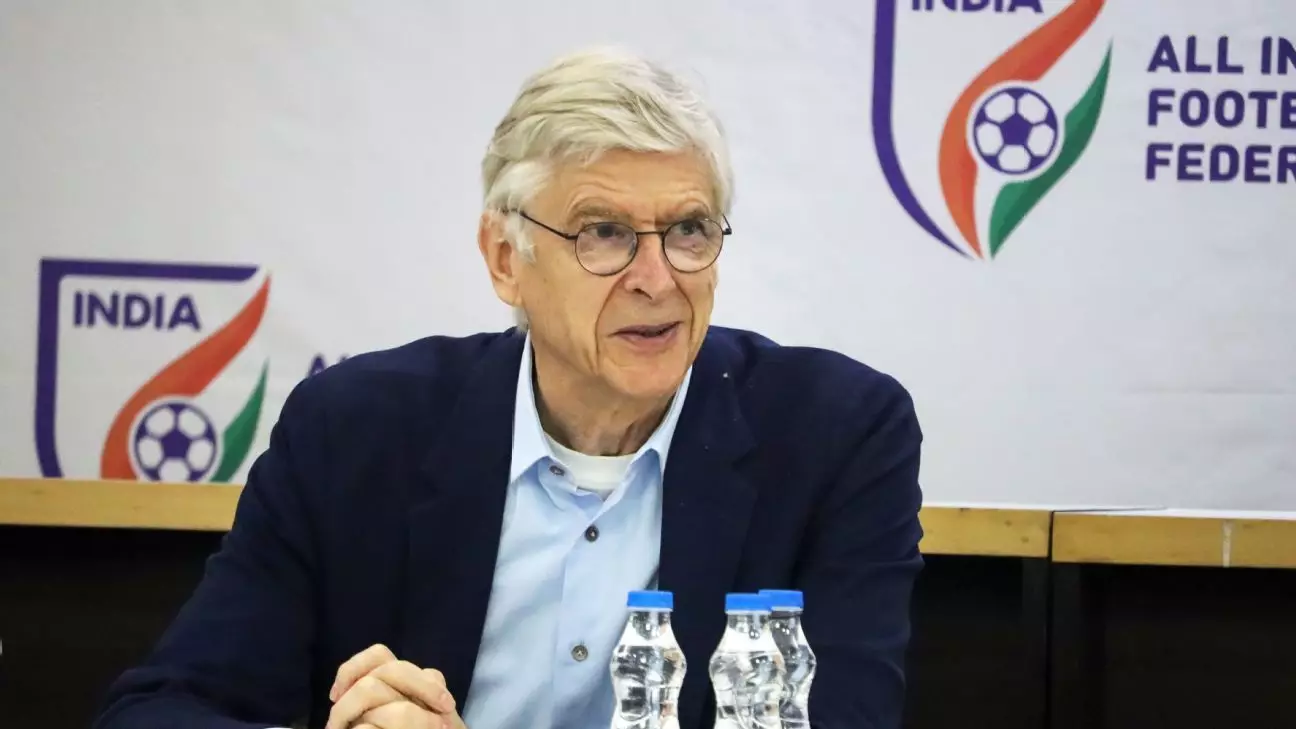
In a move signaling a commitment to player welfare, FIFA has announced plans for a task force led by Arsène Wenger, aimed at addressing the pressing issue of congested match schedules. The current football calendar, often viewed as overburdened, not only tires players physically but has increasingly raised concerns about mental health as well. The implications of this initiative could be substantial, potentially leading to restrictions on the number of matches players are required to participate in and enforcing mandatory breaks during the off-season.
This consultation marks a pivotal shift in FIFA’s approach, particularly following pressure from various stakeholders within the football world. The task force, which will comprise representatives from FIFPRO (the global players’ union), clubs, domestic leagues, and national federations, aims to create a more balanced framework for player participation. Given that the previous consultative committee was disbanded in 2021, this new formation presents a renewed opportunity for collaboration among different facets of football governance.
Reactions to FIFA’s Initiatives
FIFA faces mounting legal scrutiny regarding its management of competition calendars. A recent formal complaint lodged with the European Commission highlights the impact of FIFA’s expansions and the burgeoning number of men’s competitions on player workloads. These expanded schedules have raised alarms among players, with some threatening strikes to emphasize the urgency of their concerns. The introduction of this task force comes at a time when the players’ voices must be acknowledged, and it indicates a possible shift towards integrating player welfare into the operational decisions of the sport.
FIFA’s commitment is further reinforced by the inclusion of various stakeholder perspectives—medical, regulatory, and operational. This multi-faceted approach aims to ensure that recommendations developed by the task force are grounded in rigorous scientific research concerning player health. As global health concerns become more prominent within sports, the partnership between FIFA and the World Health Organization (WHO) is a relevant aspect of this undertaking, particularly focusing on the management of critical issues such as head injuries.
The Role of Wenger in Modernizing Football
Arsène Wenger, known for his revolutionary insights into football tactics and player development during his tenure as Arsenal’s head coach, has been at the forefront of global soccer development with FIFA since 2019. His leadership in this task force is crucial, as it instills confidence that progressive and scientifically informed strategies will guide the discussions. Wenger’s experience positions him uniquely to advocate for change that prioritizes not just performance on the pitch, but the holistic health of players.
As the task force is set to convene in the coming weeks, stakeholders are hopeful for actionable recommendations that will alleviate the current burdens placed on players. The prioritization of physical and mental health in the sporting arena, notably in football, is no longer an ancillary concern but a central focus for the future of the game. The outcomes of this initiative could redefine the landscape of professional football, ensuring a sustainable model that champions the welfare of its most critical assets: the players.