
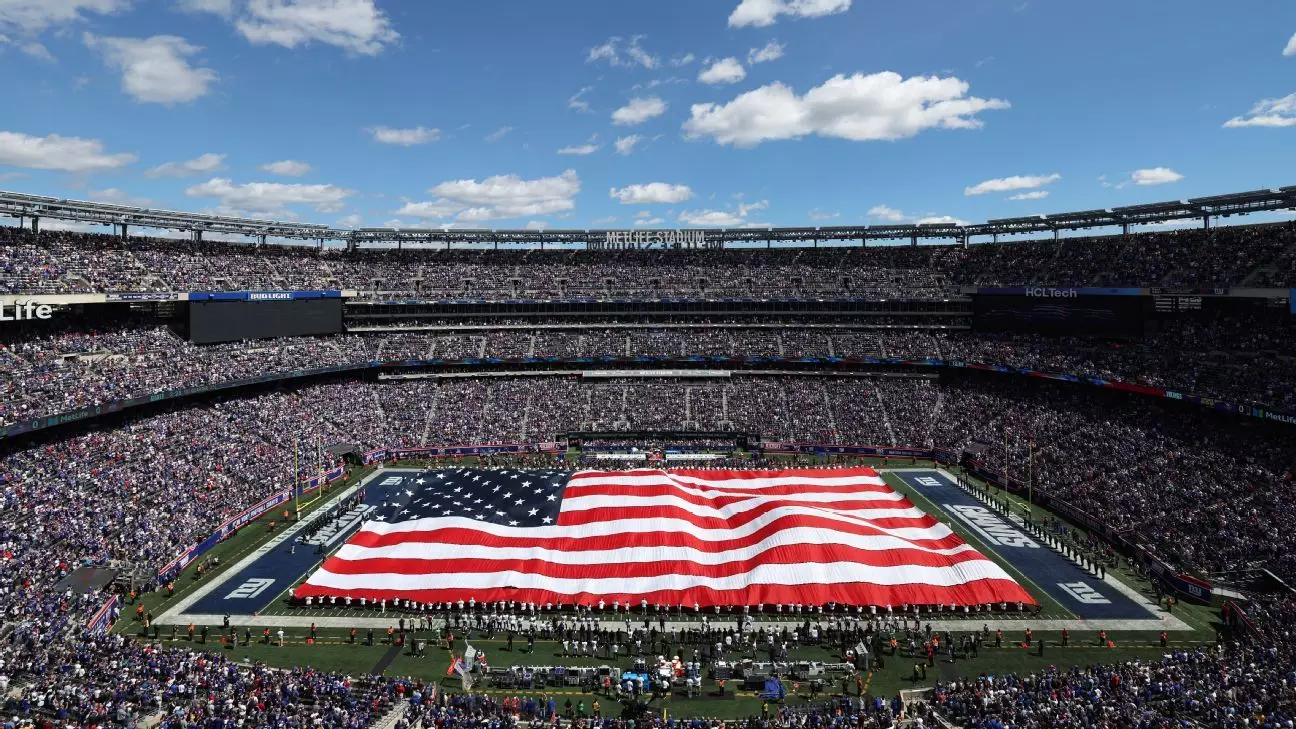
As the world gears up for the 2026 FIFA Men’s World Cup, a monumental shift in the event’s format is set to astonish fans and redefine the global football experience. FIFA president Gianni Infantino has announced that the final at MetLife Stadium will feature a halftime show akin to what we’ve come to expect from the Super Bowl. This noteworthy decision reflects a broader trend in major sporting events towards providing fans not just with the game but with an all-encompassing entertainment experience. The integration of a halftime show is intended to amplify the excitement surrounding the final, which is set to take place on July 19, 2026.
Infantino’s Vision for Spectacle
Infantino’s excitement is palpable as he heralds the introduction of a “list of artists” performing during halftime, a first for the World Cup. This move is emblematic of FIFA’s ambition to modernize and adapt to changing audience expectations. Although traditionalists might frown upon altering the customary strictures of the sport, the incorporation of entertainment serves to widen the event’s appeal. Just as the Super Bowl has become renowned not just for the football but also for its star-studded performances, FIFA aims to capture that same enthusiasm, generating a carnival-like atmosphere that engages fans who may not typically watch football.
Setting the Stage in New York City
The choice of MetLife Stadium, rebranded as New York New Jersey Stadium for the tournament, is strategic and deliberate. It magnifies the visibility of the event. Infantino also hinted at an electrifying Times Square takeover, promising an illuminating spectacle that will capture the spirit of one of the world’s most iconic hubs. By staging these events in such a globally recognized locale, FIFA positions the tournament as more than just sport; it becomes a celebration of culture and togetherness, drawing in tourists and locals alike.
Making History with Coldplay
The announcement that Coldplay will assist in producing the halftime show signals a commitment to high-quality entertainment. Collaborating with such globally recognized musicians underscores FIFA’s intent to elevate the halftime experience. Coldplay’s involvement suggests that the show may not only feature bustling performances but may also embrace visual extravagance, use innovative technology, and inspire emotional connections among diverse fanbases. This collaboration anchors the concept of a halftime show in artistry and performance that resonates deeply beyond the traditional confines of sports.
A Risk Worth Taking
Of course, there are valid concerns among purists who argue that the sanctity of the game should remain untouched. Questions persist regarding whether the standard 15-minute halftime will be sufficient for such an elaborate production. The integration of arts into sports isn’t new, and FIFA’s willingness to explore this area may very well pay off. Not only does it hold potential for enhanced fan engagement, but it may also stimulate economic activity in the region as the spectacle attracts a wider audience.
While skepticism exists, the 2026 FIFA Men’s World Cup promises to be a watershed moment for football. By bridging comprehensive entertainment with athleticism, FIFA is not just aiming to entertain; it’s on a mission to redefine the global sporting narrative.