
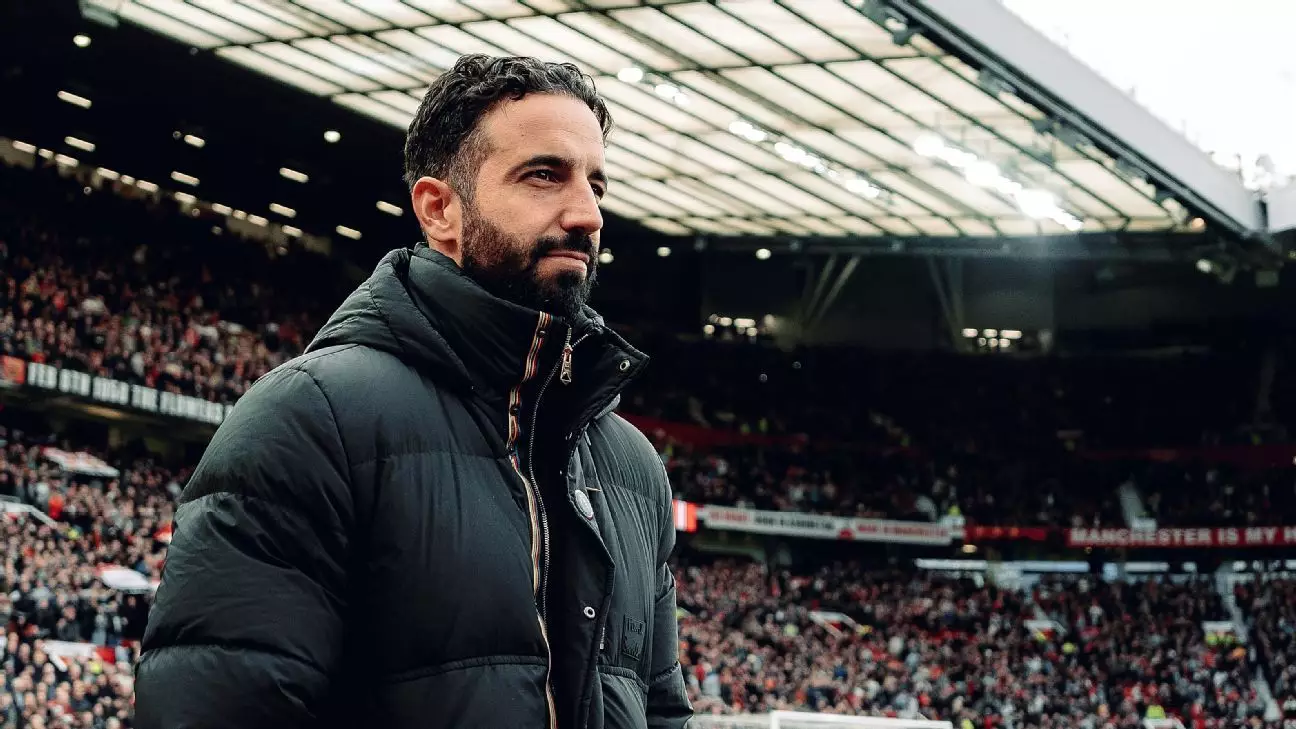
November generally casts a muted pallor across the north of England, but when Ruben Amorim arrived at Carrington, the picturesque training ground of Manchester United, the sun shone brightly, almost as if it were providing a warm welcome to the new head coach. This radiant arrival quickly gave way to the customary dreary weather of the season, which proved to be an apt metaphor for Amorim’s first month in charge. Instead of the bright prospects that first met him at the club, Amorim now faces a storm of challenges as he attempts to turn around a faltering team struggling under the burden of diminished expectations.
Challenges Piling Up
Within just a month of taking the reins from Erik ten Hag, Amorim has already encountered a cascade of issues: the sudden exit of sporting director Dan Ashworth, a contentious debate regarding the Premier League’s LGBTQ+ initiative, and the backlash over increased ticket prices by Sir Jim Ratcliffe. These developments are not merely administrative annoyances; they reflect deeper institutional challenges at a club that has faced scrutiny for its internal decisions in recent years. Compiling this list of external pressures, Amorim must tackle the more immediate problem of revitalizing a squad that has shown signs of complacency and poor performance on the pitch.
Amorim’s approach to coaching appears to diverge significantly from his predecessor’s philosophy. Understanding that time is limited in the chaotic footballing calendar filled with festive fixtures, he has opted for a vigorous focus on tactical sessions during the few moments available on the training pitch. Rather than merely adhering to traditional warm-ups, Amorim conducts detailed tactical walk-throughs in collective training environments. This collective approach underscores his intent to foster unity and shared responsibility amongst the players, distancing himself from the more individualized coaching styles that can sometimes breed disconnect within a squad.
Amorim’s commitment to teamwork was highlighted when he backed the players’ decision to forego wearing specially designed LGBTQ+ jackets ahead of a match against Everton, citing respect for their varied personal beliefs. While some might perceive this action as a risk, it reveals a leader who values group consensus over individual agendas—a refreshing take on modern football management that may serve to cultivate a more cohesive team.
At just 39, Amorim still carries the passion and relatability of a former player. Recognizing the importance of connection, he has made it clear that he believes in the potential of his squad—a sentiment he voiced unapologetically in his initial press conference. This proclamation serves a dual purpose: it establishes trust with the players while also challenging a cynical media landscape that can quickly dismiss talent when results falter. In contrast to Ten Hag, who wrestled with perceptions of detachment from the players, Amorim aims to build a bond steeped in mutual respect and camaraderie.
Interestingly, Amorim does not conform to the traditional routines of post-match reviews; he allows players the autonomy to gather and reflect independently before he re-engages the next day. This strategy indicates a shift in the coaching paradigm, focusing on empowerment rather than rigid control, which could prove to be crucial in rejuvenating a team low on confidence.
Besides navigating the immediate tactical and interpersonal challenges, Amorim is also tasked with addressing long-term fitness concerns within a squad that has faced injuries under Ten Hag’s management. He is conscious of overexertion during a demanding fixture list and is utilizing performance data to carefully monitor player conditions. The symptom of player burnout, famously seen during Solskjaer’s final months, lurks around every corner as Christmas fixtures loom large on the horizon. Amorim’s foresight to rest players showing signs of fatigue demonstrates a strategic understanding of not just immediate game management, but also long-term organizational welfare.
Moreover, Amorim’s strict policies, including banning food from the dressing room on matchdays, reflect an aspiring culture of professionalism that seeks to create an environment conducive to success. He is meticulous in his preparation, whether that means rephrasing team talks or adjusting teaching methods to welcome players returning from injury, emphasizing inclusion and morale as critical in his early days at the helm.
The Road Ahead
Ultimately, Ruben Amorim’s inaugural month at Manchester United serves as a microcosm of the myriad challenges that coaches face at elite clubs. While the brightness of his arrival may have dimmed under the weight of reality, the tenacity of his approach highlights a leader unafraid to foster collaboration and connection within the locker room. The trials he faces will shape not only his tenure but also the future trajectory of a club striving for renewed glory. As the festive season approaches, there’s no doubt that the atmosphere around Manchester United will be watched closely—by fans, analysts, and rival clubs alike—as Amorim navigates the murky waters ahead.