
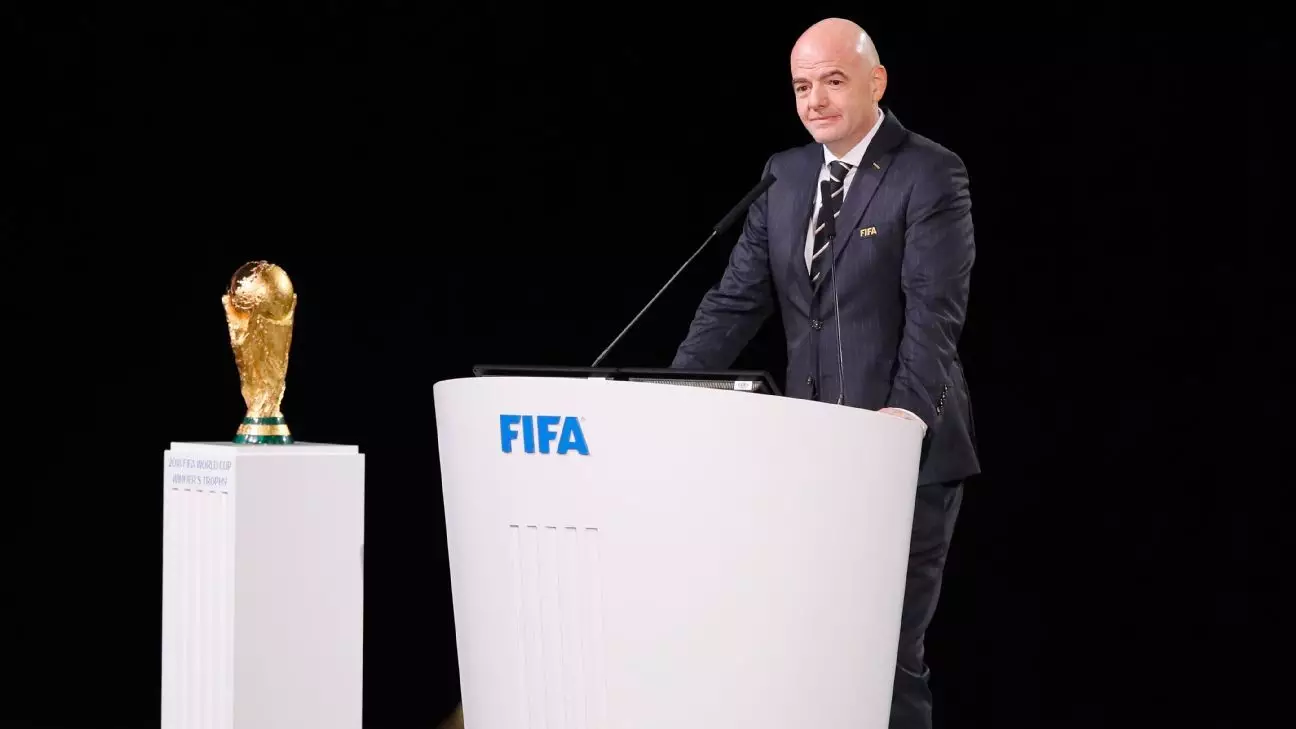
In a groundbreaking move, Saudi Arabia has positioned itself as the host for the 2034 FIFA World Cup, slated to take place during the winter months. This decision arises from the nation’s extreme climatic conditions, which create formidable challenges for hosting such a significant global event in the sweltering summer heat, common in Gulf countries. FIFA’s report indicates a preference for scheduling the tournament between October and April, associating the altered timeline with local environmental considerations. This ambitious bid makes Saudi Arabia only the second Middle Eastern nation to host the World Cup, following Qatar’s successful venture in 2022.
Despite the excitement surrounding the event, critical concerns linger regarding Saudi Arabia’s human rights record. FIFA’s evaluation report categorized human rights issues as a “medium risk,” reflecting a somewhat lenient perspective on a topic that has sparked international debate. The report conveyed that while progress in human rights will require considerable time and effort, hosting the World Cup could, intriguingly, foster positive change in this area. It raises essential questions about how sports can potentially influence national policies and promote social reform in authoritarian regimes.
Saudi Arabia’s bid is further enhanced by its grand infrastructure plans, which include constructing multiple new stadiums, such as the innovative “stadium in the sky” in the futuristic city of Neom. Such developments promise to elevate the sporting experience and set new architectural standards. However, the ambitious nature of these projects introduces a medium risk concerning stadium readiness as the event approaches. With only a decade remaining, the success of this initiative hinges on timely and efficient project execution amidst the nation’s rapidly evolving urban landscape.
The choice of winter for the World Cup has raised eyebrows, especially after the calendar disruptions experienced during Qatar’s World Cup in late 2022. Clubs around the globe were significantly impacted as seasons were extended and alignments altered to accommodate the tournament. Many football stakeholders remain cautious, emphasizing that the scheduling of the 2034 tournament could lead to similar disruptions, given that the International Match Calendar for that time frame is yet to be determined. This uncertainty casts a shadow on the potential for seamless integration of global leagues and international play.
As the global football community awaits FIFA’s final decision on the 2030 and 2034 World Cup hosts, Saudi Arabia’s bid represents both remarkable potential and complex challenges. While the nation aims to galvanize international respect and recognition through this prestigious event, it must also navigate prevailing concerns about human rights and infrastructural readiness. The outcome of this venture will not only shape the future of football in the region but may also redefine the intersection of sports and social responsibility on a global scale. The stakes are undeniably high, and the world watches in anticipation.