
Atlético Madrid’s recent transfer activity demonstrates a clear intent to rejuvenate its squad with young, versatile talent. Unlike many clubs cautious about rolling the dice on inexperienced players, Atlético’s management recognizes the value of youthful potential combined with adaptability. Their signing of players like Matteo Ruggeri, Álex Baena, Thiago Almada, and Johnny Cardoso illustrates a strategic emphasis on building a dynamic and flexible team capable of contending at both domestic and European levels. The club is not merely investing in individual talent but cultivating a squad that can evolve in line with Diego Simeone’s tactical vision.
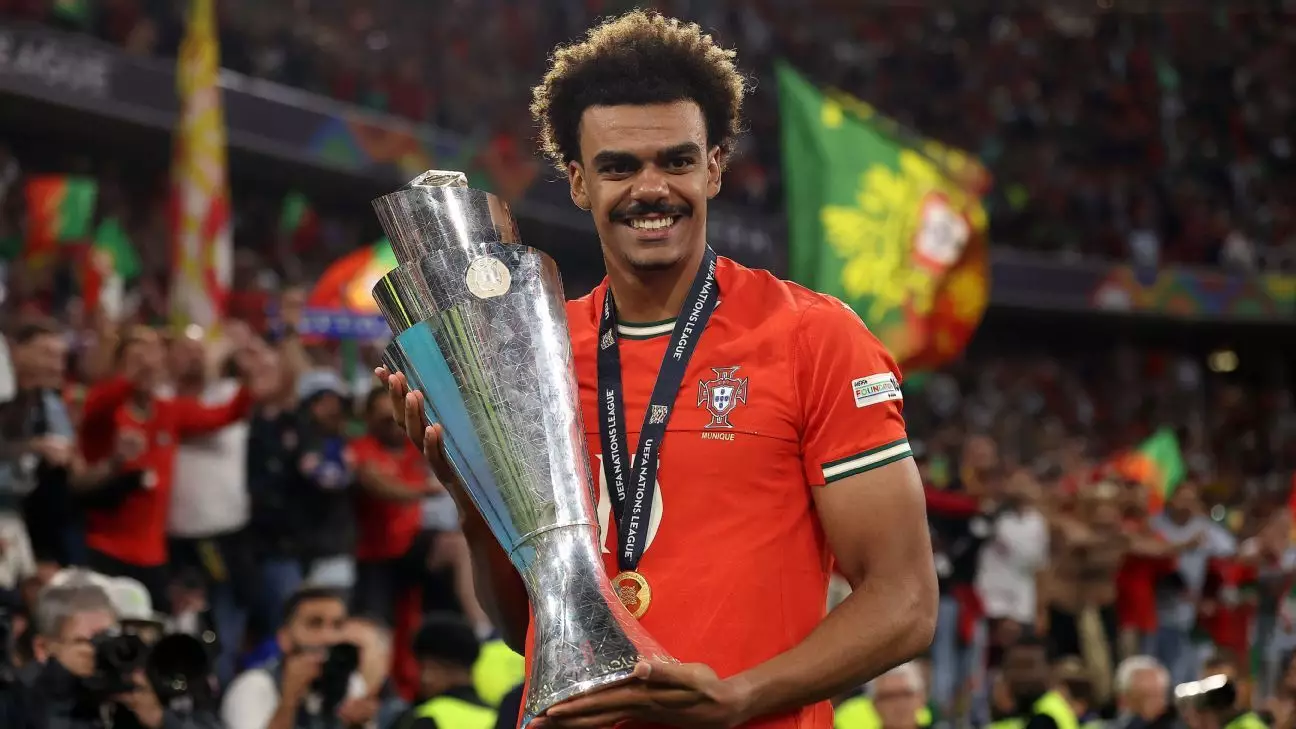
Particularly noteworthy is the club’s pursuit of Renato Veiga, a 21-year-old Portuguese midfielder with positional versatility. Selling points include his ability to operate as a left-back, defensive midfielder, and centre-back—attributes that align perfectly with Simeone’s flexible system. The decision to target Veiga underscores Atlético’s forward-thinking approach: they seek players who can serve multiple roles, reducing the need for constant squad reshuffling and enhancing tactical flexibility. This strategic shift towards multi-functional youth also anticipates future adaptability, a crucial factor given the inevitably fluctuating transfer market.
Moreover, Atlético’s decision to pay a premium for Veiga—€16 million plus variables—indicates their confidence in his potential, despite competition from top European clubs like Barcelona and AC Milan. It appears they’re betting on the player’s development to yield dividends both on the field and in future transfer valuations. Their acquisitions show a desire not just for immediate reinforcement, but for long-term growth aligned with a realistic, measured financial approach.
Addressing Gaps and Strategic Departures

While the club diligently adds promising players, it is also navigating the complex waters of player departures—most notably the transfer of Rodrigo de Paul to Inter Miami. The €15 million deal signifies a transition period where Atlético is preparing for future responsibilities, both on and off the pitch. De Paul, a vital part of their midfield, wanted the MLS experience, fulfilling a personal ambition to play alongside Lionel Messi, while also opening the door for a squad overhaul. This move highlights Atlético’s awareness of the changing global football landscape, where star power, marketing, and strategic reinvestment are increasingly intertwined.
De Paul’s departure serves as a catalyst for the club to recalibrate their midfield dynamics. Speculation about Samuel Lino’s potential exit reflects a broader willingness to let go of players if the right financial offer is on the table. The club appears willing to accept short-term losses for long-term strategic gains, a mindset that marks a departure from their traditionally conservative transfer philosophy.
In addition, the impending negotiations for Renato Veiga and the overall squad overhaul point towards an intentional redefinition of Atlético’s playing style. Simeone’s team, historically known for their disciplined and rugged defensive approach, is subtly evolving into a more versatile and technically capable outfit. These investments suggest that Atlético aims to blend their renowned grit with increased technical flair—preparing for a modern, fast-paced European game that demands flexibility and skill across multiple positions.
The Nuanced Dance of Negotiations and Relationships
The ongoing negotiations with Chelsea over Veiga’s transfer reveal much about Atlético’s approach to transfers—ambitious yet disciplined. With Chelsea valuing Veiga at €40-45 million and Atlético aiming for a lower sum, their relationship remains professional and constructive. It’s clear that Atlético’s strong reputation and history of respectful dealings provide a foundation for realistic negotiations, potentially leading to mutually beneficial agreements.
However, the complexities of transfer negotiations delve beyond just valuation; they mirror the club’s overarching philosophy of building steadily rather than rushing into expensive acquisitions. Their willingness to pay a premium for Veiga, combined with their strategic patience, underscores a mature, pragmatic approach. Atlético recognizes that sustainable success depends on harmony between ambition and financial prudence—a balance they seem increasingly willing to strike.
Ultimately, Atlético Madrid’s transfer strategy reflects a club at a pivotal juncture. Their focus on youth, versatility, and strategic departures illustrates an ambitious blueprint for sustainable growth, one that balances immediate needs with long-term vision. As they sculpt this new era of their football identity, their ability to negotiate, adapt, and innovate will determine their standing in Spain and Europe for seasons to come.