
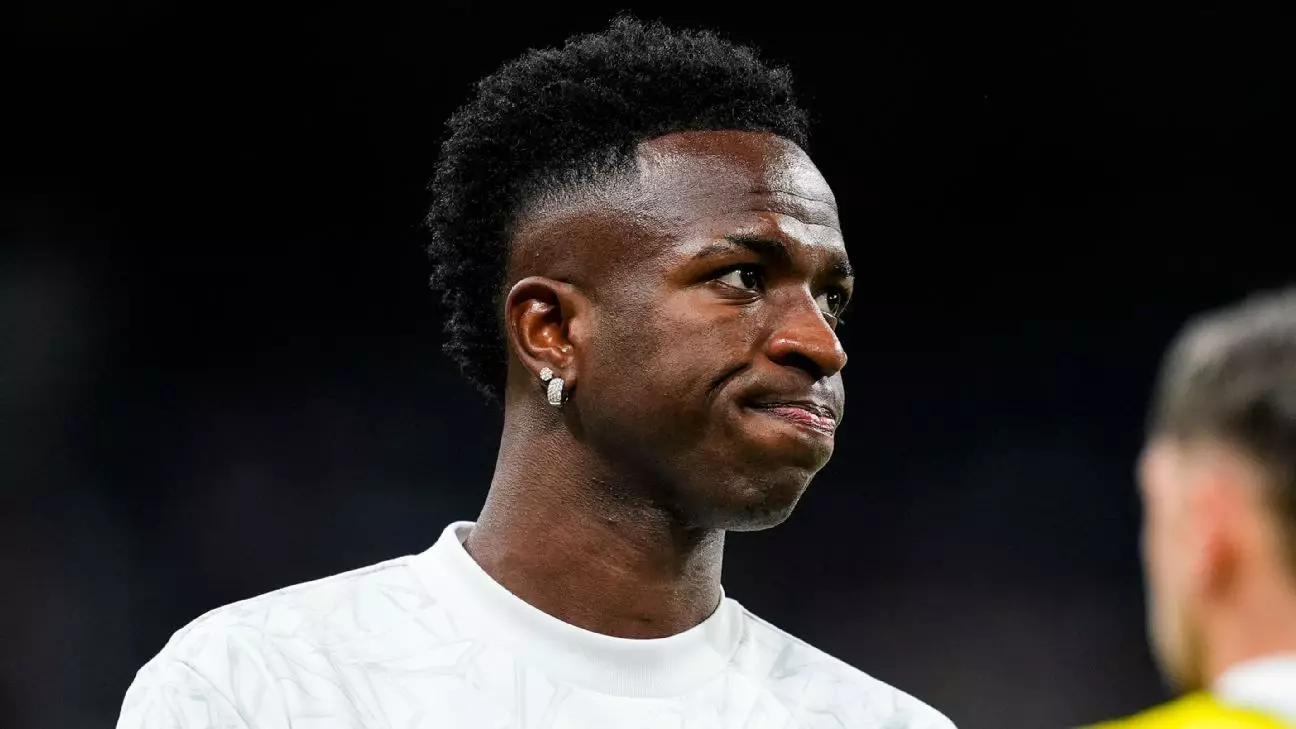
The 2024 Ballon d’Or ceremony, a prestigious event honoring the best in football, saw an unexpected boycott from Real Madrid players, including Brazilian forward Vinícius Júnior. The decision stemmed from the club’s dissatisfaction with the recognition of Manchester City’s Rodri as the awarded player. While Vinícius was expected to be a prime candidate following an exceptional season, Madrid’s decision to abstain from the ceremony speaks volumes about their stance on the awards process.
Real Madrid, a club steeped in history and success, found itself in a predicament that seemingly undermined the contributions of its players. Vinícius, who played a crucial role in helping the team secure both the La Liga and the Champions League titles, had emerged not only as a fan favorite but as an individual with remarkable talent and potential. Scoring 15 goals in La Liga and making an impact in the Champions League final, many anticipated this award would recognize his efforts. The absence of the entire contingent from this year’s ceremony underlines a deep-seated frustration over what they perceive as unfair recognition processes within the football establishment.
Club Sentiment and the Road Ahead
The sentiments within Real Madrid’s camp reveal a mixture of disappointment and disbelief. A source noted that labeling Vinícius’s exclusion from the honors as “unfair” and calling it a “disgrace,” illustrates a sense of betrayal felt by the club’s management and fans alike. Protests in sports are often powerful, and Madrid’s decision to excuse themselves from the ceremony sends a clear message about their dissatisfaction with how player achievements are acknowledged. This kind of boycott can affect a club’s reputation and the morale of players who work tirelessly to earn accolades.
The fallout from this decision may reverberate beyond just the award ceremony. Acknowledgment of Vinícius Júnior’s contributions was not merely about an individual accolade; it represented recognition for an essential part of Real Madrid’s recent success. As the club navigates through this season, maintaining player motivation and focus in the wake of such controversies will be crucial. Coach Carlo Ancelotti had optimistic predictions about Vinícius winning the award, underscoring the expectation placed on him not only by fans but also by coaching staff.
Broader Implications in the Football World
The broader football community now watches keenly how this protest may influence future awards and the nomination criteria. Rodri’s recognition as a standout player for his performance with Manchester City highlights the growing competition in the sport, yet it may also lead to a reevaluation of what parameters constitute rightful recognition. As football continues to evolve, the dialogue surrounding fairness in awards must keep pace with the high stakes and emotional investments players and clubs place in their endeavors.
Vinícius not getting the Ballon d’Or this year may seem like an individual setback, but it symbolizes a larger conversation about how achievements are recognized in a highly competitive environment. Going forward, the impact of this boycott might very well stir discussions on reforming the awards process to ensure that deserving players receive the accolades that reflect their contributions to the sport. In the spirit of football, equity and recognition should always go hand in hand.