
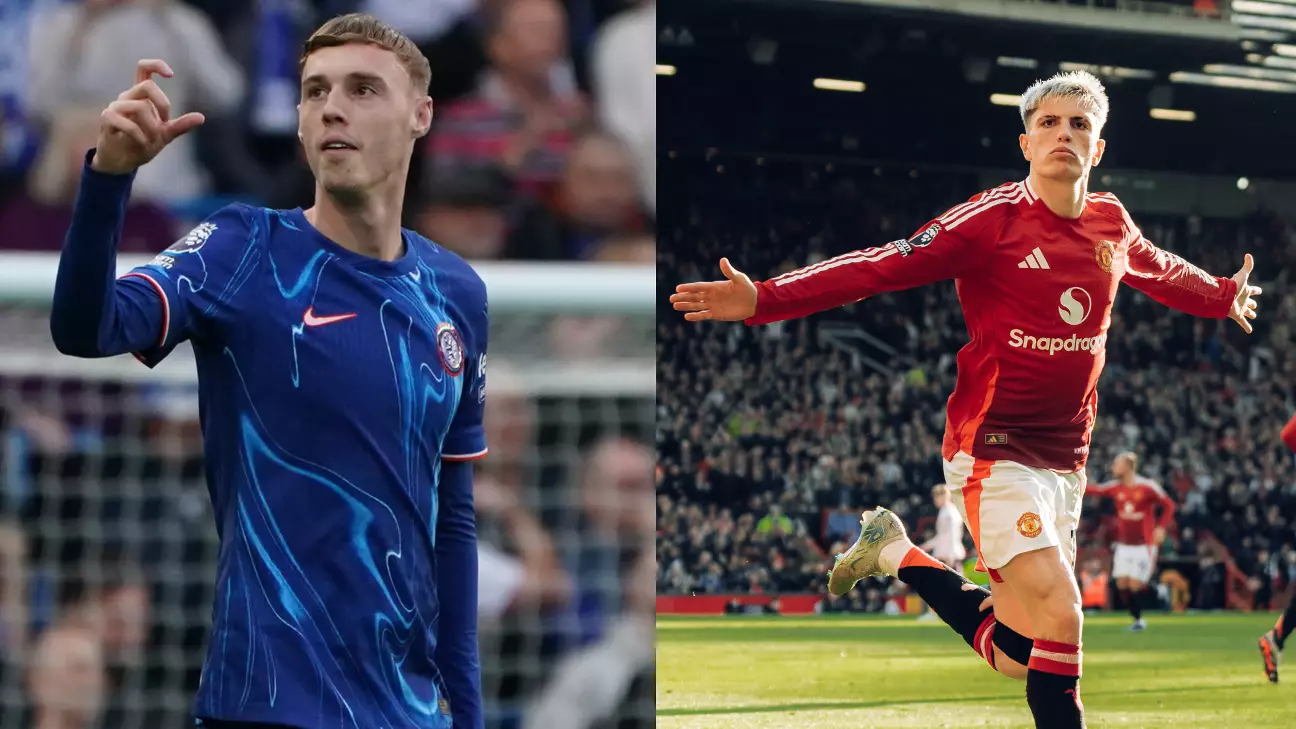
Soccer, a sport that captures the imagination of millions worldwide, is continually shaped by tactical innovations, managerial decisions, and standout performances that define each match day. As we embark on a new season, notable events and intriguing narratives emerge, offering fans a chance to dissect the evolution of their beloved game. This analysis delves into a few of the spotlighted matches and managerial philosophies that are currently influencing soccer, especially focusing on Manchester United and Chelsea, alongside a riveting look at Lionel Messi and Inter Miami’s pursuit of MLS glory.
This weekend promises an exciting clash as Manchester United welcomes Chelsea to Old Trafford. Anticipation is palpable, given the rich history and rivalry between these two clubs. Chelsea, under the astute guidance of Enzo Maresca, has showcased a revitalized style of play that has transformed their fortunes on the pitch. Maresca’s emphasis on tactical mastery aligns with a broader trend seen among today’s elite managers who prioritize meticulous preparation and adaptability. The comparisons to greats such as Pep Guardiola and Arne Slot are justified; Maresca embodies the modern coaching archetype that understands that winning starts long before the referee’s whistle.
Maresca’s football philosophy leans heavily on the importance of possession, not merely for maintaining control but as a means of orchestrating dynamic attacking movements that keep opponents on their heels. This cerebral approach to the game—akin to a chess match—enables his players to execute strategies that exploit opponents’ weaknesses. The progress seen in players like Cole Palmer is a testament to this tactical framework; Palmer’s emergence as a standout performer reflects Maresca’s ability to tap into young talents and nurture them into key contributors.
However, the road ahead is not without challenges. Chelsea’s young and occasionally inconsistent squad presents hurdles, particularly in high-stakes situations. The recent loss to Newcastle United in the Carabao Cup is an example of the growing pains that accompany the ambitions of rebuilding a once-dysfunctional team. It’s a reminder that while the tactical groundwork Maresca lays is commendable, the unpredictability of youth can complicate execution in crucial matches.
On another front, soccer fans are riveted by Lionel Messi’s journey with Inter Miami as they take on Atlanta United in a bid for progression within the MLS playoffs. Messi, a global icon, elevated the profile of MLS since his arrival, and the upcoming match carries significant implications. Inter Miami, buoyed by their star player, has set its sights on an ambitious goal—winning the MLS Cup, and thereby securing the opportunity to host the final.
Atlanta’s challenge should not be underestimated; their recent performances have exhibited resilience and tactical acumen, largely attributed to the formidable support from their passionate fanbase. The entire atmosphere surrounding the match promises to be electrifying, with the potential for a near-capacity crowd aiming to fuel their team towards victory. The narrative further intensifies with the presence of Gerardo “Tata” Martino, Atlanta’s former manager, whose return marks a significant storyline that adds depth to an already compelling fixture.
Both Messi and Martino hold integral roles in this unfolding drama, showcasing how personal histories within the sport intricately weave into current rivalries. For Inter Miami, the weight of expectation looms large, but the allure of being in a winning environment is a potent motivator—even as they face the formidable task of overcoming a well-drilled Atlanta United side.
Amid these thrilling narratives, Manchester United’s management decisions have stirred considerable discussion. Following a rocky start to the season, the club has turned to Rúben Amorim, a promising tactician hailed for his innovative approach to coaching. His appointment signals a strategic shift aimed at realigning the club’s visions and ambitions, though it stems from a backdrop of managerial indecision and underperformance.
While some may view the transition as a risky gamble, Amorim’s proven track record at Sporting CP lends credibility to this decision. The challenge lies in transforming Manchester United’s fragmented identity into a coherent and competitive unit. The tactical overhaul required is monumental, encompassing not just adjustments on the field but also a revival of the club culture that has historically defined its success.
This dual focus on tactical and cultural rejuvenation may hold the key to unlocking United’s potential, but the enduring question remains whether this change can be effectively implemented amidst the pressures of expectations. The recent upheaval also raises concerns about proactive decision-making at the executive level, emphasizing a need for swift action in response to the club’s dire straits.
As the season unfolds, soccer’s complexities offer a captivating journey for fans and analysts alike. From the tactical brilliance of emerging managers to the stars leading teams into battle, the narratives are as rich and varied as the sport itself. The implications of managerial styles, player development, and game-day atmospheres underscore the evolving landscape of soccer. Each match, each decision, and each player adds depth to a vibrant tapestry that is forever-changing, making it a thrilling time to be a soccer enthusiast. Whether it’s the clash of titans or the journey of underdogs, the stories written on the pitch are what truly define the beautiful game.