
The Prospects of LaLiga Matches in the U.S..
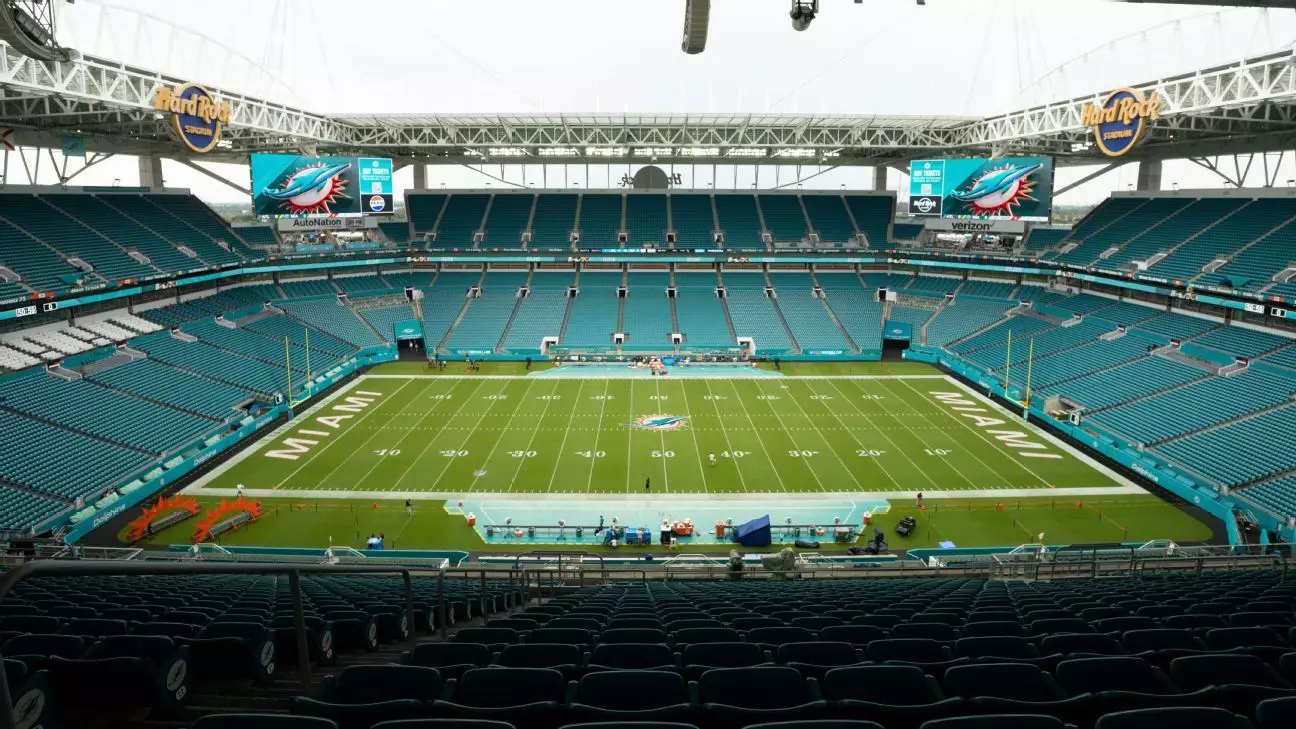
LaLiga’s ambition to host a match between Barcelona and Atlético Madrid in Miami reflects a growing trend among football leagues worldwide: the desire to extend their reach beyond domestic borders. Efforts to globalize football are not new; leagues like the Premier League and Bundesliga have successfully tapped into international fanbases. However, LaLiga’s journey to bring a live match to the United States has encountered numerous hurdles, prompting a closer examination of the underlying challenges and the implications of such a move.
LaLiga’s proposal to stage a match abroad has faced significant resistance from several football governing bodies, including the Spanish Football Federation (RFEF), FIFA, and U.S. Soccer. Each organization has raised concerns about the logistics of hosting foreign league matches, questioning the integrity and traditional values of national competitions. Historically, the opposition has been deeply rooted in the apprehensions surrounding competitive balance, fan engagement, and logistical feasibility. However, the landscape is evolving, especially after recent legal developments, which hint at a thaw in this staunch resistance.
The U.S. Supreme Court recently allowed Relevent Sports Group to proceed with an antitrust lawsuit against FIFA and the U.S. Soccer Federation. This court ruling signifies a pivotal shift in perspective regarding international matches and has likely provided LaLiga with renewed motivation and leverage. By overcoming institutional barriers, LaLiga appears closer to its goal of establishing a presence in the American sports landscape. Notably, the involvement of prominent clubs like Barcelona and Atlético Madrid suggests strong backing, as both sides have previously expressed interest in enticing American fans.
Despite the progress, numerous logistical issues persist. Timing remains a critical factor, with the RFEF lacking a permanent president until mid-December—a delay that complicates the approval process. Even if the interim board can authorize the match, questions regarding UEFA’s stance linger. Their approval is essential, given that they oversee the continent’s football governance. Without UEFA’s support, LaLiga faces an uphill battle to realize its vision.
Hosting a LaLiga match in the United States could significantly impact both leagues and American football culture. By providing a live showcase of elite Spanish football, LaLiga may enhance its visibility and fan engagement in one of the world’s largest sporting markets. A successful event could pave the way for more international fixtures, contributing to a broader acceptance of football as a mainstream sport in a nation dominated by American football, basketball, and baseball.
While LaLiga’s aspirations to conduct a match in Miami are progressing, they remain fraught with complications. The delicate relationship between governing bodies, evolving legal landscapes, and organizational support will dictate the outcome of these efforts. Ultimately, if LaLiga can navigate these obstacles effectively, it may not only bolster its reputation but also enrich the American football scene, fostering a wider appreciation for the global game.