
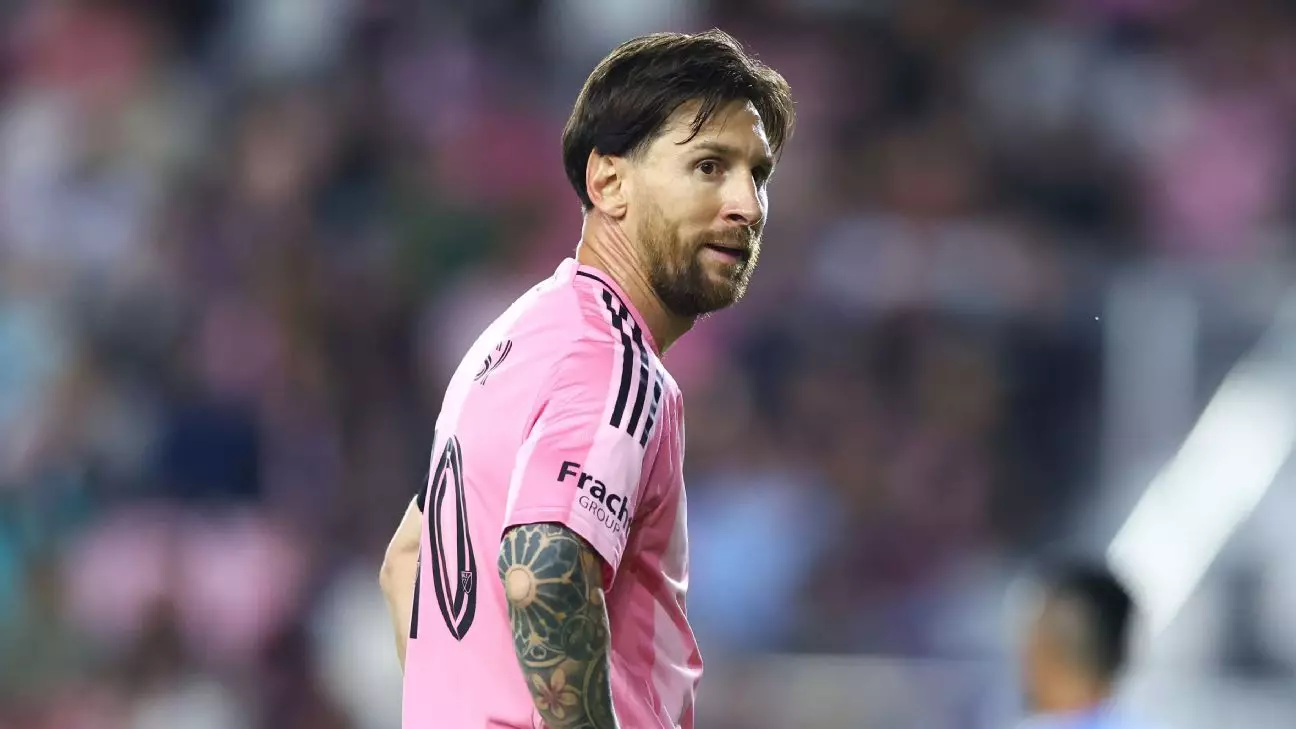
Javier Mascherano, the head coach of Inter Miami, made a strategic decision that sparked both concern and intrigue among fans: resting superstar Lionel Messi during a crucial match against the Houston Dynamo. The stakes in Major League Soccer (MLS) are high, particularly with Messi’s immense influence on the field. However, Mascherano’s rationale transcends mere tactics; it delves into the critical management of player health, especially for a 37-year-old who is key to Miami’s aspirations. The choice to prioritize Messi’s long-term fitness over immediate gains showcases a forward-thinking mentality that could redefine how teams handle aging superstars.
The Balancing Act of Player Management
In an era where the demands on athletes are intense, the trend of resting players—often seen in other sports—raises eyebrows in soccer. From Mascherano’s perspective, this decision was not merely precautionary; it underscores the balance between competing vigorously and ensuring player wellness. While some fans were disappointed about missing out on watching the legendary Messi play, Mascherano reminded everyone that protecting athletes from injury is vital for sustained performance. He emphasized Messi’s current fitness status, reassuring fans that this was a calculated move rather than an indication of underlying health issues.
The Impact of a Heavy Schedule
The demanding fixture list, which included three matches over a week, inevitably added pressure on Messi’s body. The significance of this decision resonates beyond just the present match. Overloading a player of Messi’s caliber, especially early in the season, could risk serious injury, leading to longer-term consequences for the team. By sidelining him against Houston, Inter Miami demonstrates a commitment to valuing quality over quantity—a choice that could pay dividends as the season progresses into crucial knockout stages in the Concacaf Champions Cup.
The Psychological Effects on the Team
Beyond physical fitness, the psychology of team dynamics comes into play. With Messi being a linchpin in the squad, his absence might influence morale. Yet, Mascherano’s decision might fortify the team’s tenacity; players must step up in a vacuum left by a star like Messi. This could instill a sense of responsibility, fostering resilience among the squad. The coach’s comments about Messi training normally indicate an opportunity for the team to adapt, highlighting an essential part of the game—players rising to the challenge when needed most.
The Bigger Picture for Inter Miami
As Inter Miami gears up for the first leg against Jamaican side Cavalier FC, the narrative surrounding Messi’s participation looms large. With Mascherano’s strategic foresight in protecting his players, one must wonder how this philosophy will evolve throughout the season. The dynamic nature of soccer requires not just talent but also intelligence in management. By prioritizing long-term wellness, Mascherano might be laying the groundwork for a successful season that harmonizes star power with sustainable sportsmanship. This approach could indeed reshape perceptions of how teams manage star players, especially as they navigate the nuanced landscape of both domestic and international soccer competitions.