
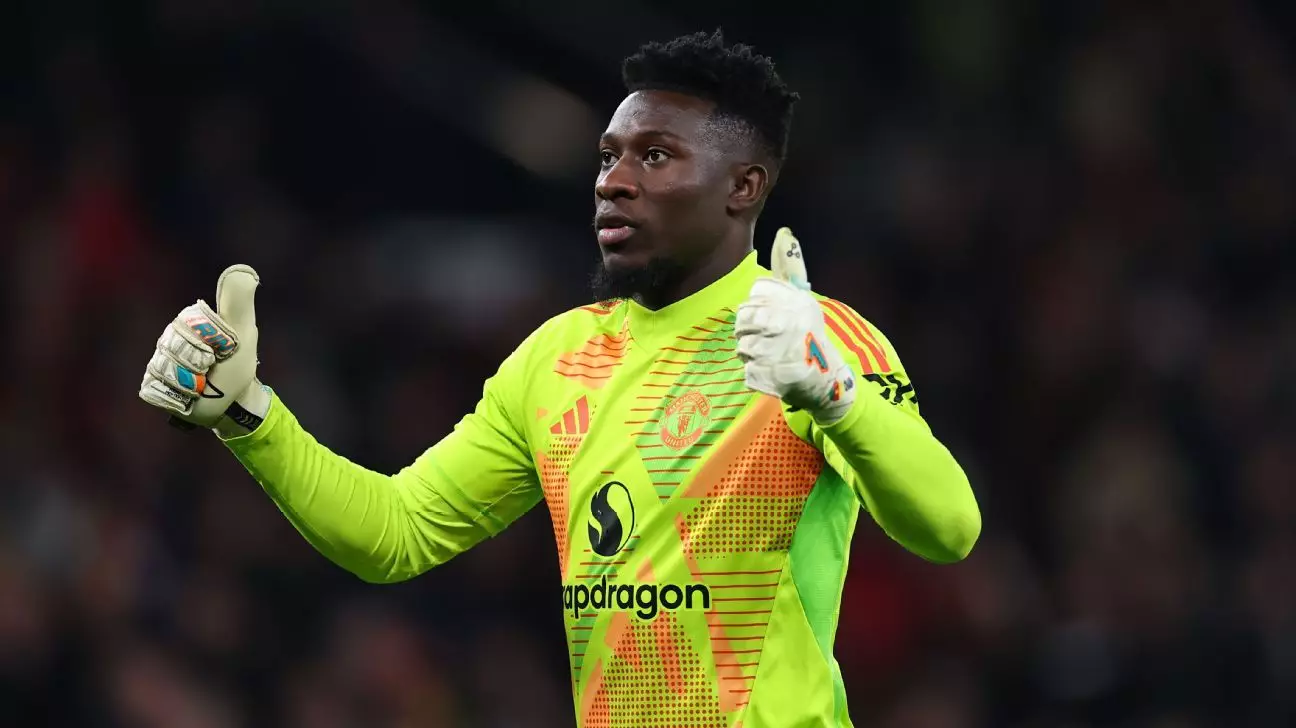
In the fast-paced world of football, change is often the only constant. As Manchester United gears up for the appointment of Rúben Amorim as its new manager, conversations surrounding a significant tactical shift have emerged. Amorim, who has made a name for himself at Sporting CP, is expected to implement a 3-4-3 formation, diverging from the previous 4-3-3 setup under Erik ten Hag. This tactical pivot raises valid concerns about how the current squad will adapt. However, goalkeeper André Onana reassures fans that the players are prepared for this new challenge, citing their collective pragmatism and ability to adapt to different systems.
While Onana’s confidence in the squad is notable, it begs a deeper exploration of the implications this tactical change might have on the players, their roles, and United’s overall performance in domestic and European competitions. Transitioning to a new formation not only challenges the players to learn a new system but also alters the tactical responsibilities that individual players hold. For instance, wingers and central midfielders may find their roles altered significantly in a three-man defense setup. The key for United will be effective implementation and understanding of Amorim’s philosophy, which may take time to instill fully.
The managerial shifts at Old Trafford are reflecting broader themes of transition and uncertainty within the club. Ruud van Nistelrooy was brought in as an interim manager following Erik ten Hag’s departure. His role has since evolved from assisting the previous coach to steering the team through a challenging period, including the upcoming Europa League fixtures. The ambiguity surrounding his future adds another layer of complexity to the situation.
Van Nistelrooy himself acknowledges the uncertainty in his upcoming role within the coaching staff. His comments underscore the psychological toll that transitions can have on everyone involved—from players to coaching staff. There is likely a bidirectional influence at play; as players look to adjust to Amorim’s new system, they also seek stability and clarity from the coaching staff. In the absence of direct communication regarding Van Nistelrooy’s future role under Amorim’s regime, the players must maintain focus and continue their performance on the field without the cloud of uncertainty hindering their progress.
Manchester United’s current situation is further complicated by a string of player injuries, which complicate the adaptation process amidst the managerial change. Leny Yoro, a promising defender signed in the summer, recently returned to team training after a lengthy recovery from a broken foot. His reintegration into the squad provides a much-needed boost, especially in a season that has already seen its share of challenges. The return of Yoro, alongside other players like Tyrell Malacia and Christian Eriksen, could help bolster the squad depth as they transition into the new tactical setup.
However, United is still grappling with the absence of key players such as Luke Shaw and Harry Maguire. This absence highlights another essential factor during periods of adaptation—depth in squad rotation. Amorim will need to manage his resources judiciously as he looks to implement his vision while navigating through an injury-riddled playing group. Building a solid foundation during this period will be crucial, as consistent performances become paramount in competing effectively within the league and across European tournaments.
As Manchester United looks toward this new chapter under Rúben Amorim, the period of transition will be rife with challenges and opportunities. The ability of the players to adapt to a new system, coupled with the uncertainty surrounding the coaching staff’s continuity, creates a dynamic atmosphere that necessitates resilience and adaptability. The club has the potential to evolve and thrive, but it requires collective focus and a willingness to embrace change. Ultimately, the success of this transition will hinge on communication, clarity, and the collective drive of both players and staff to ensure that United not only endures this period of change but emerges stronger from it.