
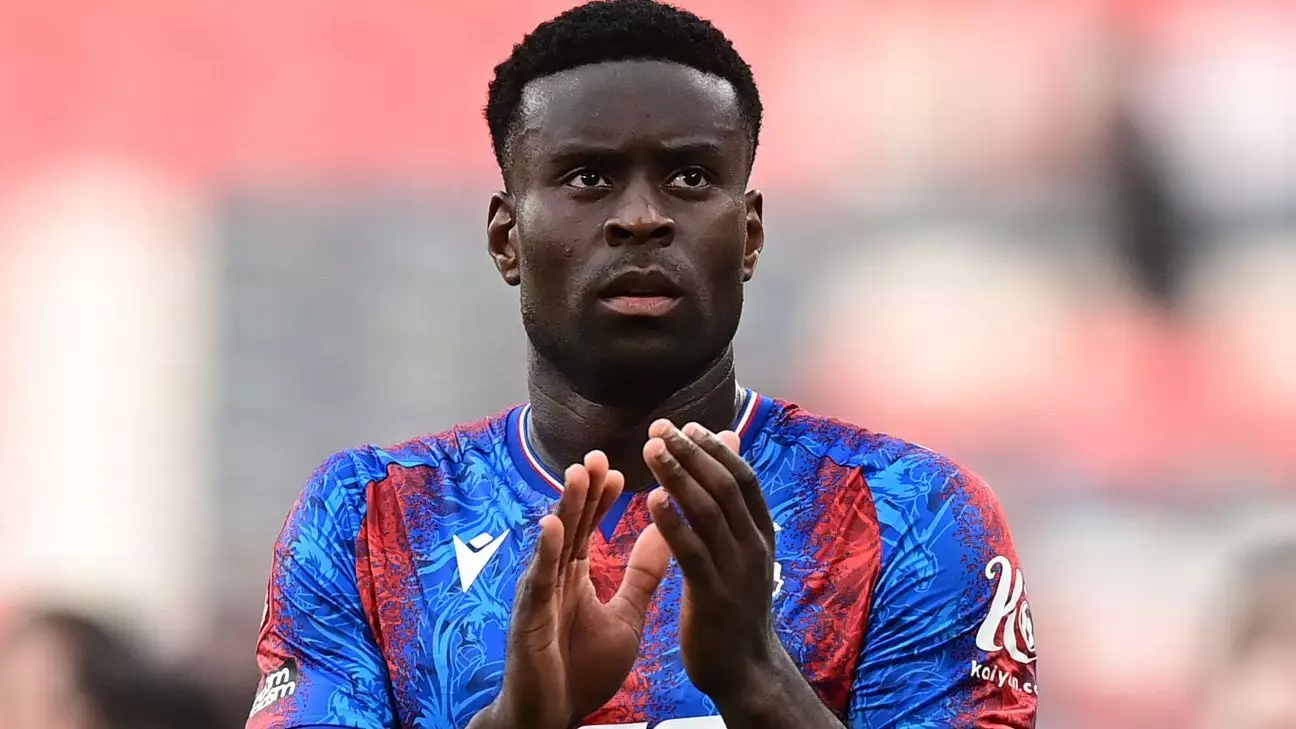
In a display reminiscent of gladiatorial combat, the Premier League is abuzz with clubs vying for the signature of young talent Marc Guéhi. Tottenham Hotspur, Chelsea, and Newcastle United are engaged in a fierce race to secure the services of Crystal Palace’s 24-year-old center-back. The player has shown remarkable potential, and his performances, particularly a notable FA Cup semifinal triumph over Aston Villa, underscore his rising status in English football.
Guéhi’s contract situation adds layers to this ongoing saga. With a potential free agency looming in 2026, the urgency for the aforementioned clubs is palpable. The boardrooms are likely filled with strategists contemplating how to make a tantalizing offer that not only attracts Guéhi but also convinces Crystal Palace to part with their burgeoning star. Amid the age of inflated transfer fees, a calculated investment in Guéhi could pay dividends, making him a cornerstone in whichever side secures his commitment.
The Saudi Influence: A New Era in Football Transfers
In another corner of the globe, the ramifications of Saudi Arabian investment in football are unfolding in dramatic fashion. Club Neom has opened discussions with Manchester United’s goalkeeper, André Onana, seeking to entice him away from European football. At 29, Onana represents an intersection of experience and talent that is increasingly attractive to clubs looking to raise their profiles globally.
What’s imperative to understand is that, unlike prior transfer windows where European clubs held the dominant card, the power dynamics are shifting. The allure of high salaries and lucrative growth projects in Saudi Arabia presents a siren call to players who might otherwise hesitate. As Neom aims for promotion to the Saudi Pro League, an influx of talent could result, fundamentally changing how we perceive the balance of football power.
Inter’s Defensive Dynamics
Meanwhile, Internazionale’s pursuit of Bayer Leverkusen’s Jonathan Tah highlights the Italian club’s emphasis on fortifying their defense. With Tah’s contract nearing expiration, the opportunity for Inter to secure a talented center-back at a reduced cost is enticing. Their interest is indicative of a broader trend where clubs are increasingly looking for astute deals in the transfer market, maximizing gains while minimizing expenditures.
However, Inter’s predicaments extend beyond just Tah. Internal discord with Lazio’s president could thwart potential deals for desired players like Mario Gila, illustrating how interpersonal dynamics can complicate transfer negotiations. Additionally, the prospect of fielding interest in lesser-known players like Sam Beukema and Jhon Lucumi speaks volumes about the changing perceptions of talent scouting in Europe.
Chasing David: Napoli’s Striker Dilemma
On the attacking front, Serie A club Napoli is making a compelling pitch for Lille’s Jonathan David, eyeing a transfer upon the expiration of his contract. Yet, the Canadian international’s apparent reluctance raises questions about Napoli’s standing in elite talent acquisition. The interest from Juventus, Internazionale, and even some Premier League giants reflects the competition for forwards who can change the fabric of a game.
As clubs across Europe continue to reformulate their strategies, the attention being showered on David serves as a reminder that the hunt for high-caliber strikers is as ferocious as ever. His decision-making is an emphasis on the careful calculation players must undertake in weighing potential opportunities against the promise of team fit and personal development.
The Quiet Revolution of Team Dynamics
In this intricate web of negotiations and aspirations, the implications extend beyond the individual player. Teams are now being molded by complex strategies, where managers like David Moyes aim to crystallize their vision by reintegrating former players. The Everton manager’s interest in West Ham’s Tomáš Souček underscores a growing trend: the emphasis on unity and familiar play styles within squads.
This strategic integration is not merely about the players on paper; it’s an evolution of club culture and identity in an era that demands adaptability and tactical proficiency. Such moves are crucial as clubs scramble to establish a competitive edge in the fiercely contested leagues of Europe.
The present football landscape, characterized by intense competition and evolving investments, is shaping a new narrative. With clubs like Tottenham and Napoli chasing marquee names and Saudi clubs emerging as new power players, the impending transfer window is set to redefine ambition and success in football. The stakes have never been higher or more thrilling.