
As the January transfer window approaches, the chatter surrounding player movements in the Premier League intensifies. With various clubs reevaluating their squad compositions, significant names are surfacing, and potential strategies are emerging. Key figures like Joâo Pedro, Rúben Dias, and Thomas Partey are at the forefront of discussions regarding their futures, as clubs respond to both on-field performances and evolving managerial needs.
Liverpool’s interest in Brighton & Hove Albion forward Joâo Pedro exemplifies how clubs are on the lookout for promising talent. The 23-year-old Brazilian has captivated the Premier League with his impressive displays this season, boasting four goals and three assists in just nine appearances. His ability to seamlessly blend goal-scoring with playmaking skill makes him a coveted asset.
The parallels being drawn between Pedro and past Liverpool stars such as Roberto Firmino highlight not just his individual capabilities but also his potential fit within the tactical framework of manager Arne Slot. Pedro’s movement, combined with his knack for linking up play effectively, promises to bolster Liverpool’s attacking line, which has been plagued by inconsistencies. This keen interest showcases Liverpool’s intent to rejuvenate their squad, particularly in attacking positions where they’ve faced injuries and form issues.
Manchester City’s Defensive Dilemma
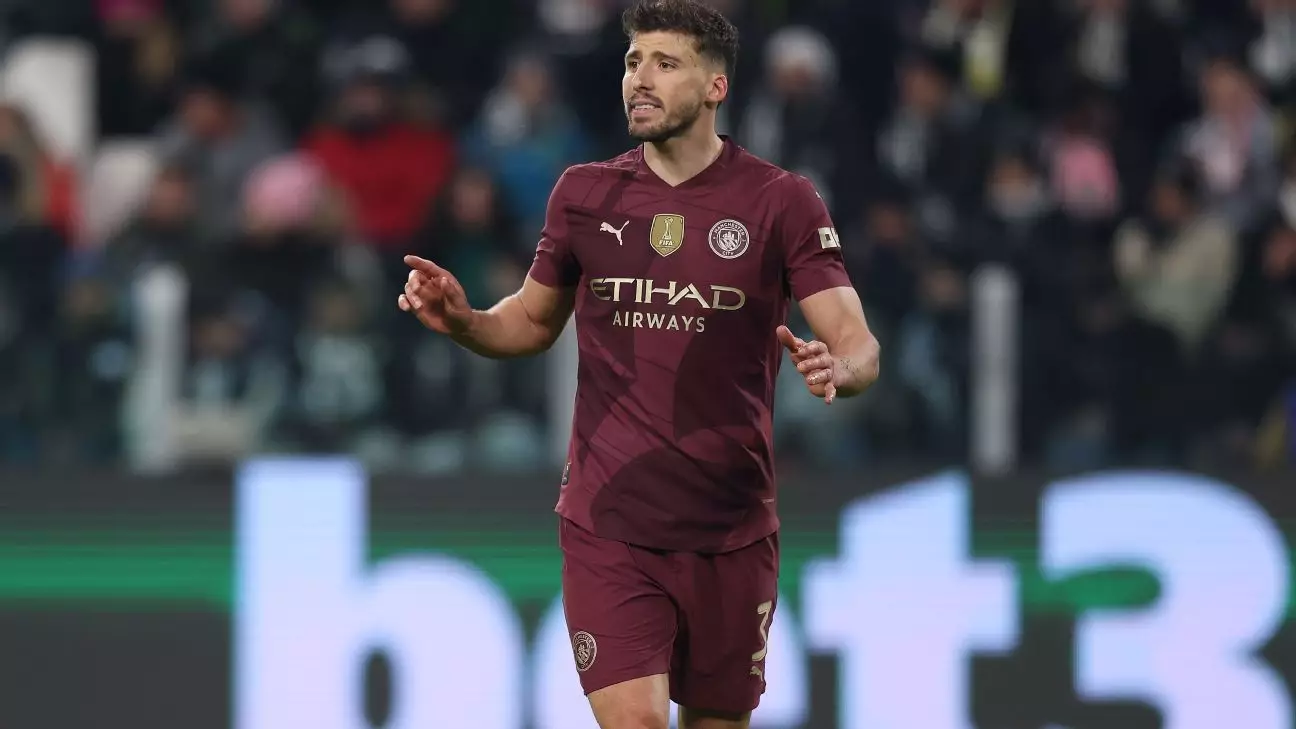
In stark contrast to Liverpool’s offensive ambitions, Manchester City appears to be strategizing on the defensive front. Reports indicate that manager Pep Guardiola is contemplating parting ways with centre-back Rúben Dias, a decision that could send ripples throughout the club. City’s recent poor form — with seven losses in their last ten games — is forcing the coaching staff to reassess the squad’s structure.
The prospect of Dias’s departure suggests deeper issues in the defensive unit and reflects Guardiola’s desire to inject new energy into the squad. Alongside Crystal Palace’s Marc Guéhi, who has been linked with City, it seems that a combination of youth and new talent is prioritized. As City looks to rebuild and strengthen their backline, the search for suitable replacements should be strategic and forward-thinking.
Thomas Partey’s ongoing contract situation at Arsenal poses another interesting narrative leading into the transfer window. With his contract set to expire at the end of the current season, there’s a possibility that he could leave for free if the club fails to secure an extension. The midfielder’s relevance in Arsenal’s lineup cannot be overstated, especially as they chase competitive honors.
The looming January transfer window presents a critical juncture for both parties. Clubs, both domestically and abroad, are said to be monitoring the developments closely, keen to leverage the situation for a potential bargain. Should Partey’s contract remain unresolved, the Gunners must act decisively to avoid losing a key player without any financial compensation, while also ensuring they have adequate replacements lined up.
Under the stewardship of new boss Ruben Amorim, Manchester United’s intention to refresh their squad signals a pivotal moment in their ongoing transition. Defender Victor Lindelöf is reportedly on the exit radar, with interest from both AC Milan and clubs in Saudi Arabia highlighting an increasing demand for his defensive prowess. As Lindelöf approaches the final months of his contract, United must make decisions that align with their revitalized ambitions.
Lindelöf’s potential departure could open up opportunities for new arrivals as United searches for players who can adapt to the club’s evolving philosophy. The need for fresh faces to reinvigorate the squad creates a dynamic environment, promoting competition and elevating overall performance levels.
The Bigger Picture: Market Trends and Future Strategies
As the January window draws near, it’s clear the transfer market is not just about isolating players based on their current performance but rather building cohesive teams for future success. The clubs mentioned above exemplify a broader trend of evaluating both market value and positional needs, fostering deeper tactical approaches that reflect the ever-changing landscape of football.
Liverpool’s interest in Joâo Pedro, City’s contemplation of Dias’s exit, Arsenal’s contractual negotiations with Partey, and United’s plan under new management indicate an exciting yet tumultuous period on the horizon. Possibilities for trades, nurturing homegrown talent, and scouting international gems all reinforce the notion that club management must embrace agility in their strategies. As whispers of transfers intensify, fans remain vigilant, eagerly anticipating how these developments will shape the clubs they cherish in the matches to come.