
As the football season progresses, clubs worldwide are gearing up for a flurry of transfer activities, negotiations, and contract renewals. FC Barcelona, Paris Saint-Germain, and various clubs in Europe are making significant moves, exemplifying the dynamic nature of the football transfer market. Let’s delve into the latest developments, focusing on coaching choices, player contracts, and the implications of these shifts in the industry.
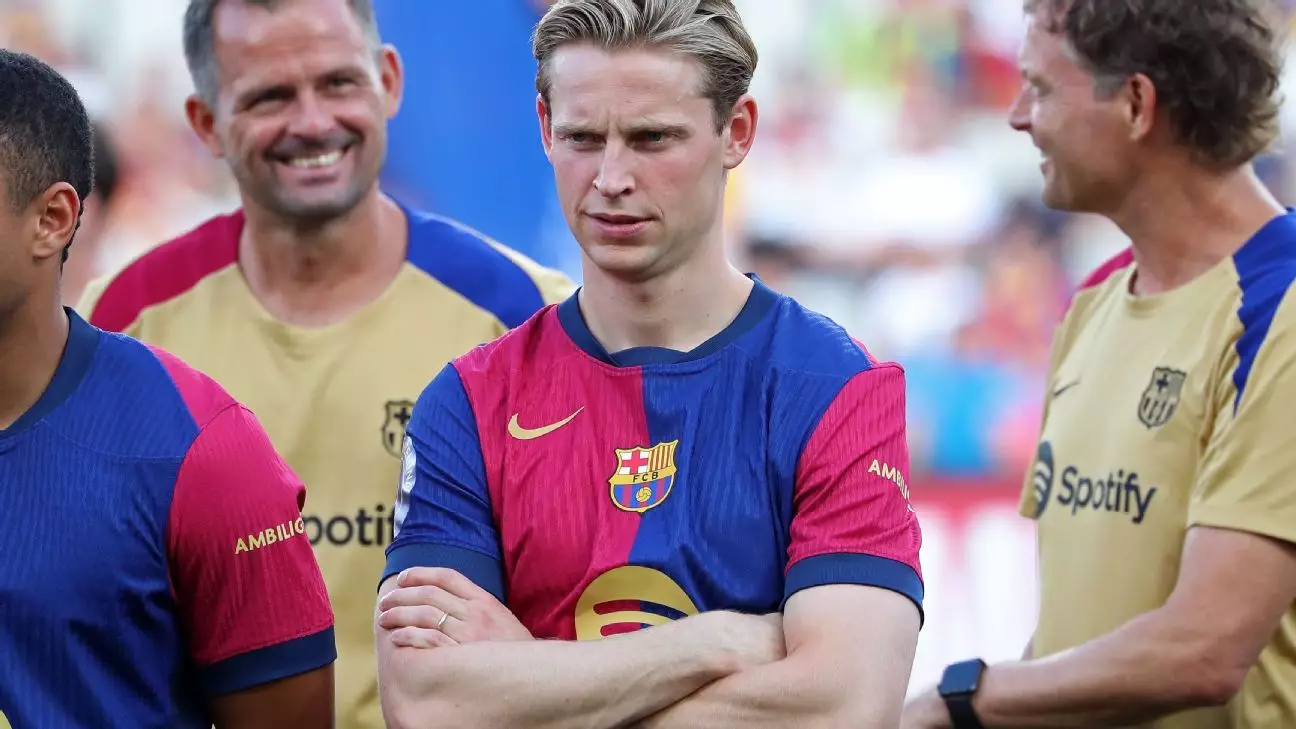
Barcelona is enthusiastic about renegotiating contracts for pivotal players Frenkie de Jong and Ronald Araújo. There is a clear intent from the Catalan club to avoid situations where key players enter the final stretch of their contracts, which might leave them vulnerable to offers from rival teams. According to reports, initial discussions with both players have been fruitful, and Barcelona is optimistic about securing extensions before next summer. This strategy reflects the club’s desire to maintain a stable core, especially given the potential market value of these players.
De Jong, who is currently 27, has appeared in 13 matches this season, contributing to Barcelona’s objectives on the pitch. In contrast, Araújo, at 25, is working his way back from hamstring issues incurred during international duty. His absence has sparked speculation about Barcelona’s reliance on their squad depth, even as they aim to secure the player’s future. The ongoing season will prove crucial for Araújo and De Jong, as their performance could influence the allure of their contracts and their overall roles within the team.
Meanwhile, PSG forward Randal Kolo Muani has emerged as a coveted asset on the transfer market. Arsenal, Manchester United, Juventus, and Borussia Dortmund are reportedly eyeing the French international, indicating heightened competition for his signature. Kolo Muani has faced challenges gaining consistent minutes under PSG’s manager Luis Enrique, a situation that could lead to a loan in the January window.
The interest from various clubs unveils a broader narrative about player satisfaction and strategic alignment within teams. For Kolo Muani, the move could either reinforce his career trajectory or risk stagnation depending on his choice of destination and the opportunities presented by potential suitors. The transfer market is not just about contractual agreements but about fit and strategic vision on both player and club sides.
In another tale of player evaluations, Liverpool has been impressed with Bayer Leverkusen’s Jeremie Frimpong. However, the club reportedly opted against pursuing the 24-year-old due to managerial preferences for a traditional right-back in their formation. This decision underscores a significant aspect of transfer strategies: aligning player profiles with the manager’s tactical needs. Frimpong has also attracted interest from Manchester City, showcasing the competitive landscape for talented wing-backs in Europe.
Liverpool’s strategy appears to reflect a commitment to reinforcing their squad with players who fit their playing philosophy, illustrating how managerial vision fundamentally shapes transfer decisions. With potent competition for player signatures, being adaptable and discerning can define a club’s success in the transfer market.
In the landscape of contract renewals, AC Milan’s goalkeeper Mike Maignan is nearing a new deal that will commit him to the club until 2029. This contract extension emphasizes the importance of securing key players in pivotal positions, especially considering Maignan’s critical contributions to the team’s performance as he boasts multiple clean sheets this season.
The Rossoneri’s determination to secure Maignan alongside players like Christian Pulisic indicates a strategic move to maintain a competitive edge in Serie A. Keeping such talents not only reduces the uncertainty surrounding the squad but also sends a signal to potential signings about the club’s commitment to building a formidable team.
The interest from Al Shabab in Newcastle United goalkeeper Martin Dúbravka exemplifies the interplay between domestic leagues and growing international markets like the Saudi Pro League. The Magpies appear to be managing a complex strategy that aligns with the Premier League’s financial regulations while addressing squad depth issues, especially following injuries to key players like Nick Pope.
The evolving scenario highlights how financial sustainability is intertwined with talent management and contractual obligations. Newcastle’s strategy reveals an industry grappling with modern financial realities while striving to balance ambitions with compliance within stringent regulations.
As clubs engage in negotiations and assess their rosters for the future, the transfer market continues to be a fervent arena for competition and strategic planning. Key players like De Jong and Araújo represent not only the immediate tactical implications for their clubs but also the broader themes of loyalty, fit, and market dynamics that influence transfer decisions. Clubs are carving their paths through a blend of talent acquisition, contract renewals, and philosophical alignments—setting the stage for a thrilling climax to the season.