
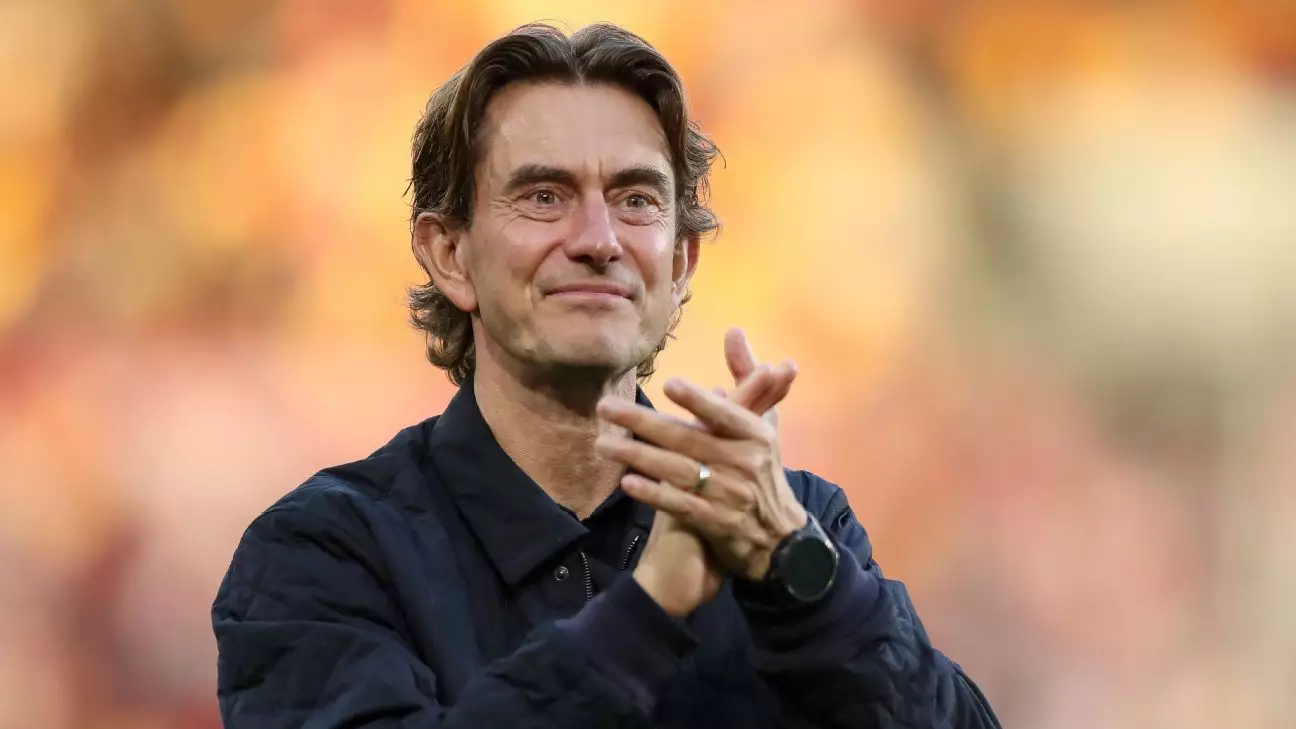
Thomas Frank’s decision to leave Brentford and take on the managerial role at Tottenham Hotspur signals a shift from comfort to confrontation. Unlike many coaches who might shy away from the turbulent atmosphere of a club with a history of managerial turnover, Frank is drawn to the risk, viewing it as an opportunity for personal development and professional reinvigoration. His candid admission—that he’s never been sacked and now seeks the thrill of navigating a high-stakes environment—reveals a desire not merely to coach but to push his limits and prove his mettle.
This mindset could either propel Tottenham forward or become a liability if not tempered with patience and strategic planning. Frank’s willingness to embrace uncertainty demonstrates a rare confidence in himself, but it also raises questions about whether such risk-taking aligns with sustainable success at a club notorious for managerial upheaval. Still, his optimistic outlook—grounded in realistic awareness—could serve as a vital strength if complemented with a disciplined approach to building a resilient team culture.
A Long-Term Vision Amid Uncertain Times
Frank emphasizes that his focus is on the long game, a stance that appears both brave and necessary given Tottenham’s tumultuous recent history. The club has cycled through five managers in a short span, a reflection of internal instability and ever-present pressure to deliver immediate results. Yet Frank’s assurances—supported by positive conversations with key decision-makers—suggest he intends to buck this trend.
His emphasis on “every decision being for the long-term” underscores a desire to build a sustainable project—not just chase quick successes. Whether this vision materializes remains to be seen, especially considering the internal challenges of managing a squad with uncertain futures. His confidence in staff and players’ capacity to adapt, combined with a measured take on the club’s current standing, indicates an understanding that real change requires patience and a clear strategic plan.
Squad Uncertainty and the Art of Guardianship
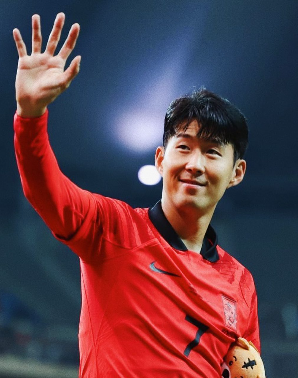
The rumors swirling around stars like Son Heung-Min and Cristian Romero highlight the delicate balancing act Frank faces in his early days. Managing player futures amidst external interest is a delicate task—one that can drastically influence team stability and morale. Frank’s guarded response about Son’s captaincy and the absence of definitive decisions reveal a manager cautious not to destabilize the dressing room prematurely.
His focus remains on current training standards, which he praises enthusiastically. This attitude sends a message that regardless of transfer speculations, he values commitment and professionalism. However, the potential departures could disrupt the squad’s harmony and performance in the short term, challenging Frank’s ability to maintain continuity and motivate players. His handling of such sensitive issues will be pivotal in shaping Tottenham’s evolution from transitional chaos to a cohesive threat.
Balancing Ambition with Realism
Frank’s calculated optimism is one of his most noteworthy qualities. He is aware of the gaps between Tottenham and the top-tier European clubs—specifically referencing three teams ahead of them—and recognizes the necessity of incremental progress. Rather than making lofty promises or overcommitting to immediate trophies, he advocates for measured steps: “One step at a time.” This approach, rooted in realism, serves as a safeguard against overhyping expectations.
His communication with club executives indicates a united front—an understanding that players, staff, and leadership must work collaboratively to transform the club’s fortunes. Frank’s optimism, bolstered by pragmatic planning and a clear understanding of current limitations, could significantly alter Tottenham’s trajectory if he manages to instill this mindset across the club.
The Path Forward: From Ambition to Achievement
Frank’s embrace of risk and his emphasis on long-term planning position him as a manager willing to challenge conventions. His success at Brentford—turning them into a Premier League power—demonstrates that strategic patience, combined with a progressive philosophy, can yield remarkable results. His challenge now is to translate that philosophy into a club renowned for upheaval and high expectations.
Building a team capable of competing at the highest levels requires not only tactical acumen but also a psychological resilience—something Frank appears willing to nurture. Whether he can harness Tottenham’s significant potential and forge a new legacy rooted in consistency and ambition remains to be seen, but his boldness suggests the club might finally be ready to embrace a different kind of success—one driven by calculated risk and unwavering faith in a visionary long-term plan.