
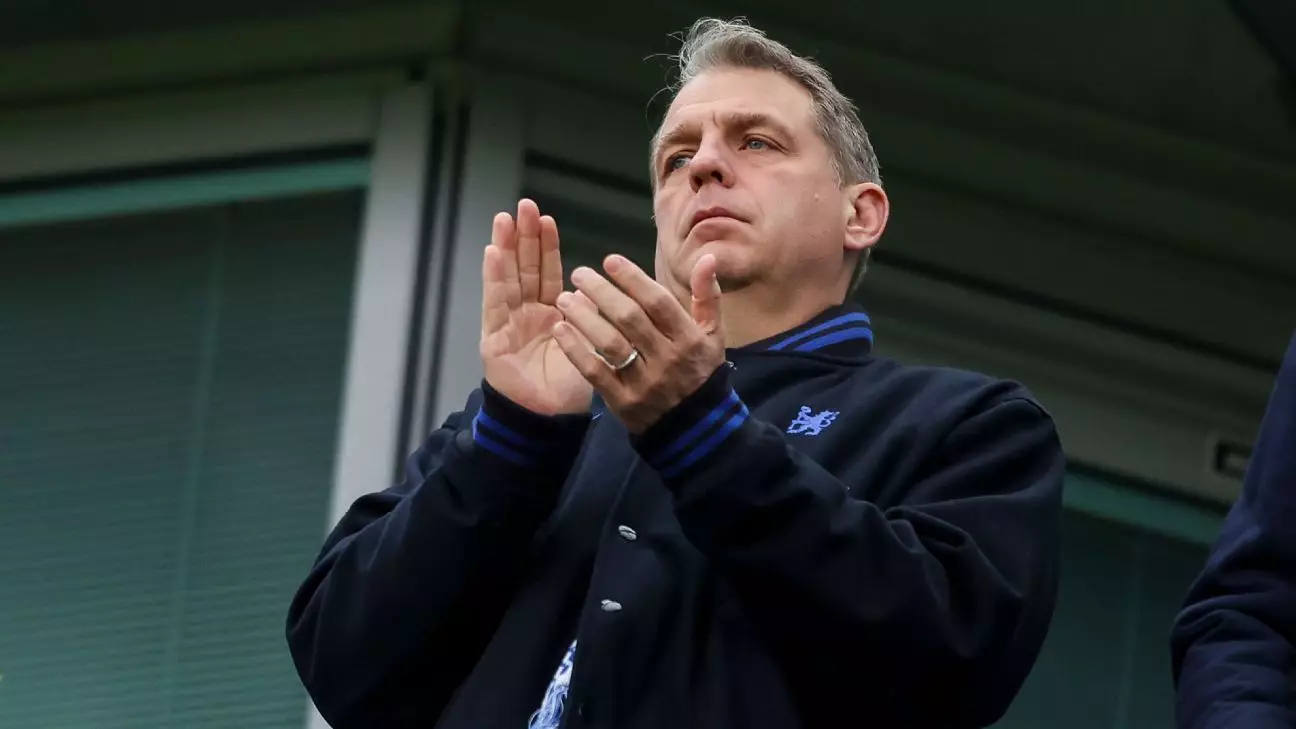
The controversy surrounding ticket resale in English football has reached a boiling point, particularly for Chelsea FC supporters. The predicament has surfaced due to co-owner Todd Boehly’s connections with Vivid Seats, a ticket resale platform that has drawn ire for its exorbitantly priced tickets. Chelsea fans are justifiably concerned that Boehly’s associations may undermine the integrity of ticketing practices within the Premier League. They have formally requested an investigation from the league’s leadership, characterizing the situation as a serious breach of trust.
Conflicted Interests: A Dangerous Precedent
The Chelsea Supporters Trust has articulated their frustrations succinctly. In an open letter to the Premier League’s CEO Richard Masters, they assert that Boehly’s links to Vivid Seats represent a clear conflict of interest. The Trust highlights how Vivid Seats not only violates the club’s own ticketing policies but also flouts the Premier League’s directives to combat ticket scalping. Such practices, particularly in a league that commands global attention and enthusiasm, risk alienating die-hard fans who often struggle with ticket affordability.
Why should a fan in search of an authentic experience be subjected to such predatory pricing? The ticket industry can sometimes act as a double-edged sword, and the dilemma extends beyond Merseyside. This isn’t merely about Chelsea; it is emblematic of broader ethical concerns in the sporting world.
A Skyrocketing Market
Boehly, who is not only a prominent figure at Chelsea but also a co-owner of the Los Angeles Dodgers, operates in spheres where ticket prices can balloon to astonishing heights. For example, a ticket to a home fixture against beleaguered Ipswich Town was being resold for a staggering £990 (about $1,275). These sky-high prices starkly contrast with Chelsea’s official ticket pricing, wherein a top-tier seat costs a maximum of £80 (around $103). This disparity raises an uncomfortable question: are fans being exploited for profit?
Vivid Seats, while boasting an agreement with ESPN as their official ticketing partner, showcases a troubling conflict whereby the premium is placed on financial gain over fan experience. When the primary incentive for ticket sales shifts to profitability, the players and the spirit of the game are compromised.
Challenging the Premier League’s Stance
Warnings issued by the Premier League against unauthorized ticket sellers may seem more like an afterthought than a deterrent. Prominent messages implore fans to reject resale sites to avoid losing entry rights or wasting money. However, the existence of platforms like Vivid Seats indicates a failing system that doesn’t address real concerns about fan exploitation.
The power dynamics at play come too close for comfort. A narrative unfolds where the product of passion and loyalty is manipulated by those in positions of power. Speculation arises about whether the Premier League, as the governing body, will take definitive action or sidestep the moral implications of this entangled affair.
It is essential that fan voices are amplified in this conversation, and that entities like Chelsea FC and the Premier League collaborate to rectify an increasingly alarming trend. Much remains to be seen, but if fans’ concerns are to be taken seriously, drastic changes in ticketing practices are not just desirable—they are imperative.