
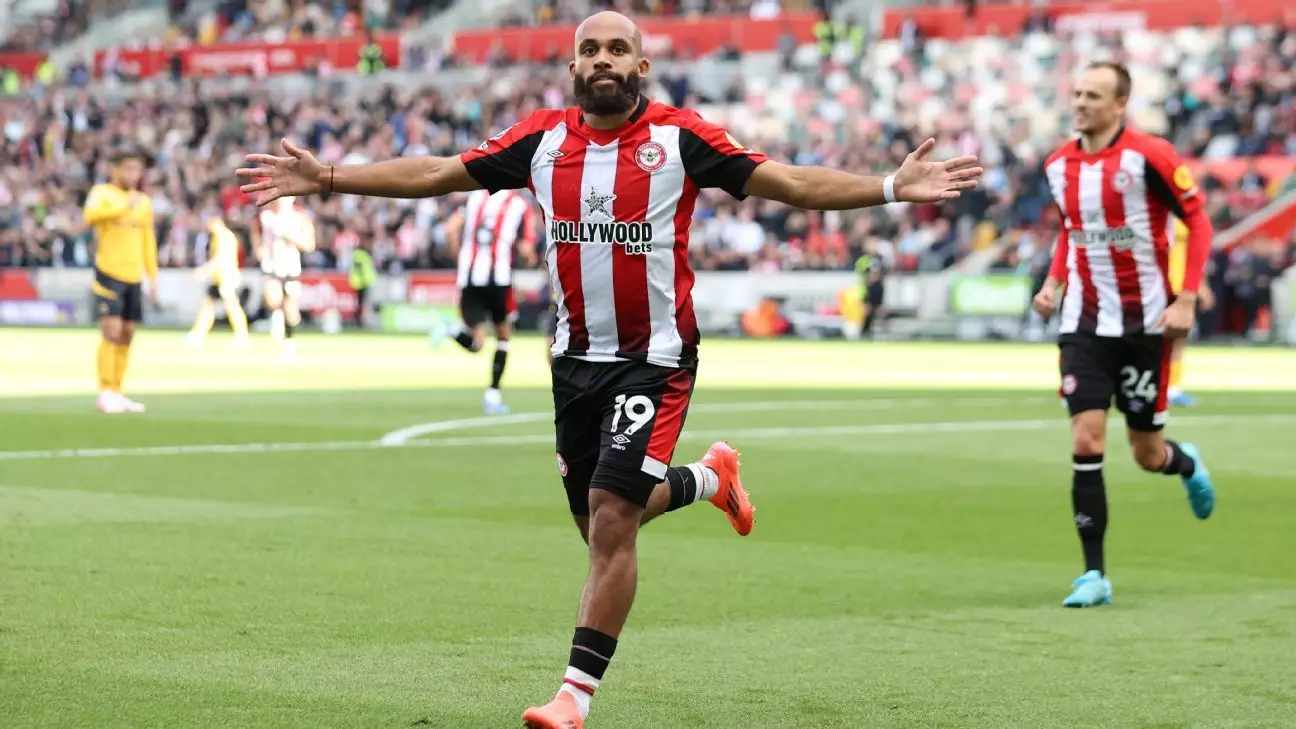
Manchester United’s pursuit of Brentford forward Bryan Mbeumo has become a high-stakes negotiation that reveals much about the club’s transfer strategy and financial discipline. Brentford’s recent rejection of a £62.5 million ($85.7 million) offer—initially thought to be generous—signals how much Mbeumo’s market value has surged following an impressive tally of 20 Premier League goals last season. This highlights the increasing premium placed on proven domestic talent who have demonstrated consistency at the highest level. Brentford’s demand for offers to exceed £65 million underscores their confidence in Mbeumo’s ability and the precedent set by similar transfers in the market.
Manchester United’s Strategic Approach
Despite the apparent setback, Manchester United’s stance in the negotiations reflects a cautious and disciplined approach. Their unwillingness to be “held to ransom” in transfer talks indicates a broader club philosophy that balances ambition with financial prudence. This is particularly notable given recent spending patterns, as seen with the signing of Matheus Cunha from Wolves for £62.5 million. Cunha, slightly older and with fewer goals last season (15 compared to Mbeumo’s 20), serves as an important benchmark in United’s valuation of potential front-line players. The club’s willingness to invest but within reason suggests a focus on sustainable squad building rather than impulsive splurges.
Understanding the Wider Market and Club Ambitions
Critically, Brentford’s pricing strategy reveals the growing influence of “selling clubs” in negotiations, especially those adept at developing talent beyond the historical “Big Six” powerhouses. Brentford, operating without the lure of European competition, have shown how astute talent development and strategic selling can command premium fees. This not only impacts transfer negotiations but reshapes Premier League dynamics by empowering smaller clubs financially. For Manchester United, this negotiation becomes a test of whether they will adapt to a market where competitive clubs can—and will—drive harder bargains.
Mbeumo’s Desire and United’s Confidence
United’s continued confidence that Mbeumo desires a move to Old Trafford adds another layer to the negotiation’s complexity. Player ambition can be a powerful bargaining chip, yet it also places pressure on the buying club to justify their offer financially and competitively. Here, the risk is twofold: overpaying to secure a target based on desire alone, or losing out on a key signing by being too rigid. United’s balance between respecting Brentford’s valuation and maintaining negotiating leverage will be an indicator of their maturity in the transfer market.
A Reflection on Club Priorities and Future Prospects
This ongoing tussle over Mbeumo suggests Manchester United’s transfers will require more than just financial muscle—they demand strategic finesse and patience. Even without European football next season, United’s insistence on discipline in fees and wages suggests they are aiming for a long-term project rather than quick fixes. Yet, the necessity to upgrade their attacking options remains pressing. How they resolve the Mbeumo situation will reveal much about their operational philosophy moving forward in an increasingly competitive environment. The deal’s eventual outcome will shape not only United’s squad but also the broader narrative of transfer market power balances in English football.