

In a landscape saturated with flashy designs and corporate sponsorships, some football clubs choose a different path—one marked by subtle elegance and respectful homage to tradition. Real Madrid’s latest home kit is a masterclass in restrained innovation. While white may seem an unbeatable canvas, Adidas has managed to elevate this iconic color by incorporating delicate textures that only reveal themselves upon close inspection. The design draws inspiration from the Bernabéu stadium’s recent €1.347 billion renovation, aiming to celebrate modern progress while honoring the club’s long-standing legacy. This approach demonstrates that less can indeed be more, especially when the result resonates with fans who appreciate understated sophistication.
Another club embodying this philosophy is Real Sociedad. Their classic blue-and-white vertical striped shirt remains largely unchanged, a testament to the timeless appeal of tradition. Yet, what sets this kit apart is its absence of a sponsor’s logo—a bold move reflecting a desire to reclaim the purity of the game’s aesthetic. By removing commercial clutter, the club emphasizes authenticity and a pure footballing identity. In a market obsessed with brand placement, this stance feels refreshing and aligns with a broader cultural desire for authenticity in sports. It reminds us that kits are not just marketing tools, but also carriers of history and identity.
Celebrating Cultural Narratives Through Design

Football jerseys serve more than a functional purpose; they are canvases for storytelling, cultural homage, and emotional connection. Celta Vigo’s away kit exemplifies this beautifully, drawing inspiration from Galicia’s rugged seafaring heritage. Its design echoes the region’s flag, featuring a diagonal blue stripe coupled with wave motifs that evoke the Atlantic Ocean surrounding Vigo. Such motifs deepen the shirt’s significance, transforming it from mere apparel into a symbol of regional pride. The club’s emphasis on their local roots, coupled with an inclusive campaign involving youth academy players, illustrates how jerseys can serve as rallying symbols for community identity and cultural resilience.
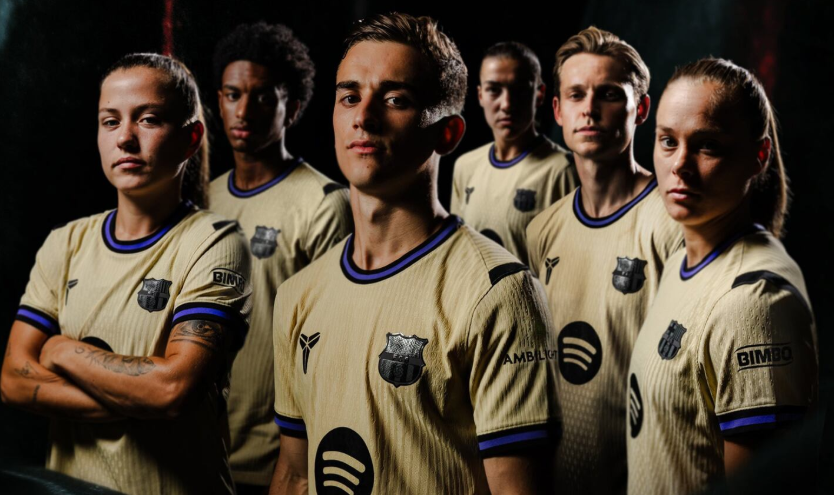
Similarly, Barcelona’s away kit takes a different but equally powerful route by commemorating the late Kobe Bryant. Their homage, built with gold touches and the Kobe Sheath logo replacing the Nike swoosh, bridges the worlds of sport and popular culture. This design reflects the “Mamba Mentality,” inspiring athletes across generations. It’s a statement that jerseys are vessels of memories and ideals—embodying perseverance and excellence beyond the pitch. This emotional storytelling adds depth to sportswear, transforming it into a form of tribute and motivation.
Innovation Through Themes and Elements
Clubs are pushing creative boundaries by infusing kits with themes that resonate on a broader cultural level. Atlético Madrid’s third kit stands out with its lightning bolt accents along the sides—an homage to their passionate connection with rock music and the legendary bands that have performed at their home ground, the Metropolitano. The inclusion of lightning motifs not only offers a striking visual but also encapsulates the club’s fiery spirit and resilience. It’s a design that generators emotional engagement, linking football with cultural icons like AC/DC.
Elche’s away shirt takes a risk with a bold black base accented by irregular green-and-white scribbles. Designed by Nike, it embodies a fusion of modernity and tradition, aiming to create a distinctive aesthetic that evokes Yoruba Nigerian shirts—highlighting how global influences can inspire local identities. The shirt reflects a sense of rebirth for Elche, as they return to LaLiga after a two-year absence, symbolizing a fresh start anchored in cultural richness.
Meanwhile, Levante’s return to top-flight football is marked by a shirt that celebrates a century of history. Its vertical stripes and golden trims pay homage to the club’s old stadium, the Estadio de Vallejo. This design combines historical reverence with modern styling, transforming tradition into a visual celebration of legacy, no matter the league’s outcome.
The Spirit of Local Pride and Future Aspirations
In an era of commercialism, some clubs focus on jerseys as vehicles for local pride and future ambitions. Cádiz’s third kit, with its bold tribute to regional culture, exemplifies this approach. Whenever teams incorporate regional symbols or stories, they forge a stronger emotional link with their supporters, adding layers of meaning that go beyond mere aesthetics.
Real Betis’s dark, textured kit is another example of how club histories influence design. By weaving green into a predominantly black jersey, they pay homage to their roots while embracing a contemporary look. This blend of modern style and historical significance demonstrates that a jersey can be a statement of both identity and resilience.
Ultimately, LaLiga’s 2025-26 kits reflect a pivotal moment in sports fashion. They balance innovation with tradition, cultural storytelling with aesthetic purity, and commercial appeal with emotional resonance. Each club’s choice signals a desire not merely to look good but to tell their own stories, inspire their fans, and honor their histories—proving that in football, style is a language as powerful as the game itself.